
Vandaag of morgen in huis

Kwaliteit gegarandeerd

Welkomstaanbiedingen ontgrendelen: GRATIS bezorging | Tot 80% korting | Gratis 30 dagen JoyPlus-proefperiode
Download de app
Want to buy a peach drink, but unsure whether to choose peach iced tea, peach fizzy drink, peach juice or an Asian variety? The differences are not limited to the packaging. The proportion of fruit juice, sugar content, carbonation, serving size and origin all help determine whether a drink suits your needs.
As a Joybuy Product Recommendation Officer, I filter product information according to practical details. This helps you find an option that suits your household, taste preferences and budget more quickly, without relying solely on terms such as “fruity”, “natural” or “refreshing”.
A drink can have a strong peach flavour while containing only a small amount of peach juice or concentrate. For example, the product information for Arizona Iced Tea Peach states 0.1% peach juice from concentrate. The fruit flavour therefore comes not only from the juice, but also from flavourings.
If you want more fruit in your drink, check the ingredients list and the quantitative information. According to the product information, Huiyuan Peach Juice contains water, peach pulp and concentrated peach juice. Senpure Meco Peach Pomelo Juice Tea Drink lists 15.5% peach concentrate, alongside apple and grapefruit concentrate.
A sugar-free peach drink often contains sweeteners. That does not mean it has no sweet taste. g’woon Ice Tea Peach Zero lists sucralose and acesulfame K, among other ingredients. According to the ingredients list, Pepsi Zero Sugar Peach uses aspartame, acesulfame K and sucralose.
It is therefore worth checking both:
The nutritional information for g’woon Ice Tea Peach Zero is 0 kcal and 0.1 grams of sugar per 100 ml. Fanta Peach Soda, on the other hand, contains 44 kcal and 11 grams of sugar per 100 ml.
A peach drink multipack is convenient for a family, office or party, but compare the price per litre or per can. A box containing 24 small cans also takes up more storage space than a 1.5-litre bottle.
Pay attention to the serving size too. A 330 ml can is easy to serve chilled, while a large bottle is suitable for filling glasses. Once opened, a bottle will usually need to be kept refrigerated and used within the period stated on the packaging.
First decide which type of drink you are looking for:
Always compare the same unit. A single-serving pack may appear to contain few calories, but one can or bottle may contain several servings.
Examples from the available product information:
These are product specifications, not a judgement on what you should drink. The current packaging remains the definitive source, as recipes or labelling may change.
A canned peach drink is convenient to serve by the portion. A bottle is often more practical at home. Pouches are lightweight and easy to take with you, but once opened they should be stored in the fridge according to the product information.
Fans of Korean, Chinese and Japanese drinks may wish to check the origin:
According to the product information, Hata Soda uses white pear juice from concentrate, despite the name “White Peach”. For unusual flavours, always check the ingredients rather than relying solely on the product name.
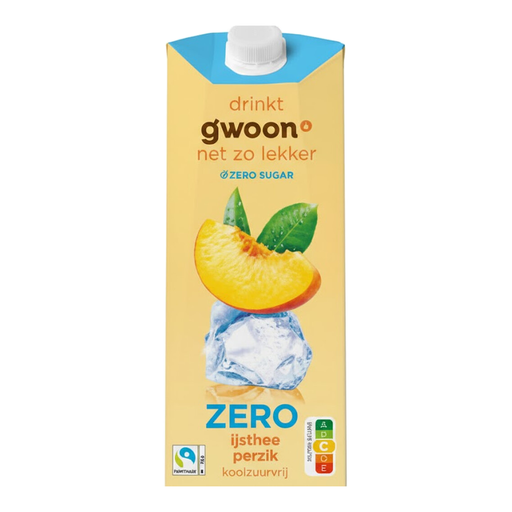
Why This Fits Their Persona: A large bottle is well suited to everyday use at home and means you do not need a separate serving every time you want a drink.
The product information lists 0 kcal and 0.1 grams of sugar per 100 ml. Do check whether you are happy with sweeteners such as sucralose and acesulfame K.
1.5-litre capacity; sugar-free formula according to the product description; suitable for serving chilled.
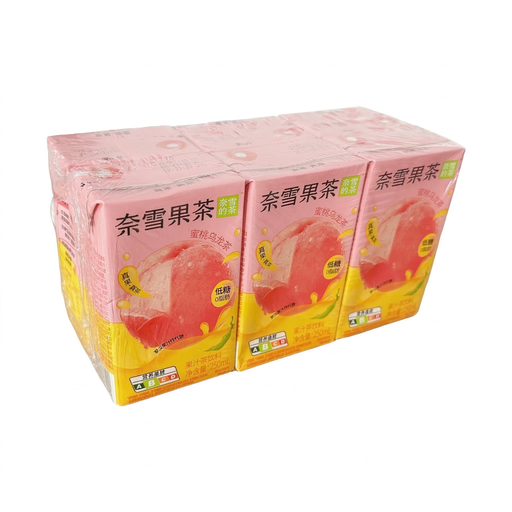
Why This Fits Their Persona: For anyone looking for an Asian peach drink with a clear combination of oolong tea and fruit rather than just carbonation.
The product information specifies Baiya Qilan oolong tea with an addition of at least 4 g/l and at least 10% fruit juice.
6 bottles of 250 ml; 20 kcal and 4.8 grams of sugar per 100 ml; ready to drink chilled.
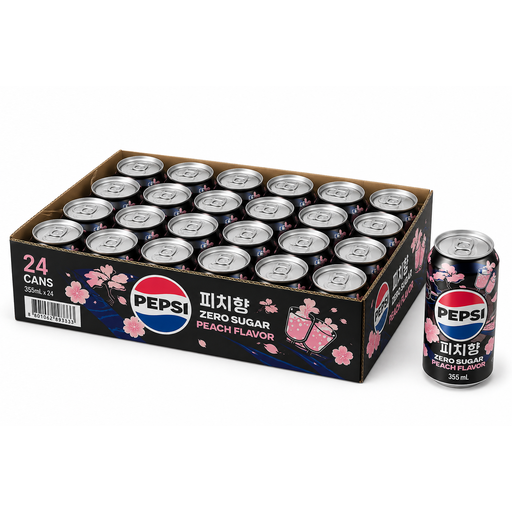
Why This Fits Their Persona: A box of 24 cans is practical for parties, sharing or keeping a regular supply of Korean fizzy drinks.
The nutritional information lists 0 kcal and 0 grams of sugar per 100 ml. However, it remains a cola with sweeteners, not a juice drink.
24 cans of 355 ml; carbonated; Korean origin according to the product description.
We have put together a current selection of peach drinks based on size, packaging, flavour type and nutritional information.
Compare the sugars per 100 ml value. g’woon Ice Tea Peach Zero and Pepsi Zero Sugar Peach list 0.1 and 0 grams of sugar per 100 ml respectively. Also check the sweeteners and the current ingredients list on the packaging.
No. Peach iced tea contains tea extract and often a limited amount of peach concentrate or flavouring. Peach juice generally contains more fruit ingredients and may contain pulp. The ingredients list and stated juice percentage provide the clearest distinction.
Always follow the label. Many products need to be refrigerated after opening and consumed within a few days. For example, the product information for Naïsnow Peach Oolong Tea states that it should be consumed within 24 hours of opening. If the packaging advises it, gently shake drinks containing pulp or fruit ingredients before use.
