
Vandaag of morgen in huis

Kwaliteit gegarandeerd

Welkomstaanbiedingen ontgrendelen: GRATIS bezorging | Tot 80% korting | Gratis 30 dagen JoyPlus-proefperiode
Download de app
Buying a peach drink might seem straightforward – until you have to choose between peach soft drink, peach iced tea, peach soda, peach juice and Korean or Japanese varieties. The packaging might promise a fruity flavour, while the drink itself is mostly water, sugar or sweeteners. There’s also the difference between a single bottle and a peach drink multipack, which affects price, storage and convenience.
As a Joybuy Product Recommendation Officer, I filter the most important product information in a practical way. This means you can compare deals and popular choices based on verifiable data, rather than just eye-catching marketing claims.
Check the ingredients list and the percentage of peach juice. Some drinks contain only a small amount of peach concentrate and rely on flavourings instead. That’s not necessarily a problem, but it does explain why the taste can differ from peach juice or a drink with fruit pulp.
For example:
A sugar-free peach soft drink typically contains sweeteners instead of sugar. Pepsi Peach flavour no sugar lists aspartame, acesulfame-K and sucralose among its ingredients. According to the product information, the nutritional value is 0 kcal and 0 grams of sugar per 100 ml, but the taste experience can be different from a sweetened peach soda.
If you have sensitivities, also pay attention to specific ingredients. The Pepsi variant contains aspartame and states that it includes phenylalanine.
A peach drink deal might look attractive, but compare the price per litre. A 1.5-litre bottle is practical for home, while 250 ml or 330 ml cans are more convenient for on the go. Also check the best-before date, storage space and storage instructions. Once opened, many drinks need to be kept refrigerated and are best consumed quickly.
First, choose the type of drink that suits your needs:
Compare the nutritional value per 100 ml, not just per bottle or can. Some examples from the product information:
A low sugar value doesn’t automatically mean the drink tastes the same as a sweetened version. So read the ingredients list too, and choose based on your own preference.
The packaging determines where and how you use the drink:
A pouch is light and easy to take with you, but an opened pack usually needs to be kept refrigerated. With bottles and cans, it’s important to check the seal and packaging before consumption.
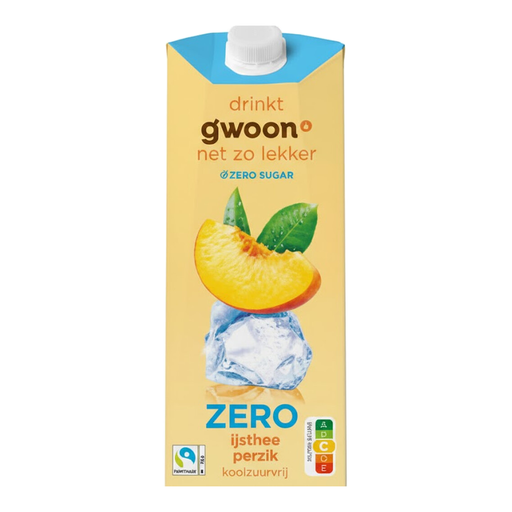
Why this fits the profile: The 1.5-litre bottle is ideal for keeping chilled at home and serving by the glass. According to the product information, the zero variant contains 0 kcal and 0.1 g sugar per 100 ml.
The nutritional value and ingredients are clearly stated. This makes it easy to distinguish the zero variant from a sweetened peach iced tea.
1.5 litre volume; 0 kcal per 100 ml according to product data; suitable for daily use at home.
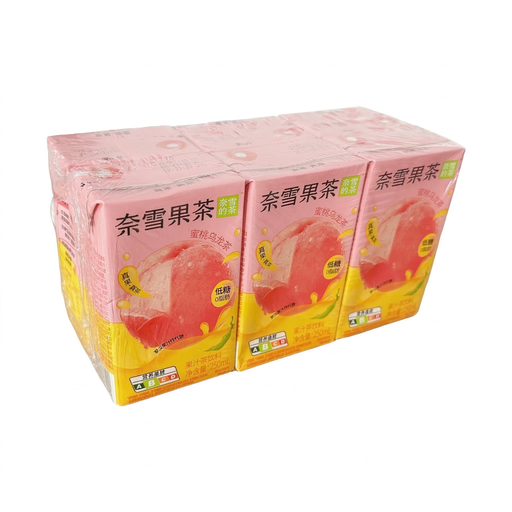
Why this fits the profile: This Chinese peach iced tea combines oolong tea with concentrated peach and apple juice. The pack contains 6 bottles of 250 ml.
The product information states the juice content of at least 10% and the amount of oolong tea. So you know exactly which flavour components you’re buying.
6 x 250 ml; oolong tea; 4.8 g sugar per 100 ml according to the product information.
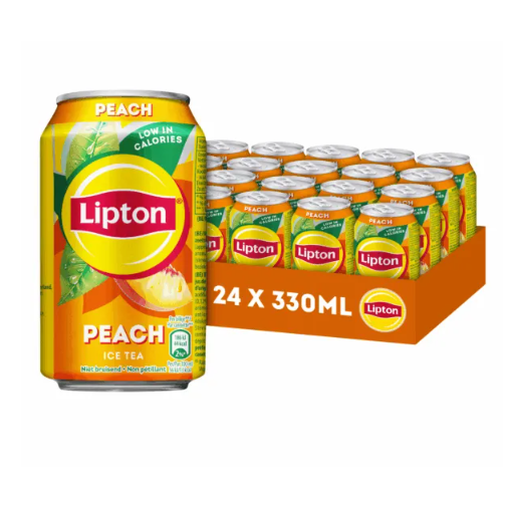
Why this fits the profile: A case of 24 cans of 330 ml is handy for stocking up, visitors, workplaces or occasions where individual portions are preferred.
The fixed volume per can makes comparing per 100 ml straightforward. You don’t need to store a large bottle after opening.
24 individual cans; 330 ml each; 3 g sugar and 13 kcal per 100 ml according to product data.
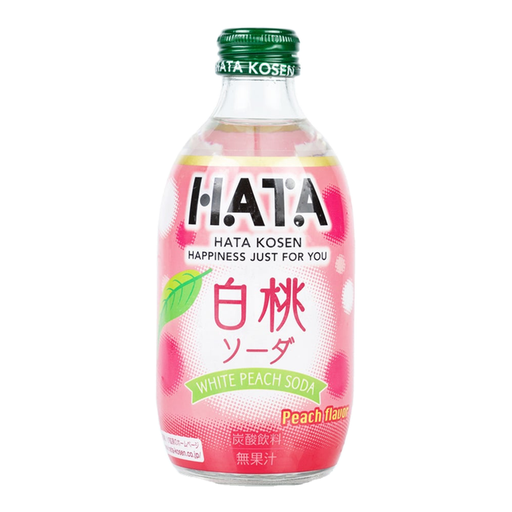
Why this fits the profile: This Japanese peach drink is carbonated and comes in a 300 ml bottle. The product description mentions a sweet, fruity and lightly fizzy taste.
The ingredients list makes it clear that white pear juice from concentrate is used. This prevents confusion between white peach and pear.
300 ml bottle; carbonated; approximately 9.5 g sugar per 100 ml according to the product information.
We’ve put together a full, up-to-date list of products that fully meet these strict selection criteria and comply with current European safety regulations.
That depends on the variant. g’woon Ice Tea Peach Zero states 0.1 g sugar per 100 ml. Pepsi Peach flavour no sugar states 0 g sugar per 100 ml. Always check the label, as recipes and packaging can change.
Usually not. Products like Fuze Tea and Lipton Ice Tea Peach are still (non-carbonated) iced tea varieties. Hata Soda White Peach and Fanta Peach are fizzy. Look at the product category and ingredients list before you order.
A multipack can offer a lower price per can or litre, but that’s not guaranteed. Compare the total price, volume per pack and any delivery charges. A case of 24 cans is especially practical if you use the drink regularly or buy it for several people.
