
Vandaag of morgen in huis

Kwaliteit gegarandeerd

Welkomstaanbiedingen ontgrendelen: GRATIS bezorging | Tot 80% korting | Gratis 30 dagen JoyPlus-proefperiode
Download de app
A peach drink might seem simple to pick, but the range on offer varies enormously. One bottle is a light soft drink with hardly any calories, while another variety contains lots of fruit pulp, sugar or nata de coco. Terms like peach juice, peach nectar and peach iced tea also don't automatically tell you how much peach is actually in there.
If you only look at the front of the packaging, you could end up paying for a flavour experience that doesn't match your expectations. With these practical checks, you can compare peach fruit drinks, Asian soft drinks and multipacks clearly.
A product can taste strongly of peach while containing only a small percentage of peach juice or peach concentrate. Always check the ingredients list and any quantitative declaration. For example, DubbelFrisss Apple Peach states 1.0% apple and 1.0% peach juice from concentrate. This is a drink made from water, juice, sweetener and carbon dioxide, not concentrated peach juice.
A sugar-free peach drink can contain sweeteners. According to the product information, the DubbelFrisss variety contains sucralose and provides 1 kcal per 100 ml. That's different from a drink with no sweet taste or no sweeteners at all. So look at both carbohydrates, of which sugars, and the ingredients.
Even a low-calorie peach drink can still contain sugar. For instance, Hao Wang Shui Blossom & Peach states 31 kcal and 7.5 grams of sugar per 100 ml. You should always check the "light" label against the nutritional information table.
A peach drink multipack is handy for a party, family or the store cupboard, but check the portion size. 24 cans of 340 ml together make over 8 litres of drink. That's great for sharing, but less suitable if you want to try a flavour first. For on-the-go use, a pouch of 190 or 230 ml, a 340 ml can or a 400 ml bottle can be more practical.
Choose the packaging based on when you'll be drinking it:
After opening, pay attention to the storage instructions. Many products need to be kept refrigerated and used within the period stated on the packaging. For fruit drinks with pulp, shaking is often needed to distribute the contents evenly.
Always compare nutritional values per 100 ml. This stops a large pack from looking more favourable than a small can. As a guide:
If you're watching your sugar intake, don't just go by the name "juice" or "iced tea". A peach iced tea might seem lighter than a fruit drink, but it can still contain added sugar.
Texture plays a big part in the drinking experience:
With imported products, pay extra attention to the current packaging. The seller notes that packaging information may differ from the online product information. So check ingredients, allergens, shelf life and storage advice before consuming.
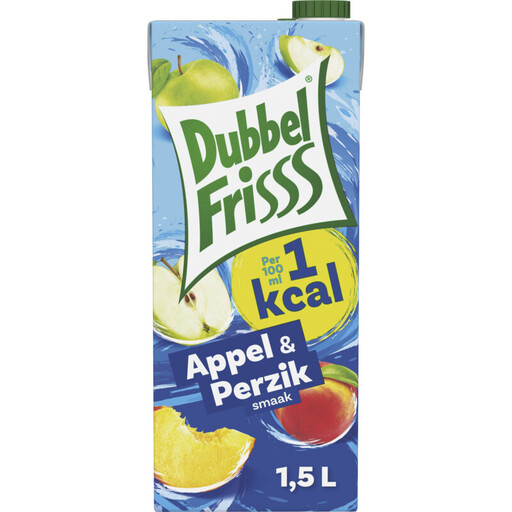
Why this fits the profile: A large bottle for home, with an apple-peach drink flavour and 1 kcal per 100 ml according to the product information.
The nutritional information and ingredients are clearly stated; the drink is not presented as pure peach juice.
1.5 litre volume; 1 kcal per 100 ml; none of the 14 main EU allergens listed.
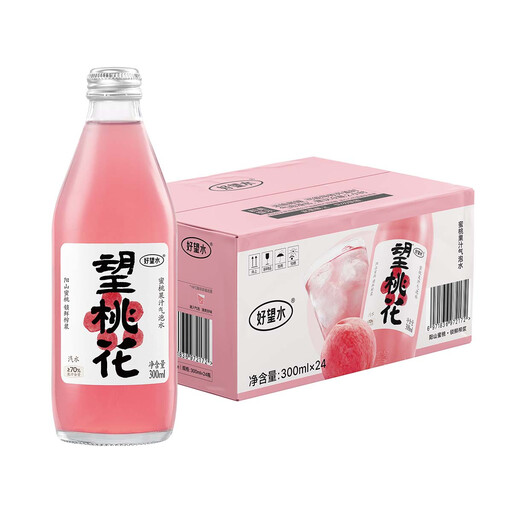
Why this fits the profile: For those who want to serve an Asian soft drink with fizz, fruit juice and a floral flavour alongside meals.
The product states specific juice percentages: 8.7% peach juice, 5.5% apple concentrate and 5.2% pear concentrate.
24 bottles of 300 ml; lightly sparkling; 31 kcal per 100 ml according to the product information.
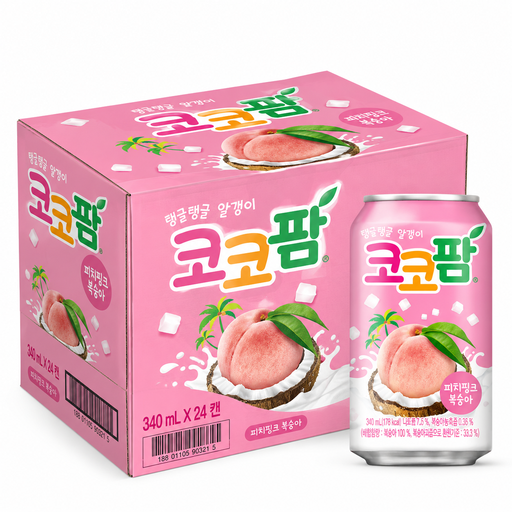
Why this fits the profile: A Korean peach drink for parties, stocking up or fans of a sweet drink with pieces of nata de coco.
The packaging clearly states 24 cans of 340 ml. So you know exactly how much drink you're getting.
Nata de coco; 340 ml can size; nutritional information stated per can and per serving.
We've put together a full, up-to-date list of products that fully meet these strict selection criteria and comply with current European safety regulations.
Peach juice usually refers to a drink that contains fruit juice, juice concentrate or pulp as a key ingredient. Peach drink is a broader term and can also consist mainly of water, flavouring, sweetener or carbonation. So always check the percentage of peach juice or pulp in the ingredients list.
That depends on the portion and the ingredients. DubbelFrisss Apple Peach states 1 kcal per 100 ml. Hao Wang Shui states 31 kcal per 100 ml. Also compare the amount of sugar and look out for the presence of sweeteners. A product with fewer calories isn't automatically sugar-free.
Follow the label on the specific product. In many cases, an opened bottle or pack needs to be kept refrigerated and consumed within a few days. Shake drinks with pulp gently before use and always check the best-before date and the advice on the packaging.
