Choose based on how many VMs will be running at the same time. Take account of their memory and storage needs, as well as the space required by the host. A compact PC is a good fit if desk space is limited, provided the configuration you choose is up to the job. A tower is a more practical choice if you expect to need more memory or storage later on. Check noise levels under a workload similar to yours: a compact case alone is no guarantee that a PC will be quiet.
Who is this guide for?
Users running multiple VMs
If you run several virtual machines at once, consider the memory and storage required by both the VMs and the host. Microsoft Learn explains that consolidating workloads on Hyper-V can require additional memory and I/O bandwidth.
Shared workspace managers
If you need a PC that fits into a busy workspace and want to restrict access to data appropriately, both physical placement and access management matter. The Dutch Data Protection Authority stresses that organisations must protect personal data properly and prevent unauthorised access.
Buyers planning to expand later
If you’re starting with a defined VM workload but expect it to grow, compare the installed memory and storage with the expansion options available for the exact configuration. A model’s maximum capacity doesn’t tell you how much memory a particular version comes with.
What should you look for when choosing?
| What to consider |
What should you check? |
Who is this most relevant to? |
| Memory for running multiple VMs |
Add up the memory allocated to active VMs, leave some capacity for the host, and check the installed RAM and available memory slots on the exact configuration. |
If I run several VMs at once, I want to avoid the host and guests competing for memory. Around 33% of consumers put having enough memory for multiple VMs running at once first. |
| Placement and noise |
Measure the available space and check the mounting options. Ask for noise information under a workload similar to yours. |
At a shared desk, I want to know where the PC can go and whether its noise might disturb colleagues. Around 27% of consumers prioritise placement and potentially disruptive noise. |
| Hypervisor and access |
Check the requirements of your chosen hypervisor and Windows edition; also decide which users need access to VMs and data. |
If I want to use a particular hypervisor or manage VMs containing personal data, the host needs to be suitable and access must be managed appropriately. Around 20% of consumers prioritise compatibility and restricted access. |
| Storage and expandability |
Work out how much space you need for VM disks and files, then compare it with the supplied SSD capacity and available expansion options. |
If I expect to use more VMs or larger virtual disks, I want to know whether I can expand the storage later. Around 20% of consumers make future storage and expansion their top priority. |
What to look out for when buying
-
Confusing maximum RAM with the memory included
A stated maximum doesn’t tell you how much memory comes as standard with the version on offer. This can make all the difference when deciding whether a configuration can handle VMs running at the same time.
Before ordering, check the exact version, installed RAM, occupied slots and upgrade terms.
Depending on the agreement and how you use the software, you may need additional licence rights.
Brands to consider
HP
The HP Z2 Tower G1i configuration reviewed is a tower with Windows 11 Pro, 32 GB RAM and a 1 TB SSD.
- HP lists three years of on-site support for this version.
- These configuration specifications don’t show how the desktop performs or sounds under a VM workload; other versions may differ.
Lenovo
The ThinkCentre M70q Gen 5 Tiny is designed for a compact workspace, while the ThinkStation P3 Tower is a tower option with expansion potential.
- Lenovo describes placement options for the Tiny and open PCIe slots for the P3 Tower.
- M70q Gen 5 Tiny versions vary in processor, memory and storage; check the configuration you’re considering.
ASUS
The ExpertCenter D701SER is an SFF office PC for those looking for a more compact case and specified memory slots.
- ASUS lists four DDR5 slots and support for up to 128 GB RAM for this model.
- The maximum memory capacity doesn’t confirm how much RAM is installed in a specific version on offer; the model is available with several processor options.
Dell
The Dell Pro Max Tower T2 is a configurable tower option.
- Dell describes a range of processor, operating system and power supply options.
- Changes to your chosen configuration may also affect other specifications. Compare the full configuration, and check noise levels under a VM workload separately.
Compact desktops at Joybuy
This selection focuses on compact desktops for running VMs in workspaces where space may be limited. Compare the memory and storage of each version with the VMs you need to run at the same time.
 No image available
SOYO M5 Mini PC, AMD Ryzen 4300U, Windows 11 Pro
The Mini PC form factor suits a workspace where room is limited; compare its memory with the needs of the host and the VMs running at the same time.
The stated configuration has 16 GB LPDDR4 memory and a 512 GB SSD.
View at Joybuy
 No image available
FIREBAT A8 Mini PC, AMD Ryzen AI 9 365
This Mini PC has 24 GB RAM and a 1 TB SSD; check that the capacity suits the host and the VMs you’ll be using at the same time.
The title lists 24 GB DDR5 memory and a 1 TB PCIe 4.0 SSD.
View at Joybuy
 No image available
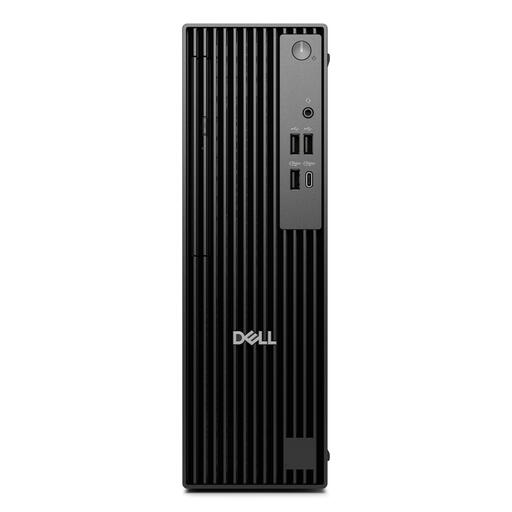
Dell Pro QCS1250 Slim PC, Intel Core Ultra 5 235
The Slim PC form factor may be useful if space is limited; check that the memory and storage can handle your VM workload.
The listed configuration has 16 GB DDR5 memory, a 512 GB SSD and Windows 11 Pro. The product description says the charger must be bought separately.
View at Joybuy
 No image available
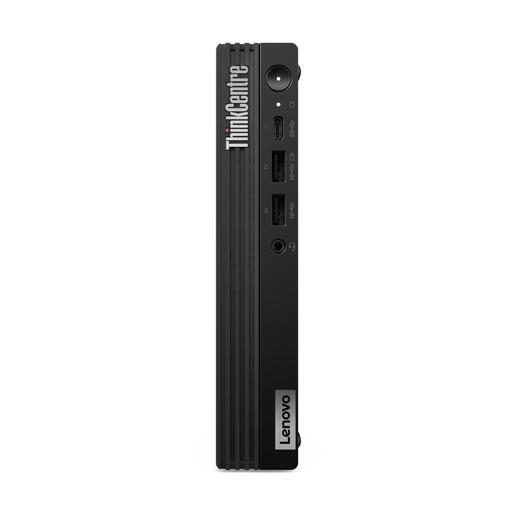
Lenovo ThinkCentre M70q Gen 5, Intel Core i7-14700T
This Mini PC is a compact option; compare its supplied memory and storage with the number of VMs you’ll be running at the same time.
The listed configuration has 16 GB DDR5-SDRAM, a 512 GB SSD and Windows 11 Pro. The product description says the power adapter is bought separately.
View at Joybuy
 No image available
MSI CUBI NUC AI 1UMG-005EU, Intel Core Ultra 7 155H
This Mini PC has a 1 TB SSD; consider its capacity alongside the memory and the space your VM disks need.
The listed configuration has 16 GB DDR5 memory, a 1 TB SSD and Windows 11 Pro.
View at Joybuy
Frequently asked questions
Can I enable Hyper-V on any desktop running Windows 11?
No. Microsoft lists Windows 11 Professional and Enterprise as editions on which Hyper-V can be enabled. The host also needs, among other things, a 64-bit processor with SLAT. Check the other requirements for the configuration you’ve chosen too.
How do I work out how much RAM my VMs need?
Add together the memory needed by the VMs running at the same time, and leave some capacity for the host and its applications. Compare this with the installed RAM in the exact version; a model’s maximum capacity, such as the 128 GB listed by ASUS for the ExpertCenter D701SER, doesn’t tell you how much memory a unit comes with as standard.
Are Windows guests automatically covered by the desktop licence?
Don’t assume they are. Microsoft says virtualisation rights depend on the licence, licensing programme and method. Its guidance on commercial Windows 11 virtualisation states that an OEM licence generally doesn’t include virtualisation rights, although there are exceptions. Check your own agreement and intended use.
What should I check for a PC on a shared desk?
Measure the available space and check where the PC can be placed or mounted. Lenovo lists placement behind a monitor or under a desk for the ThinkCentre M70q Gen 5 Tiny; also check whether the required mounting parts are included with the version you’ve chosen. Ask for noise information relevant to your use.
What access controls matter if VMs contain personal data?
Organisations processing personal data must protect it appropriately and prevent unauthorised access. The Dutch Data Protection Authority stresses that suitable measures depend on the processing and the risks; a particular desktop model or the use of VMs won’t take care of this automatically.


