
Vandaag of morgen in huis

Kwaliteit gegarandeerd

Welkomstaanbiedingen ontgrendelen: GRATIS bezorging | Tot 80% korting | Gratis 30 dagen JoyPlus-proefperiode
Download de app
A jar of pasta sauce might seem simple to choose, but the differences are often in the details. An Italian pasta sauce can contain a lot of tomato, while another variety relies mainly on tomato concentrate, sugar, salt or thickeners. Terms like “traditional”, “natural” and “no artificial additives” don’t automatically tell you anything about taste, nutritional value or suitability for your diet.
When buying pasta sauce, watch out for three common pitfalls:
Ingredients are listed in descending order of quantity. With a classic tomato sauce, you usually want to see tomato, tomato pulp or tomato concentrate near the top. A recipe with basil, onion, garlic and olive oil gives a different flavour to a sauce with cream, cheese or meat.
Examples:
Also look out for terms like “no added sugars”. That doesn’t mean the sauce is sugar-free; tomatoes naturally contain sugars.
Compare brands using the same quantity. Pay particular attention to salt, sugar, fat and energy. A sauce with cheese or oil can contain more fat and energy than a simple tomato sauce. A concentrated or spicy tomato base, on the other hand, can be relatively high in salt.
The nutritional values of products can change per pack or recipe. Always use the current label as your reference. Claims such as “Nutri-Score A” or “naturally low in sugar” are product information from the brand and are no guarantee that the sauce is suitable for every meal or lifestyle.
For a vegan pasta sauce, you need to check that it contains no milk, cheese, meat or other animal ingredients. With a gluten-free pasta sauce, look not only at the front of the pack but also at the allergen declaration and any warning about cross-contamination.
A sauce may appear suitable for vegan or gluten-free use, while the product information elsewhere says something different. If the information is contradictory, it’s wise to check the packaging or consult the manufacturer. This also applies to families with young children. Baby meals are not ordinary pasta sauces: pay attention to the recommended age, texture, allergens and storage time after opening.
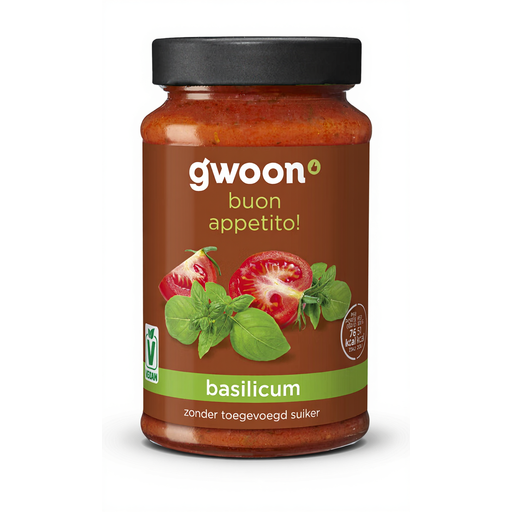
Why this fits the profile: The 490g jar is practical for a family meal, and the combination of tomato, basil, onion, garlic and herbs requires little extra preparation.
The ingredients list is straightforward. Before buying, do check the current label and allergen information again.
Smooth texture, basil flavour and a size suitable for multiple portions. According to the product information, it is suitable for vegetarians and a gluten-free diet.
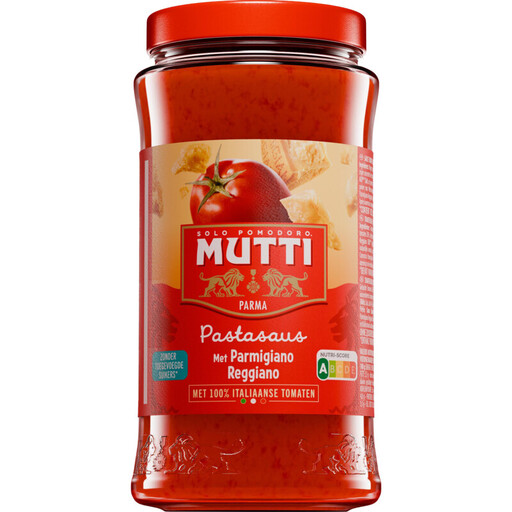
Why this fits the profile: This sauce suits those who value a cheesy, savoury flavour and a smaller 400g portion.
The proportion of Parmigiano Reggiano is stated as 4%. This makes it clear that cheese is part of the recipe, but not the entire base.
According to the product information, it is made in Italy, with 4% Parmigiano Reggiano. Contains milk and is therefore not suitable for a vegan diet.
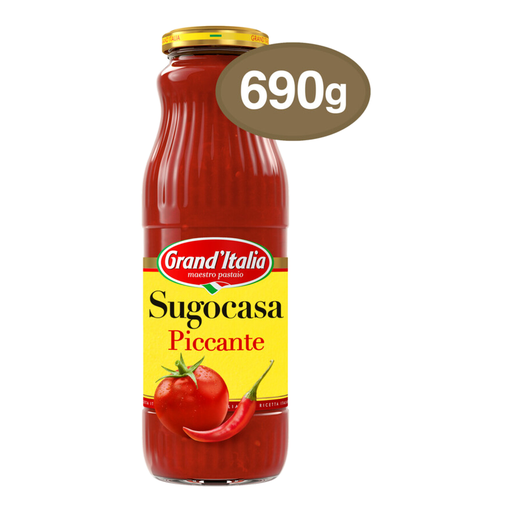
Why this fits the profile: The large pack is handy for families, meal preppers or anyone who regularly uses a spicy tomato base for pasta, pizza or oven dishes.
The spiciness comes from bell pepper and 0.35% chilli pepper, according to the ingredients list. This gives more certainty than just the term “piccante”.
690g, with tomato, bell pepper and chilli. The product information describes this variety as vegan and gluten-free, but elsewhere mentions gluten-containing grains; therefore, check the label.
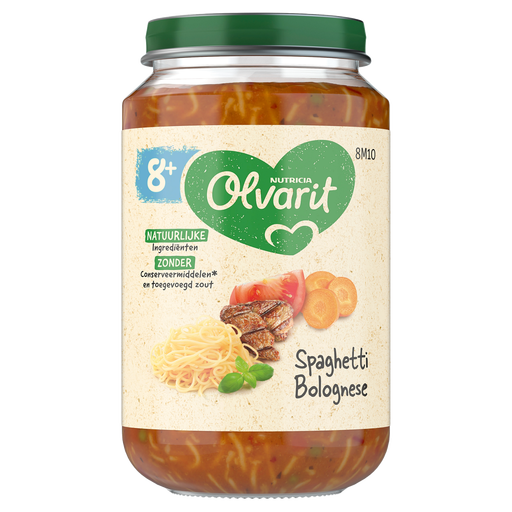
Why this fits the profile: This meal is intended for babies from 8 months old and has an adapted texture. This makes it a separate choice alongside regular ready-made pasta sauce.
The age indication, ingredients and allergens are specifically stated. The product contains wheat and egg and may contain traces of mustard.
200g portion and suitable from 8 months according to the product information. Once opened, keep refrigerated and use within 48 hours.
We’ve put together a full, up-to-date list of products that fully meet these strict selection criteria and comply with current European safety regulations.
Choose a sauce without meat, fish, cheese, milk or other animal ingredients. Also check the allergen declaration and any warning on the packaging. A tomato sauce with basil or a simple traditional sauce can be suitable, but the current product packaging remains the deciding factor.
This varies from product to product. Store an opened jar or pack according to the manufacturer’s instructions, usually refrigerated and well sealed. Follow the stated period after opening and discard the sauce if there is an unusual smell, colour, taste or damaged packaging.
No. Tomato sauce is usually a vegetarian base of tomato and herbs. Bolognese sauce often contains mince and vegetables such as onion, carrot and celery. Therefore, check the ingredients if you eat vegetarian food, have an allergy or are looking for a sauce for children.
