
Vandaag of morgen in huis

Kwaliteit gegarandeerd

Welkomstaanbiedingen ontgrendelen: GRATIS bezorging | Tot 80% korting | Gratis 30 dagen JoyPlus-proefperiode
Download de app
A jar of pasta sauce or a pot of curry paste might seem simple to choose. Yet products vary widely in ingredients, portion size, allergens and ease of use. An Italian pasta sauce for spaghetti calls for different qualities than a Thai curry paste for a meal with coconut milk and vegetables.
What’s more, the packaging doesn’t always tell the full story. So don’t just look out for words like “traditional”, “natural” or “authentic” – focus instead on the ingredients list, nutritional values and cooking instructions.
“Rich flavour” or “like in Italy” are subjective descriptions. It’s better to check how much tomato, basil, meat or spices the product actually contains. For example, Mutti Tomato Pasta Sauce With Basil lists 60% tomato pulp, 21% sieved passata and 10.2% tomato concentrate. That tells you far more about the sauce’s base than any generic marketing term.
When choosing a Thai curry paste, it’s more useful to look at the first ingredients. Are chilli, lemongrass, garlic or galangal near the top of the list? Then you’ll have a clearer idea of the flavour profile you can expect.
A 400 g jar might seem good value, but it isn’t automatically right for a household that only makes curry occasionally. Curry paste is concentrated and you often only need a few tablespoons. For a large family or meal prep, a 400 g size can be very practical.
After opening, pay attention to the storage instructions and the best-before information on the packaging. Seal the jar properly and always use the label as your guide.
Pasta sauces and curry pastes can contain milk, egg, celery, soya, peanuts, nuts, mustard, gluten or shellfish, among other things. A vegan label doesn’t automatically mean the product is free from soya, peanuts or sesame.
Examples:
For a simple tomato sauce, the tomato percentage, the amount of oil and the herbs are key points to check. G’woon Pasta Sauce Traditional, for example, lists 79% tomato and 9% tomato purée. The sauce is ready to use and, according to the product information, contains no added sugars.
A bolognese sauce also contains meat and vegetables. Grand'Italia Bolognese Sauce lists 17% beef, tomato, onion, carrot and celery. G’woon Pasta Sauce Bolognese contains minced meat, and the product information mentions beef and/or pork. If you’re vegetarian or vegan, it’s better to choose a tomato sauce or specifically look for a plant-based alternative.
With pesto, the oil, cheese and nuts are decisive. G’woon Pesto Alla Genovese contains basil, oil, cheese, cashew nuts and pine nuts. Bio+ Red Pesto includes sun-dried tomato, cashew nuts, milk and soya, among other ingredients.
A ready-to-use sauce usually just needs heating through. That suits busy weekdays and families. A curry paste often needs to be briefly fried first and then mixed with coconut milk, vegetables, tofu, meat or fish.
Also consider the type of curry:
The heat level depends on the quantity, brand and preparation. So start with less paste and add more later.
Compare nutritional values per 100 g, not just per jar. Salt, sugar and fat in particular can vary a great deal. Sunlee Thai Panang Curry Paste, for example, lists 11 g of salt per 100 g; Cock Brand Thai Green Curry Paste lists 14.1 g. That doesn’t mean you’ll consume this much in a whole meal, but it helps you plan the overall composition of your dish.
Also look at the net weight. A jar of pasta sauce weighing around 470 to 490 g is practical for several portions, while pesto is often sold in jars of 140 to 190 g and used as a flavour enhancer.
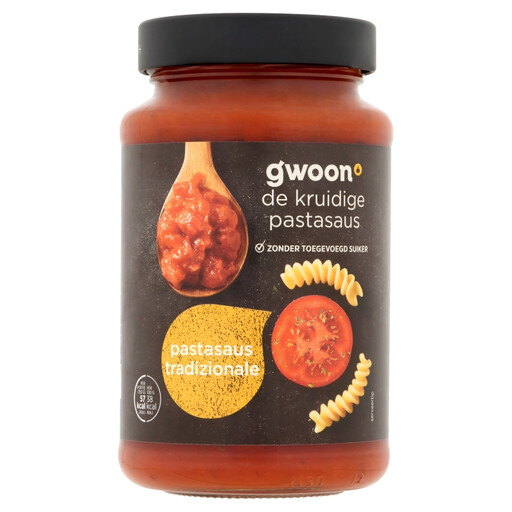
Why it fits this profile: A ready-to-use tomato sauce for anyone who wants to make spaghetti, penne or lasagne without complicated preparation.
The ingredients list states 79% tomato and 9% tomato purée. This means you can check the tomato content rather than relying solely on flavour claims.
490 g, ready to use and, according to the product information, with no added sugars. The product lists none of the 14 major EU allergens.
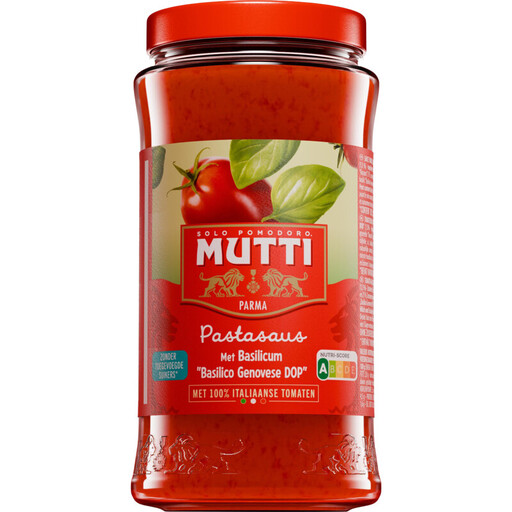
Why it fits this profile: For anyone looking for an Italian pasta sauce with a clearly specified tomato and basil base.
The product information gives specific percentages for tomato pulp, passata, concentrate and basil. This makes comparison much easier.
According to the label, the sauce contains 1.5% basil and is free from gluten, milk and egg, as per the product information.
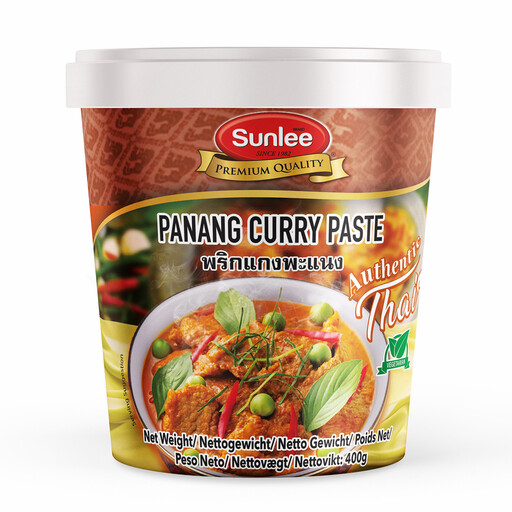
Why it fits this profile: A generous jar for home cooks who regularly make curries, stir-fries, soups or marinades.
The ingredients and allergens are clearly stated. The product contains soya and may, according to the information, contain peanuts and sesame; check this before use.
400 g, vegan according to the product information and suitable for multiple cooking methods. The base includes chilli, lemongrass, galangal and lime, among other ingredients.
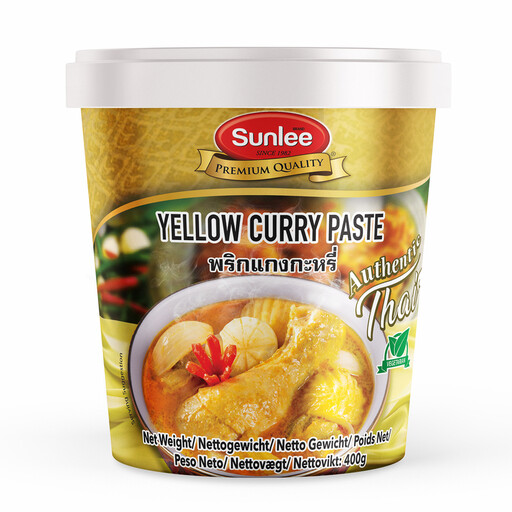
Why it fits this profile: For anyone who wants to make a plant-based curry with coconut milk, vegetables, tofu or another meat alternative.
The product description states vegan and gluten-free, but also soya, peanuts, sesame and nuts. This makes it important not to overlook allergens.
400 g, suitable for vegan preparations and based on turmeric, lemongrass, garlic, shallot and spices, among other ingredients.
We’ve put together a full, up-to-date list of products that fully meet these strict selection criteria and comply with current European safety regulations.
Heat the sauce in a pan and mix it with cooked pasta. You can add vegetables, beans, minced meat or cheese if you like. When in doubt, follow the cooking instructions on the label.
That varies by brand and recipe. Koh Thai, for example, recommends an average of two tablespoons for two people. Start with a smaller amount, fry the paste briefly and then add coconut milk and the remaining ingredients. This way you can control the heat more easily.
That depends on the product. Store an opened jar according to the label, seal it properly and pay attention to the recommended period after opening. Do not use any product whose packaging is damaged or whose smell, colour and texture have clearly changed.
