
Vandaag of morgen in huis

Kwaliteit gegarandeerd

Welkomstaanbiedingen ontgrendelen: GRATIS bezorging | Tot 80% korting | Gratis 30 dagen JoyPlus-proefperiode
Download de app
A good pasta sauce can elevate a weeknight meal into a small feast. But the supermarket aisle is packed with jars, all promising the most delicious and authentic experience. It's easy to get lost in the marketing buzz and come home with a sauce that completely misses the mark.
As a Product Recommendation Officer at Joybuy, I see the challenges consumers face every day. Before you make a choice, it's wise to be aware of a few common pitfalls:
To avoid a bad purchase, it helps to know what to look for. By checking three simple specifications, you can make a much better choice.
The texture and flavour of your sauce are determined by its base. The ingredients list tells you exactly what's inside:
A short, clear ingredients list is often a sign of quality. Pay special attention to:
Consider what you will be using the sauce for.
To help you get started, we've highlighted a few popular choices that suit different needs and cooking styles.
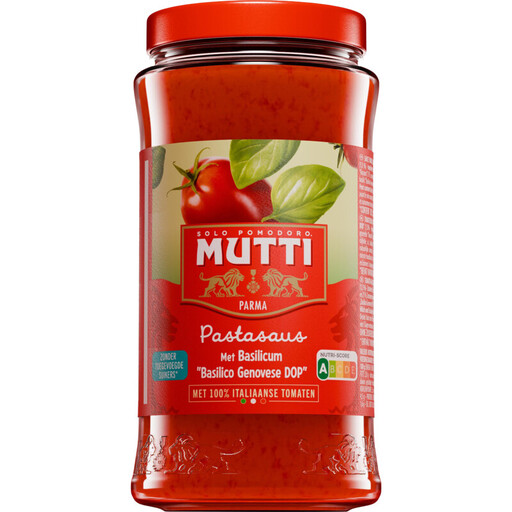
Why This Fits Their Persona: Perfect for those who are short on time but don't want to compromise on flavour. This sauce is ready to use and has a pure, classic taste that complements many dishes.
This sauce avoids the pitfall of vague 'Italian' labels by naming specific, high-quality ingredients, such as 1.5% 'Basilico Genovese BOB'. It contains only naturally occurring sugars.
Ready to use, made from 100% Italian tomatoes, and has a Nutri-Score A. The base of tomato pulp (60%) ensures a good texture.
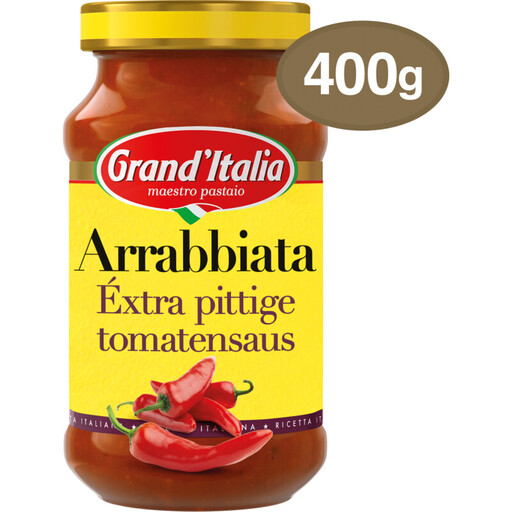
Why This Fits Their Persona: For those who love a dish with a kick. This sauce is specially made for the classic 'angry' pasta and delivers the spicy flavour you expect, without you having to handle chillies yourself.
This product bypasses the 'one-size-fits-all' trap. It's not a generic tomato sauce, but a specific arrabbiata sauce. The ingredients list confirms the presence of 1.0% chilli, which provides the characteristic heat.
A ready-made spicy sauce made with sun-ripened tomatoes and chilli pepper. Suitable for a gluten-free diet.
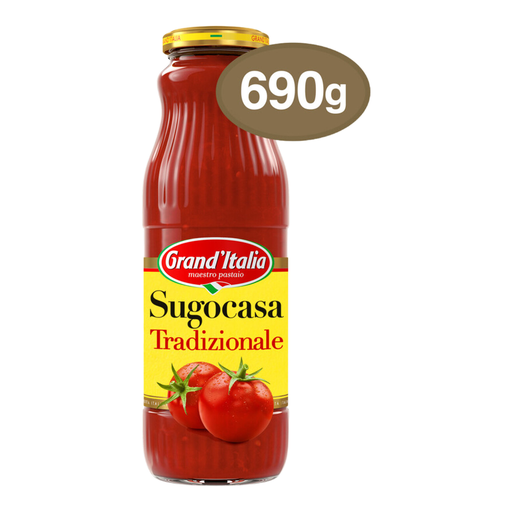
Why This Fits Their Persona: For the home cook who likes to be in control. This isn't a finished sauce, but a pure tomato base (passata-style) that you can season and enrich to your own taste.
This sauce avoids the pitfall of hidden sugars and fillers. The ingredients list is short and honest: tomato, tomato concentrate, salt, onion, and lemon juice. You know exactly what you're getting and are in full control.
A 100% natural base, fat-free, and naturally low in sugar. According to the brand, it's made from 20 fresh tomatoes per bottle. Suitable for a vegan diet.
We have compiled a complete, up-to-date list of products that fully meet these strict selection criteria and local regulations.
Pasta sauce is usually a ready-to-eat product, flavoured with herbs and other ingredients. Passata is a smooth, sieved tomato base without additives, ideal for making your own sauce. Tomato purée is highly concentrated and reduced tomato, intended to give dishes a deep, intense tomato flavour.
An opened jar of pasta sauce can generally be kept in the refrigerator for 3 to 5 days. Make sure the jar is sealed tightly. Always use a clean spoon to take sauce from the jar to extend its shelf life. To be safe, always check the instructions on the packaging.
Yes, you can, but the result may vary. A ready-made pasta sauce is often thinner and sweeter than a traditional pizza sauce. For a better result, you can use a thicker sauce like a passata or a basic tomato sauce, which you can season yourself with oregano, garlic, and a little salt. A sauce that is too wet can make the pizza base soggy.
