
当日/次日达

品质保障

开启新人专享福利: 全场免邮 | 低至 2 折 | 免费试用 30 天 JoyPlus 会员
下载 Joybuy
Pasta and noodles may seem like simple cupboard staples, but it’s not always easy to tell the difference between products when shopping online. Are you looking for Italian pasta for a quick meal, wholemeal pasta for extra fibre, Turkish pasta for a baked dish or Asian noodles for soup and stir-fries? It pays to look beyond the packaging and price.
The shape affects how well sauce clings to pasta. Thin spaghetti works differently from hollow rigatoni or twisted fusilli. A light sauce may not work as well with a chunky shape, while a hearty vegetable or meat sauce clings better to ridges and spirals.
Many vegetarian noodles are made from wheat flour. Toyoung Vegetarian Noodles 300G is one example: the ingredients list states 99% wheat flour and salt. The product is plant-based according to its description, but it does contain wheat. Always check the ingredients and allergen information. A product with no meat or animal ingredients isn’t automatically suitable for a gluten-free diet.
A larger pack may seem like good value, but it won’t always suit your needs. If your household only tries a new dish now and then, 300 or 350 grams may be more practical than several 500-gram packs. Also check the shelf life, storage instructions and number of portions. Dried pasta and rice noodles keep for a long time, but opened packs should be sealed properly and stored in a dry place.
Start by checking the main ingredient:
Product pages are useful for an initial shortlist, but if you have allergies, always check the label on the pack you receive too.
Choose the shape to suit your dish:
Also check the cooking time. According to the product information, La Molisana Fusilli takes 11 minutes to cook. Ankara Boncuk Makarna lists a cooking time of 7 to 9 minutes. Always follow the instructions on the pack for the exact cooking time.
Compare nutritional values per 100 grams rather than relying only on claims on the front of the pack. Regular dried pasta in this selection contains around 350 to 359 kcal per 100 grams, depending on the product. Wholemeal options may contain more fibre; Grand'Italia Spaghetti Half Whole Wheat lists 5.8 grams of fibre per 100 grams and is made from 50% wholemeal durum wheat.
A lower calorie content in konjac noodles doesn’t automatically mean they’ll work in every dish. DSKONYAKU lists 28 kcal per 100 grams, but its texture and ingredients are quite different from traditional pasta. So consider the nutritional values alongside the cooking method and your taste preferences.
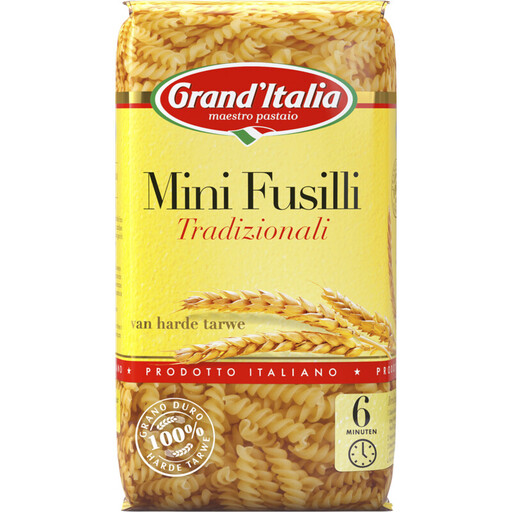
Why it suits this profile: The smaller pack is a practical choice for a first purchase, a small household or a pasta salad without building up a large stock.
The product information states that this is a 350-gram pack made from 100% durum wheat. You can see exactly what you’re buying and don’t need to commit to a large multipack.
Mini fusilli for salads and baked dishes; 357 kcal and 13 grams of protein per 100 grams according to the nutritional information provided.
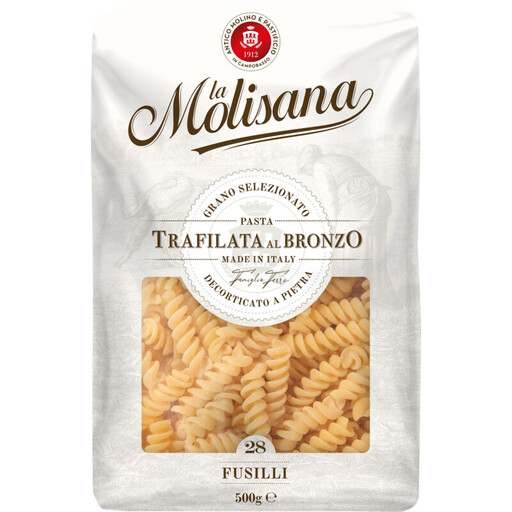
Why it suits this profile: According to the product description, this Italian pasta is made from 100% durum wheat and shaped using bronze dies.
The choice is based on verifiable details: the ingredients, shape, 500-gram pack size and stated cooking time of 11 minutes.
Fusilli shape; 14 grams of protein and 3 grams of fibre per 100 grams according to the product information.
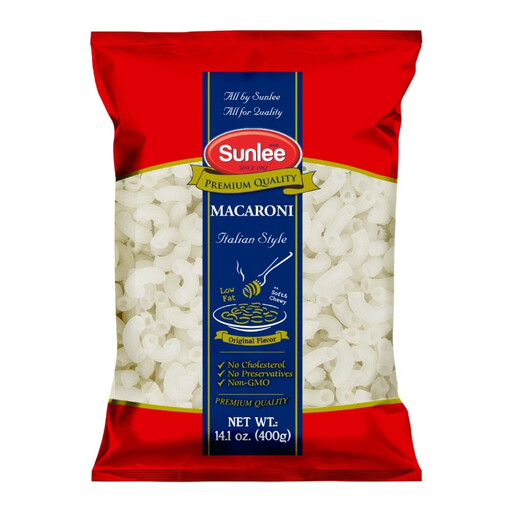
Why it suits this profile: These rice noodles are designed for soups, salads, stir-fries and baked dishes. The 400-gram pack is well suited to regular use.
The ingredients are clearly listed as rice and water. According to the product information, it contains none of the 14 major EU allergens.
Gluten-free rice base according to the product description; suitable for several cooking methods.
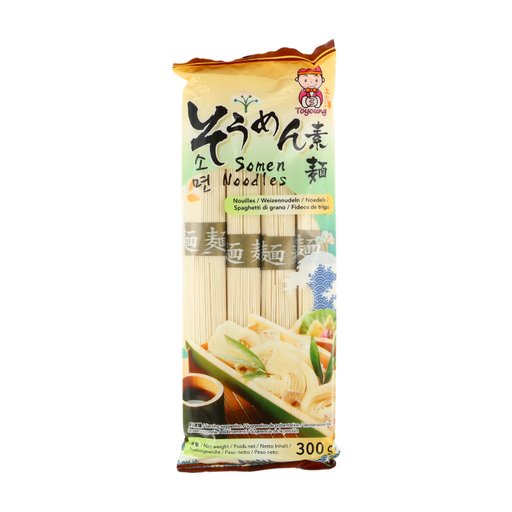
Why it suits this profile: The product description lists plant-based ingredients and suggests using these noodles in soups, wok dishes, cold dishes and salads.
The ingredients are straightforward: 99% wheat flour and salt. So it’s clear that these noodles are vegetarian, but not gluten-free.
300-gram pack; suitable for soups, stir-fries and salads.
We’ve put together a complete, up-to-date list of products that meet these strict selection criteria and the applicable European safety regulations.
Mini penne and mini fusilli are small in shape and, according to their product descriptions, suitable for salads, baked dishes and family meals. Always check the cooking time on the pack. Rice noodles or thin Asian noodles are often more practical for soup or wok dishes.
Dried products usually keep for a long time when stored in a cool, dry place away from direct sunlight. The exact date is shown on the pack. Seal an opened bag properly to help prevent moisture and contamination. Products such as konjac noodles may have different storage instructions; for example, DSKONYAKU recommends refrigerating them after opening.
Look for rice noodles made only with rice and water, such as several Sunlee products. Avoid wheat noodles and regular Italian pasta unless the packaging clearly states that they’re gluten-free. Also check the allergen information and any warnings about cross-contamination.
