
Vandaag of morgen in huis

Kwaliteit gegarandeerd

Welkomstaanbiedingen ontgrendelen: GRATIS bezorging | Tot 80% korting | Gratis 30 dagen JoyPlus-proefperiode
Download de app
Making your own pasta evokes images of idyllic Italian kitchens. The reality can be quite different: a clumsy appliance that disappears into the back of the cupboard after just one use. Many pasta machines promise the world but deliver frustration. Before you invest in a dream that ends in a sticky mess of dough, it's wise to know what to look for. We'll discuss the most common pitfalls and the specifications that truly matter.
The market is flooded with models that look good at first glance. However, many buyers fall into the same traps.
To make a good choice, focus on a few essential features. These will determine whether your new pasta maker becomes a joy or a chore.
The choice between manual and electric is the first and most important step. Your decision will depend on your patience, budget, and desired level of convenience.
The lifespan of your machine depends directly on the materials used.
Not every machine is right for everyone. We've matched a few popular choices with different user profiles.

Why This Fits Their Persona: Perfect for busy families or anyone who wants fresh pasta effortlessly. Just add flour and liquid, and the machine does the rest. Fresh pasta is ready in under 15 minutes.
Tackles the cleaning pitfall with easy-to-disassemble parts. It focuses on 4 high-quality, commonly used pasta shapes instead of an overload of useless extras.
Fully automatic process. According to Philips, it's suitable for all types of flour, including gluten-free options. Capacity of 450 grams per batch.
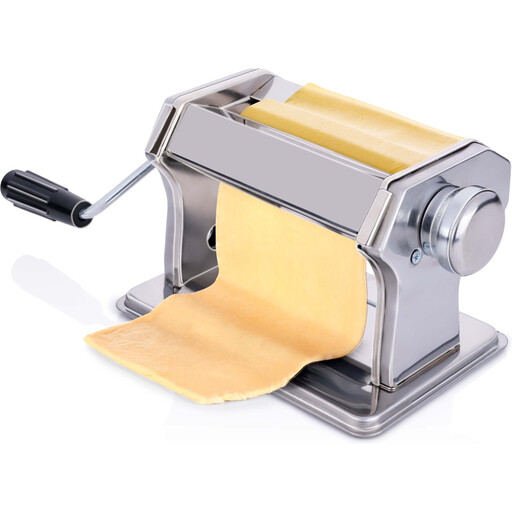
Why This Fits Their Persona: For those who enjoy being in control of the pasta-making process. This machine offers the classic, hands-on experience of rolling and cutting the dough.
Avoids the subpar materials trap with a chrome-plated steel construction and a sturdy table clamp. Its simple, mechanical design prevents the complexity and cleaning issues of over-engineered machines.
Offers 9 different thickness settings for precise control over the pasta sheets. The included clamp ensures a stable attachment to the countertop.
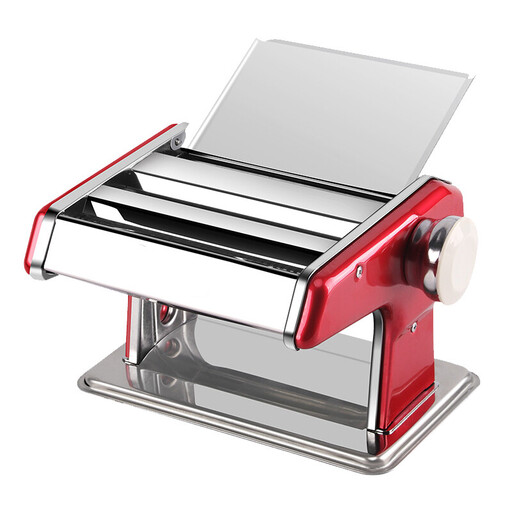
Why This Fits Their Persona: An affordable and accessible way to explore the world of making your own pasta without having to make a major investment.
This model focuses on the basic functionality: rolling and cutting dough. It avoids the trap of superfluous, fragile features. The stainless steel construction is a plus in this price range.
Low entry price. A proven, simple design that does what it's supposed to do. Made of stainless steel for better durability than plastic alternatives.
We have compiled a complete, up-to-date list of products that meet strict selection criteria and safety regulations.
For a manual machine with steel rollers: never use water. This can cause rust. Use a soft brush and a dry cloth to remove dough residue after it has dried. For fully automatic machines, like the models from Philips, most parts are removable and often dishwasher-safe. Always consult the manufacturer's manual for specific instructions.
For classic Italian pasta, 'Tipo 00' flour or durum wheat semolina are excellent choices. These flours have a high gluten content, which results in a firm and elastic pasta. However, many modern electric pasta machines are designed to work with all kinds of flour, including whole wheat or gluten-free varieties. It's advisable to start with the recipe suggested in your machine's manual.
It takes some practice, but it's certainly not difficult. The main challenge is getting the right dough consistency: not too wet and not too dry. Once you get the hang of that, the process is straightforward. Make sure to secure the machine firmly with the table clamp. For those who love to cook, it's a fun and satisfying process.
