
Vandaag of morgen in huis

Kwaliteit gegarandeerd

Welkomstaanbiedingen ontgrendelen: GRATIS bezorging | Tot 80% korting | Gratis 30 dagen JoyPlus-proefperiode
Download de app
The shelves are filled with packages of pasta, rice, and noodles. The choices seem endless, from classic Italian spaghetti to quick Asian wok noodles. But how do you choose the right type for your dish and lifestyle without falling into the usual traps? As a Joybuy Product Recommendation Officer, I'm here to help you see through the marketing hype and make an informed choice.
Many consumers make the same mistakes. They are tempted by packaging that promises "authenticity" but actually delivers a product that fails to meet expectations. Or they buy a type of pasta that is completely unsuitable for their favourite sauce, causing it to slide right off. Another common error is choosing the wrong noodles for a stir-fry, resulting in a sticky and mushy outcome.
To avoid disappointment, it's helpful to pay attention to a few specific product features. These specifications determine the texture, flavour, and suitability for your meal.
The raw material is crucial. Authentic Italian pasta is almost always made from durum wheat. This grain is rich in protein and provides the signature ‘al dente’ bite. Brands that specify this, like La Molisana, often offer a firmer texture.
For Asian noodles, the variety is greater. Wok noodles are often wheat-based, while vermicelli and flat noodles for soups like pho are usually made from rice flour. This naturally makes them a gluten-free pasta option. For those on a specific diet, there are also low-carb noodles, often made from the konjac root. These contain almost no calories or carbohydrates. With rice, the grain is important: long-grain basmati rice is ideal for curries due to its dry, fluffy texture, whereas risotto rice is meant to become creamy.
The shape of pasta isn't just for show. A rough surface grips sauce better. Pasta extruded through a bronze die (indicated as 'al bronzo') has such a porous texture. Smooth pasta, often made with Teflon dies, is less suitable for thin, oil-based sauces. Long, thin shapes like spaghetti pair well with light sauces, while hollow or twisted shapes are perfect for thick, chunky sauces with pieces of vegetables or meat. A versatile shape like orzo (rice-shaped pasta) can be used in soups, salads, and main courses.
An often-underestimated part of the preparation is draining. A good colander is indispensable. A stainless steel colander is a durable choice. It's sturdy, doesn't rust, won't absorb flavours, and can usually go in the dishwasher. Pay attention to the size of the holes: if they're too large, your orzo or vermicelli will wash away; if they're too small, the water won't drain quickly enough, which can lead to sticky pasta.
Based on these criteria, we have selected a number of products that suit different cooking styles and needs.
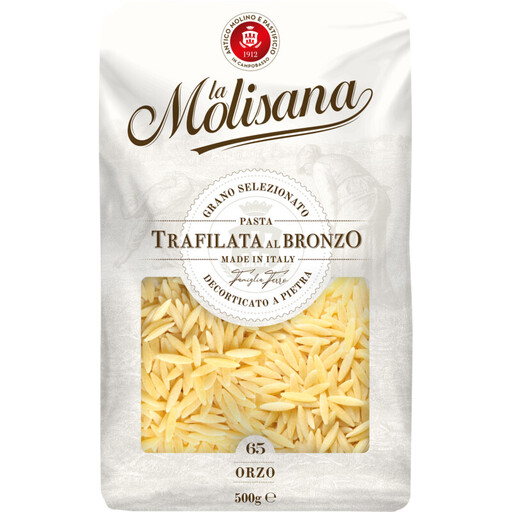
Why This Fits Their Persona: Perfect for the home cook who loves to experiment. This orzo is a versatile ingredient for global cuisine: use it in an Italian soup, a Greek salad, or as a base for a Middle Eastern pilaf-style dish.
This product bypasses the "authenticity" myth. La Molisana is an established Italian brand, and the pasta is made with a bronze die, which ensures a rough texture that holds sauce exceptionally well.
Made from 100% durum wheat with a high protein content (14g per 100g) for a firm 'al dente' bite. Cooking time of just 7 minutes.
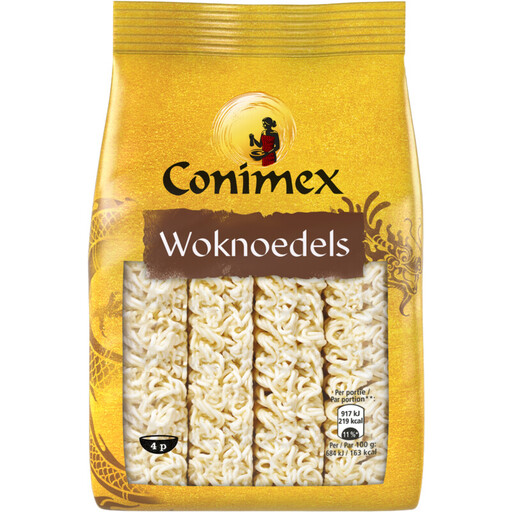
Why This Fits Their Persona: For those who need to get a nutritious meal on the table quickly. These noodles are the ideal base for a fast Asian meal after a busy workday.
Prevents a mushy result. These wok noodles are specially designed for stir-frying and maintain their structure, unlike regular egg noodles that quickly become overcooked and sticky in the wok.
Extremely fast preparation time: ready in just 2 minutes. The package is suitable for a meal for 3-4 people.
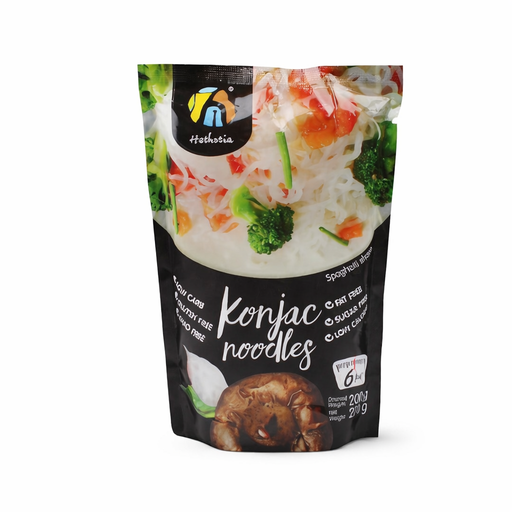
Why This Fits Their Persona: Ideal for anyone following a keto, low-carb, or calorie-restricted diet. This allows you to enjoy a pasta dish without the carbs and calories of traditional pasta.
This product is transparent about what it is: an alternative, not a wheat pasta. It avoids the pitfall of vague "healthy" claims and delivers what it promises: a functional, low-carb noodle.
According to the manufacturer, the product contains only 6 kcal and 1.3g of carbs per 100g. It is gluten-free and ready to use in minutes.
A well-stocked pantry is the foundation of any meal. Discover our full range, carefully selected for quality and origin.
What is the difference between pasta made with a bronze die and regular pasta? Pasta extruded through a bronze die ('trafilata al bronzo') has a noticeably rougher and more porous surface. This allows the sauce to adhere much better to the pasta, resulting in a more flavourful dish. Pasta from a Teflon die is smoother and shinier. While both types are fine, the bronze-die version often provides a more artisanal experience.
How do I prevent my wok noodles from becoming sticky? The key is in the preparation. Follow the instructions on the package; often, it's enough to briefly boil or soak the noodles in hot water. Then, rinse them immediately with cold water. This stops the cooking process and washes away excess starch, which causes stickiness. You can also add a small dash of oil before adding them to the wok.
Are low-carb noodles a good substitute for spaghetti? For people following a low-carb or keto diet, they are an excellent alternative. However, it's important to know that the texture is different. Konjac noodles, like the Hethstia spaghetti, have a more gel-like and firm 'bite' than wheat pasta. They have a neutral flavour and absorb the taste of sauces and spices very well, making them functionally similar to traditional spaghetti.
