
Same-day & Next-day Delivery

Quality Guaranteed

Unlock Your Welcome Offers: FREE Delivery | Up to 80% OFF | Free 30-day JoyPlus trial
Download the APP
Buying pasta and noodles online seems straightforward, until you have to choose between regular pasta, gluten-free pasta, wholewheat pasta, buckwheat noodles, konjac noodles and instant noodles. Packaging often highlights words such as “light”, “natural” or “high in fibre”, but these terms do not always tell the whole story.
The right choice mainly depends on the ingredients, allergens, nutritional values, preparation method and pack size. Use the following checks to avoid a disappointing purchase and find a product that suits your household and favourite dishes.
Many buckwheat noodles also contain wheat flour or wheat gluten. This applies, for example, to various Asian noodles containing 15 to 40% buckwheat flour. Always check the ingredients list and allergen information. If wheat, gluten or a warning about possible traces is listed, the product is not necessarily suitable for a gluten-free diet.
Oats may also contain gluten according to the product information. So do not rely solely on the product name; check the label on the specific pack.
A product containing 0 grams of fat may still be relatively high in carbohydrates. For example, YunShanBan buckwheat noodles list 0 grams of fat and 70.8 grams of carbohydrates per 100 grams. According to the product description, konjac noodles contain far fewer carbohydrates, but their texture and preparation are clearly different from traditional pasta.
Always compare nutritional values per 100 grams. Pay particular attention to energy, carbohydrates, fibre, protein and salt. With instant noodles, the included sauce and seasoning sachets also make a difference.
An 800-gram pack may seem attractive for a family, but it is less practical if you want to try a product first. Smaller 200- to 300-gram packs are ideal for testing the flavour, texture and preparation. For regular use, 400- to 500-gram sizes may make more sense.
Also check the storage instructions. Dried pasta and noodles should generally be stored in a cool, dry place. Konjac products are often pre-cooked and should be refrigerated after opening and used within the stated time frame.
For dietary choices, the first ingredients listed are the most important. A wholewheat product should state a clear proportion of wholewheat flour. According to the product information, Grand'Italia Penne Rigate Whole Wheat is made from 100% whole durum wheat and contains 8.9 grams of fibre per 100 grams. However, it does contain wheat and gluten.
According to the product description, Grand'Italia Gluten-Free Penne consists of 35% white rice flour, 33% wholegrain rice flour, 31% maize flour and 1% quinoa flour. The nutritional information lists 77 grams of carbohydrates and 2.6 grams of fibre per 100 grams. If you have allergies, always check the current packaging and any warnings about cross-contamination.
Compare products on the same basis. This prevents a small serving shown on the front of the pack from appearing more favourable than a standard serving of pasta. Examples from the selected products:
These figures are product specifications, not a guarantee of a particular effect on your body. According to the brands’ own product information, certain varieties may fit within a specific eating pattern. Check for yourself whether the ingredients match your preferences.
Dried spaghetti, penne, fusilli and lasagne sheets are usually cooked in plenty of boiling water. Penne and fusilli hold sauces well thanks to their shape. Spaghetti pairs well with smooth sauces and simple oil- or tomato-based dishes. Lasagne sheets are designed to be layered in an oven dish and require a different preparation method.
Buckwheat noodles are often cooked for 3 to 7 minutes and can be used in soup, stir-fries or cold salads. According to the product information, konjac noodles are already pre-cooked: draining, rinsing thoroughly and briefly heating them is generally sufficient. Their neutral flavour absorbs sauce well, but the texture is different from regular pasta.
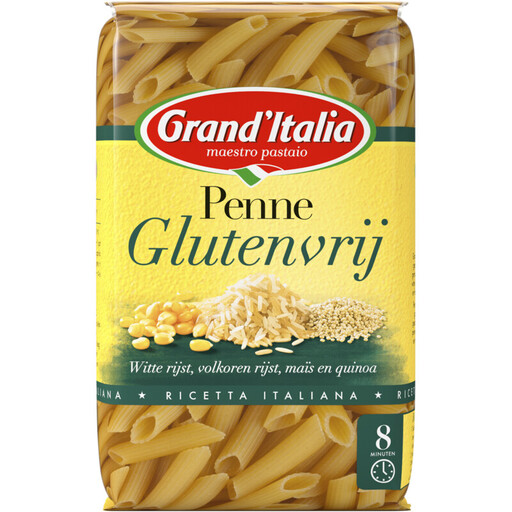
Why it suits this profile: A familiar penne shape in a 400-gram pack, suitable for anyone wanting to try gluten-free pasta and who enjoys cooking with tomato sauce or pesto.
The product description specifies the rice, maize and quinoa flours used. Before buying, however, check the current label and allergen information.
400 grams; penne shape; gluten-free according to the product information; 359 kcal and 77 grams of carbohydrates per 100 grams.
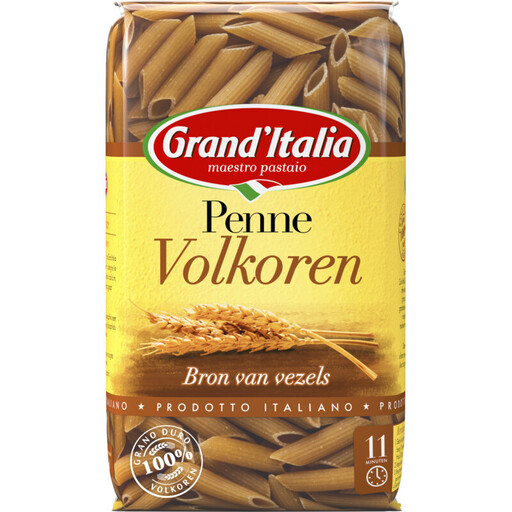
Why it suits this profile: For lovers of a firm Italian bite and a clearly specified wholewheat base.
It avoids a vague wholewheat claim: according to the product information, the pasta is made from 100% whole durum wheat.
500 grams; 8.9 grams of fibre and 13 grams of protein per 100 grams; penne holds rich sauces particularly well.
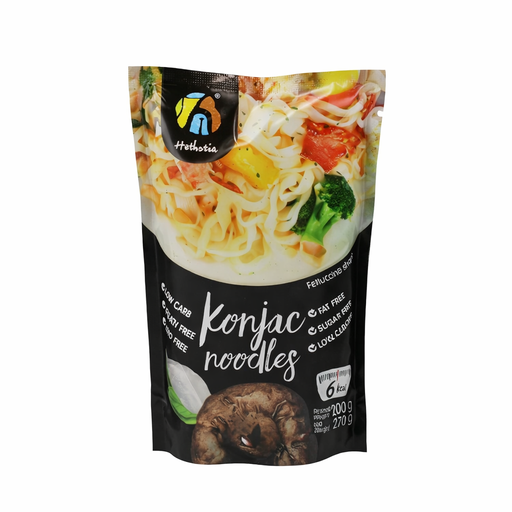
Why it suits this profile: For anyone looking for low-carb noodles who values quick preparation.
The product information lists 1.3 grams of carbohydrates per 100 grams and provides clear preparation instructions: rinse, heat and combine with sauce.
270 grams; 6 kcal per 100 grams according to the product information; suitable for vegan and gluten-free menus according to the stated product specifications.
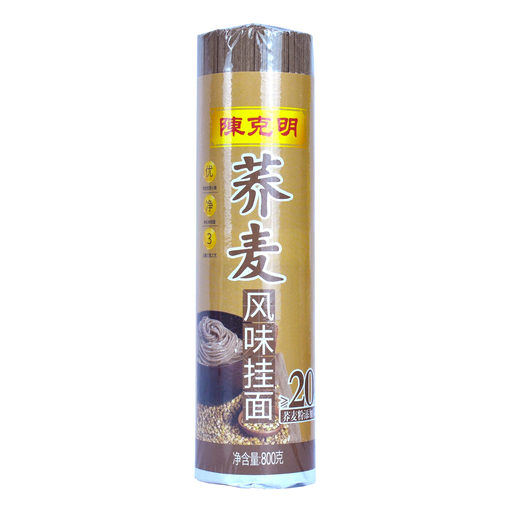
Why it suits this profile: The large pack is practical for households that regularly prepare noodle soup, stir-fried noodles or cold noodles.
The proportion of buckwheat flour is listed as at least 20%. At the same time, the ingredients list includes wheat and gluten, so this is not a gluten-free option.
800 grams; at least 20% buckwheat flour; suitable for hot, cold and stir-fried dishes according to the product information.
We have compiled a complete, up-to-date list of products that fully meet these strict selection criteria and the applicable European safety regulations.
Only choose a product whose label clearly states that it is gluten-free, and check the allergen information. Rice, maize and quinoa pasta may be an option, but also look for warnings about traces and other allergens. Buckwheat noodles are not automatically gluten-free if they contain wheat flour.
As a practical guideline, allow around 75 to 100 grams of dried pasta per adult for a main meal. Less may be enough for children, meals containing lots of vegetables or noodles served in soup. With instant noodles, also check how much of the pack consists of noodles and how much is seasoning or sauce.
Store unopened dried pasta and noodles in a cool, dry place away from direct sunlight. Seal opened packs securely. For pre-cooked konjac noodles, follow the specific instructions on the packaging; the Hethstia variety mentioned should be refrigerated after opening and used within two days. Always check the best-before information on the product itself.
