
Vandaag of morgen in huis

Kwaliteit gegarandeerd

Welkomstaanbiedingen ontgrendelen: GRATIS bezorging | Tot 80% korting | Gratis 30 dagen JoyPlus-proefperiode
Download de app
A passion fruit drink can be tangy, sweet, fizzy, or smooth and fruity. The range extends from passion fruit juice and soft drinks to mango passion fruit drinks, cocktail mixes, and products for bubble tea. This might make choosing seem simple, but packaging and marketing copy don't always tell the full story.
Pay particular attention to these three common pitfalls:
The term “fruit drink” can cover a range of different compositions. A product may contain apple, mango, peach or water alongside passion fruit. That’s not necessarily a problem, but it does affect the flavour and the balance between sweet and sour.
For example:
If you’re after a pronounced passion fruit flavour, it’s worth looking beyond the front of the pack. The ingredients list and quantitative declaration give a more objective picture.
A passion fruit soft drink often contains sugar, while other products are sweetened with sweeteners. A drink with no added sugar can still contain carbohydrates or natural sugars.
Some examples from the product information:
Always compare the same quantity. A 330 ml serving can deliver significantly more sugar or energy than the per-100 ml value might suggest.
A 1-litre bottle or larger is practical for home, but once opened the drink usually needs to be kept refrigerated and consumed within the stated period. 330 ml cans are handier for on the go or for households where not everyone shares the same taste.
For cocktails, different qualities matter. A ready-to-use passion fruit cocktail saves time, while passion fruit pulp or frozen purée gives you more freedom to create your own recipes. With frozen products, pay attention to the storage temperature – usually -18 °C – and make sure the cold chain isn’t unnecessarily broken when you receive them.
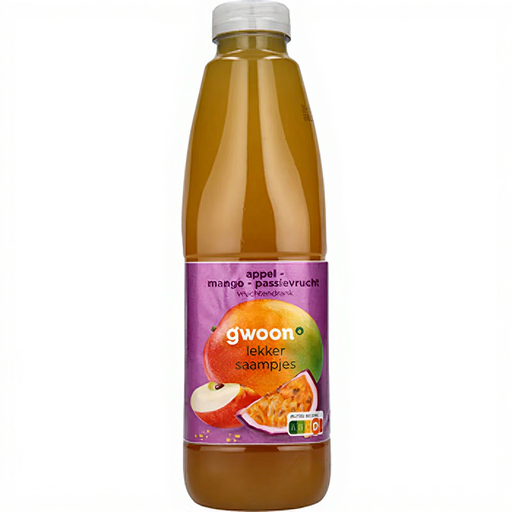
Why this fits the profile: The 1-litre pack is suitable for home use, and the mango and passion fruit combination is an accessible choice if you’re still trying this flavour.
The product information states 4% concentrated passion fruit juice and 6% mango purée. It also lists 0 grams of added sugar; check the current packaging for the most up-to-date details.
1-litre pack; mango and passion fruit combination; according to the product information, 18 kcal per 100 grams.

Why this fits the profile: The tray of 12 x 330 ml cans suits households that want to keep portions for work, guests or a chilled drink moment.
The product description explicitly mentions 30% natural passion fruit juice, no added sugar and 17 kcal per 100 ml. So the key comparison points are clear from the start.
30% passion fruit juice according to the product information; no added sugar; 12 individual cans.
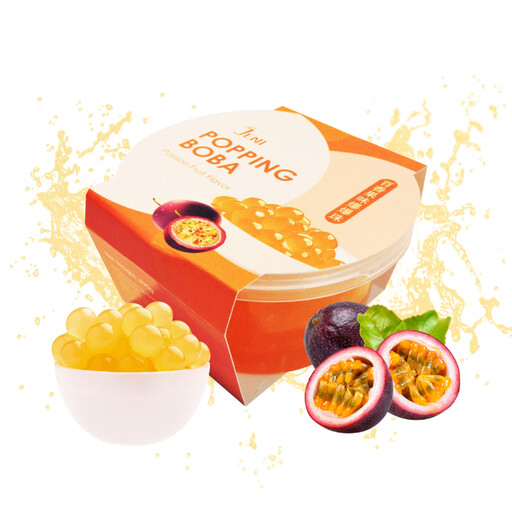
Why this fits the profile: These popping boba are designed for bubble tea, smoothies and desserts. The resealable pack is practical for regular use.
The application and contents are clearly described: 490 grams, ready to use and suitable for multiple preparations. Check the packaging after opening for the exact storage instructions.
490 grams content; resealable pack; suitable for bubble tea, desserts and drinks; vegetarian according to the product information.
We’ve put together a full, up-to-date list of products that fully meet these strict selection criteria and comply with current European safety regulations.
No. “No added sugar” means that, according to the product information, no sugar has been added during production. Fruit juice or fruit purée can naturally contain sugar. So check the nutritional information per 100 ml and the ingredients list.
Always follow the label. Many fruit drinks and soft drinks need to be kept refrigerated after opening and consumed within the stated period. Seal the pack tightly. Frozen products such as passion fruit pulp should be kept at the stated freezing temperature.
For bubble tea, a regular passion fruit drink, syrup or popping boba can all work. Popping boba mainly adds a soft outer shell and a liquid filling. A product like JENI Popping Boba Passionfruit Flavor is, according to the product description, ready to use in bubble tea, desserts and smoothies.
