
Vandaag of morgen in huis

Kwaliteit gegarandeerd

Welkomstaanbiedingen ontgrendelen: GRATIS bezorging | Tot 80% korting | Gratis 30 dagen JoyPlus-proefperiode
Download de app
A passion fruit drink can be tangy, sweet, fizzy, creamy or ideal for a cocktail. That makes comparing online less straightforward than it seems. A striking pack tells you very little about the passion fruit content, the amount of sugar or the alcohol percentage.
If you only go by the name “passion fruit” or “tropical”, you could end up buying a drink that doesn’t suit your intended use. With these practical selection points, you can compare passion fruit juice, soft drinks, nectars and cocktails based on verifiable information.
“Passion fruit” on the front doesn’t automatically mean the product is mainly passion fruit juice. Always check the ingredients list and the stated percentage of juice or concentrate. In a blend, apple, mango or peach may make up the largest share.
Take a mango passion fruit drink, for example: the combination can taste tropical, but the passion fruit content may be relatively limited. That’s not necessarily a problem, as long as you know what you’re buying.
A passion fruit soft drink usually contains carbonation, sweeteners or sugar and is intended to be served chilled. Passion fruit juice or nectar may contain more fruit content, but can also include concentrated juice and added sugar. An exotic fruit drink with milk ingredients, on the other hand, has a softer, fuller flavour.
Also pay attention to the serving size. A 330 ml can, a 350 ml bottle and a 1 litre carton aren’t directly comparable on price alone.
A passion fruit cocktail can be ready-to-drink or intended as a base for mixing. Always check the alcohol percentage. According to the product information, De Kuyper Passionfruit Martini Cocktail contains 12% alcohol. Passoa Festa Passion Fruit Cocktail states 14.9%. Sir James Passionfruit Martini Mocktail is described as alcohol-free, but does contain sugar and carbonation.
First, look at the order of the ingredients. Ingredients are usually listed in descending order by quantity. Also check:
For example, FOCO Passion Fruit Juice states a minimum of 25% passion fruit juice. Iam Superjuice Passionfruit Drink states 30% natural passion fruit juice according to the product description. MAAZA Passion Fruit states 14% passion fruit juice from concentrate. These differences help you better compare a pronounced fruit flavour.
For a fizzy tropical drink, look for carbonation listed in the ingredients. Rubicon Passion Fruit and Bundaberg Passionfruit are examples of sparkling varieties. Jarritos Passion Fruit is a soft drink in a glass bottle and can also be used as a mixer, according to the product description.
If you want a drink for on the go, cans or small bottles are practical. For a family, party or store cupboard, a multipack is more convenient. A product with pieces of nata de coco, such as Mogu Mogu Drink Passion Fruit, also offers a different drinking experience to smooth juice or soft drinks.
When choosing a cocktail, compare not just the flavour but also the alcohol percentage and volume. The De Kuyper cocktail comes in a 500 ml bottle and states four servings. Passoa Festa contains 500 ml and 14.9% alcohol. Only drink alcoholic products if you are of legal drinking age, and always drink responsibly.
For an alcohol-free passion fruit cocktail, Sir James Passionfruit Martini Mocktail is a ready-to-drink option at 250 ml. According to the product information, this drink contains 51 kcal and 12.5 grams of sugar per 100 ml. That makes it wise to check the nutrition label on non-alcoholic varieties too.
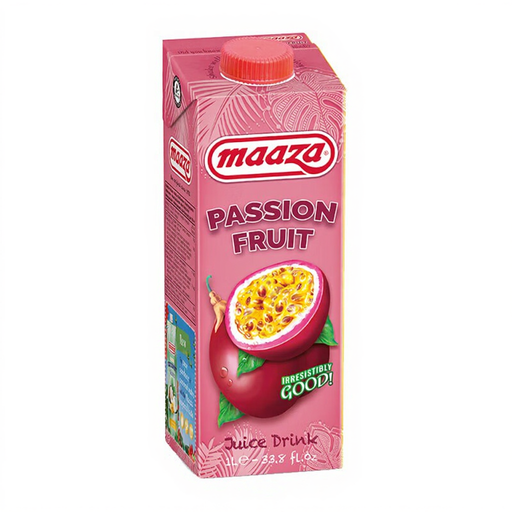
Why this suits the profile: The litre carton is ideal for keeping chilled at home and pouring multiple glasses. The product information states 14% passion fruit juice from concentrate.
The stated fruit percentage makes the composition easier to assess than if you only relied on the product name.
1 litre volume, no stated allergens and suitable for serving chilled.
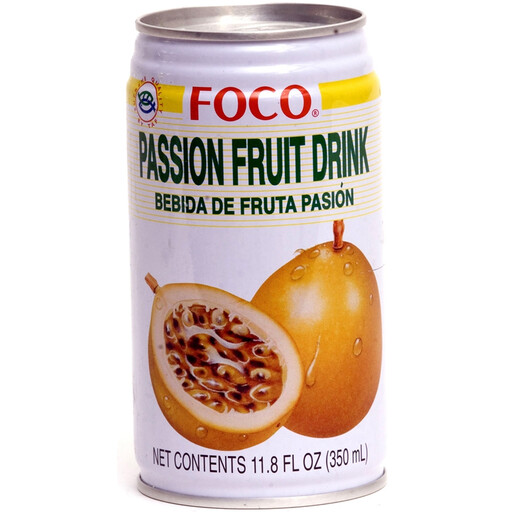
Why this suits the profile: This compact bottle is ideal for anyone who wants a clear fruit profile without committing to a large pack.
The product description states a minimum of 25% passion fruit juice, so the fruit percentage is verifiable.
350 ml volume, minimum 25% juice according to the product information and no artificial colours or preservatives stated.

Why this suits the profile: The tray format is practical for stocking up, work, parties or regular drinking. According to the product information, the drink contains no added sugar.
The label states 30% passion fruit juice and 17 kcal per 100 ml according to the supplied product information.
12 cans of 330 ml, no added sugar according to the product description and suitable for serving chilled.
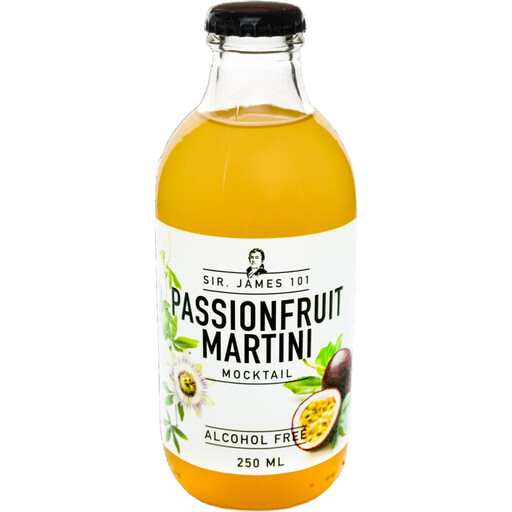
Why this suits the profile: This ready-to-drink non-alcoholic passion fruit cocktail is designed to be served chilled in a martini or champagne glass.
The product information explicitly states that this is a non-alcoholic drink, so you don’t have to guess the alcohol percentage from the marketing name.
250 ml, carbonated, ready to serve and 51 kcal per 100 ml according to the product label.
We’ve put together a full, up-to-date list of products that fully meet these strict selection criteria and comply with current European safety regulations.
Passion fruit juice contains juice or concentrate as a key component of the recipe. A passion fruit soft drink usually contains carbonation and may include sugar, sweeteners, flavourings and a smaller proportion of fruit juice. Always check the fruit percentage and the ingredients list.
That depends on the result you’re after. A ready-to-drink cocktail such as De Kuyper Passionfruit Martini Cocktail contains alcohol and is intended to be shaken or served chilled. Passoa Festa is an alcoholic base for mixing. For a non-alcoholic option, you can use a mocktail like Sir James, perhaps with ice and fresh passion fruit as a garnish.
Follow the instructions on the pack. Many fruit drinks need to be refrigerated after opening and consumed within the stated period. Seal bottles tightly. Store unopened products in a cool, dry place away from direct sunlight. For alcoholic cocktails, the product information also recommends cool storage and a tightly sealed bottle.
