
Vandaag of morgen in huis

Kwaliteit gegarandeerd

Welkomstaanbiedingen ontgrendelen: GRATIS bezorging | Tot 80% korting | Gratis 30 dagen JoyPlus-proefperiode
Download de app
Party nuts might seem simple at first glance: open the bag and serve. Yet cocktail nuts, spiced peanuts and nut mixes vary greatly in flavour, composition, allergens and portion size. If you only look at the front of the packaging, you could end up with a snack that’s too spicy, goes soft quickly, or doesn’t suit the dietary requirements of your guests.
With these practical selection points, you can compare party nuts based on verifiable information. That way, you can make a targeted choice for a drinks evening, visitors, a party, on-the-go snacking, or a quiet night in.
A 300g or 500g bag might seem appealing, but think about when you’ll use it. For a small household, a large pack may stay open for longer, causing the nuts to lose their crunch. For a party or regular use, a bigger bag can be more practical.
So, check:
Flavour names like Provençal party nuts, Oriental party nuts or Shanghai usually refer to a spice profile. They don’t give you the full picture of what’s inside. A spiced coating can contain wheat starch, milk ingredients, soya or celery, for example.
Always read the full ingredients list and allergen declaration. Product information can change, so the packaging of the product you buy is always the most reliable source.
Not every nut mix contains the same types of nuts. Some varieties are mostly peanuts with a spiced coating, while others include cashews, walnuts, hazelnuts, macadamias or pine nuts. Dried fruit, sugar, sweeteners or flavourings may also have been added.
If you want to eat plain nuts, look for terms like 100% macadamia nuts, roasted hazelnuts or a clear percentage for each ingredient.
First, choose your preferred flavour profile:
Bear in mind that “spicy” doesn’t mean the same intensity everywhere. Check the ingredients list to see which spices have been used.
With many spiced peanuts, roughly half the product is peanuts; the rest is starch, oil, sugar, salt and spices. In the product information provided, for example, different cocktail nuts show 50% or 51% peanuts.
If you mainly want to eat nuts, compare the percentage of the main ingredient. For plain products, this can be as high as 100%, as with the macadamia nuts mentioned. With a mixed nut selection, the breakdown by type matters: check that your favourite nut actually makes up a decent proportion.
In the European Union, major allergens must be clearly stated. For party nuts, these are the key points to watch out for:
Also look at the nutritional values per 100g. The spiced cocktail nuts in this selection show around 512 to 542 kcal per 100g and roughly 1.2 to 2.1g of salt, depending on the product. That makes it easier to compare than relying on terms like “light snack”. The nutritional information isn’t personal dietary advice; use it to compare products with each other.
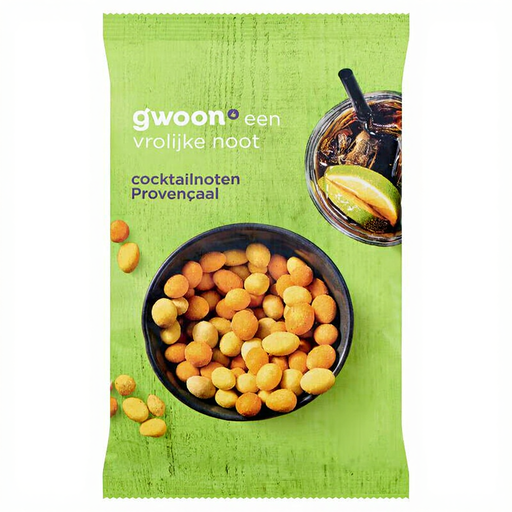
Why this fits the profile: A 300g bag is practical for a drinks evening at home or to share with a few guests. The product information states a mix with 50% peanuts and Provençal herbs such as onion, garlic, parsley and rosemary.
The quantity, ingredients and allergens are clearly stated. That means you don’t have to rely solely on the flavour name or the look of the packaging.
300g, recognisable Provençal herb profile and 1.642g salt per 100g according to the stated nutritional information.
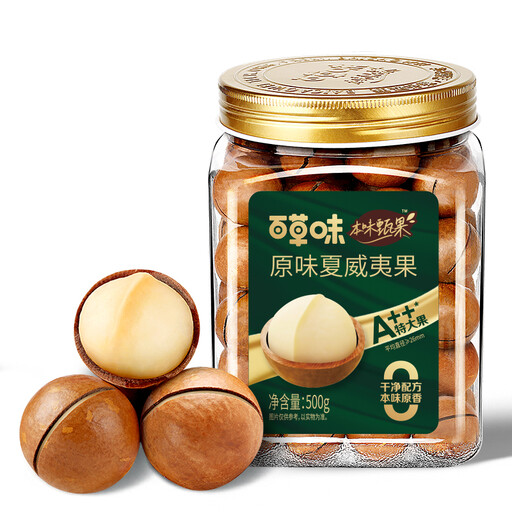
Why this fits the profile: This option is aimed at fans of a plain snack with a full, buttery nut flavour. According to the product information, the pack contains 100% macadamia nuts, with no added salt, sugar or seasoning.
The ingredients list is short and clear. There’s no spiced coating adding extra starch, sugar or flavourings.
500g, 100% macadamia nuts and no added salt, sugar or seasoning according to the product description.
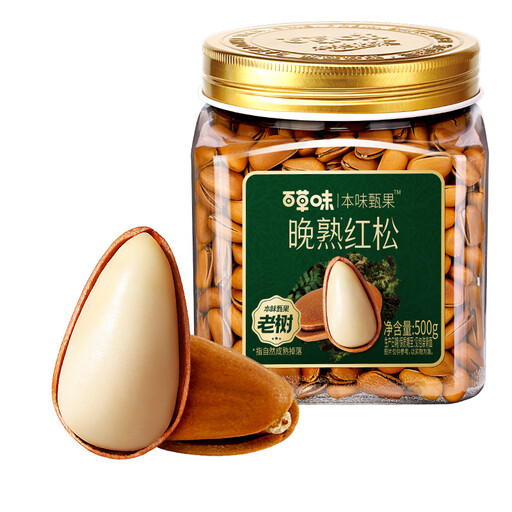
Why this fits the profile: Pine nuts aren’t just for snacking; they’re also great in salads, pesto, baking and as a garnish. The 500g pack suits regular culinary use.
The product information states at least 95% pine nuts and clearly mentions that the product contains oil. That helps you assess the composition.
500g, at least 95% pine nuts according to the product specification, and ready to use in cold or hot dishes.
We’ve put together a full, up-to-date list of products that fully meet these strict selection criteria and comply with current European safety regulations.
The terms are often used interchangeably. Party nuts are usually peanuts with a crunchy, spiced coating. Cocktail nuts can refer to either these spiced peanuts or a mixed nut selection. So, check the ingredients list and the percentage of peanuts or other nuts.
Store them according to the instructions on the pack, usually in a cool, dry place away from direct sunlight. Seal the bag or box carefully. The exact shelf life after opening varies by product, so check the packaging and look out for changes in smell, taste and texture.
That depends on the specific allergy. Some products contain only peanuts, while others also contain wheat, milk, soya, celery or several types of nuts. Always read the bold allergen information and the warning about possible traces. If in doubt, it’s best not to use the product.
