
Cook who serves straight from the pan
You cook the parsnip soup in a pan and want to blend it there, so you don’t have to pour it into a blender jug.


If you’re making the soup in a pan and want to blend it in there, a hand blender is an obvious choice. A suitable blender jug could work if a smooth texture is your priority. If you want the appliance to heat the soup too, choose a model with a suitable soup programme and check that its maximum capacity for hot preparations is sufficient.
You cook the parsnip soup in a pan and want to blend it there, so you don’t have to pour it into a blender jug.
You want a smooth, even texture for several people, so you compare the usable capacity and temperature limit of a blender jug.
You’re looking for an appliance with a heated soup programme and checking whether its hot-fill capacity suits your meal.
| What to consider | What should you look for? | Who is this important for? |
|---|---|---|
| Blending in the pan | Check whether the blender foot is detachable and follow the model’s cleaning and usage instructions. | If you want to blend the whole pan of soup without pouring it into another container, a hand blender suits the way you work. Around 40% of consumers make this their top priority. |
| Smoothness and jug capacity | Compare the permitted working capacity with your recipe and check what temperature the jug can handle. | If you want the smoothest possible soup for several people, don’t just look at the jug’s overall size. Around 30% of consumers prioritise a smooth texture and sufficient jug capacity. |
| Heated soup programme | Check whether the model heats the soup as well and what its maximum capacity is for hot preparations. | If you want one appliance to handle both heating and blending, its hot-fill capacity needs to suit the number of people you’re serving. Around 20% of consumers make automatic heating their top priority. |
| Cleaning and storage | Check which parts can be removed and how much space you’ll need for the jug and accessories. | If space is limited or you want to minimise washing up after your meal, consider the complete set when making your choice. Around 10% of consumers prioritise compact storage and less washing up. |
The jug’s total capacity and the amount you can process during use may differ. For example, Tefal lists a 1.75-litre jug and a 1.25-litre working capacity for the BL46EN38.
Compare the permitted fill level with your recipe. For the Tefal BL5768F0, Tefal lists separate capacities for hot and cold preparations.
A lower working capacity may mean you need to blend several batches to make enough for the same dinner.
Temperature limits vary by model. An appliance that can blend soup doesn’t automatically heat it, and it may not be suitable for hot ingredients.
Check the instructions for the exact model and, if necessary, let the soup cool before pouring it in.
Cooling the soup can take extra time, so you’ll need to plan your preparation around it.
A chopper or whisk is designed for other preparations and isn’t necessary if you only want to blend soup.
Choose accessories only if you’ll use them for other tasks too.
More parts can mean more cleaning and storage space.
MultiQuick hand blenders are designed for blending ingredients straight in the pan. Braun also lists a 500 ml chopper, a whisk and a beaker with the MQ50236M.
The Bosch MS84CB6110 is a hand blender for blending in the pan. Bosch lists a detachable metal blender foot and 12 speed settings for this model.
Tefal offers a few options here: the BL46EN38 is a blender jug for ingredients up to the 80 °C specified by Tefal, while the BL5768F0 also has heated soup programmes.
The Philips HR2204/80R1 is a refurbished SoupMaker with soup programmes. Philips lists a jug capacity of 1.2 litres and describes this as four portions.
This selection includes hand blenders and blender or soup maker options for soup. Before preparing your soup, always check the instructions and the temperature and capacity limits for the exact model.
 No image available
A blender jug may suit you if you want to blend the soup in the jug. Check first that the temperature and quantity are suitable for your recipe.
Heat-resistant glass jug; stated usable capacity of 1.5 litres; 1200 W.
 No image available
A hand blender is an option if you want to blend soup straight in a suitable pan. Follow the instructions on the maximum operating time.
The set includes a 700 ml beaker, a 500 ml chopper and a whisk. The description specifies a maximum of 1 minute of continuous use, followed by 1 minute of rest.
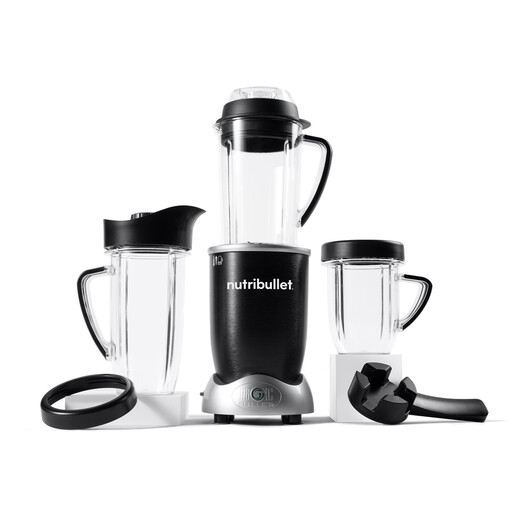 No image available
The product description lists a soup-making programme. Check that the capacity and instructions suit the amount of soup you want to make.
1700 W; 10-piece set. The description lists a 1-litre jug with a vented lid for hot ingredients and a 7-minute soup-making programme.
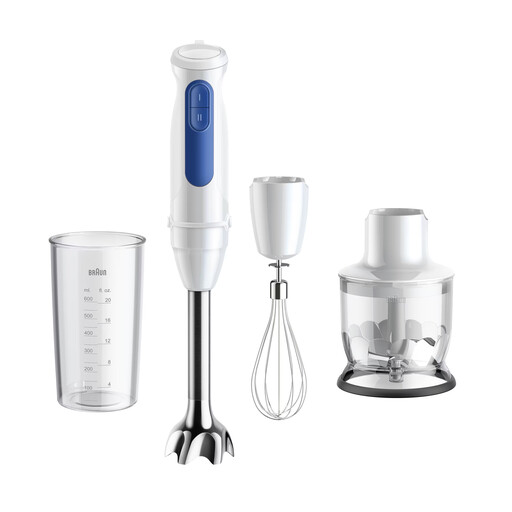 No image available
A hand blender may suit you if you want to blend the soup in the pan. Choose a suitable pan and follow the model’s instructions.
The description lists PowerBell VPlus, two speed settings and detachable parts that are dishwasher-safe.
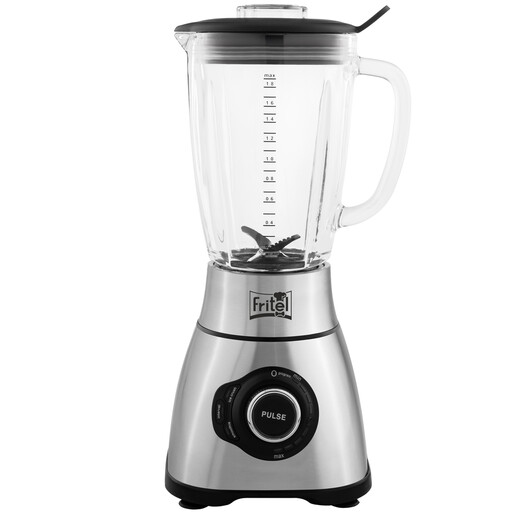 No image available
A blender jug may suit you if you want to blend the soup in it. Check the model’s maximum fill level and permitted temperature.
1.8-litre glass jug and removable blade assembly.
No, the permitted temperature varies by model. Tefal specifies ingredients of up to 80 °C for the BL46EN38. For its vacuum blenders HR3756/00, HR3752/00 and HR3868/00, Philips specifies cold or room-temperature ingredients. Check the instructions for your appliance and let the soup cool first if necessary.
Yes. If you want to blend the parsnip into the soup, cook the vegetables until tender first. The Consumers’ Association of the Netherlands says cooked vegetables are easier to blend, and a little liquid can help with thick ingredients.
Follow the cleaning instructions for the exact model and only detach the blender foot as described in the manual. For the models on its own support page, Philips recommends cleaning the blending shaft with warm water and washing-up liquid, then removing the motor unit.
No. According to the Dutch Government, there is no fixed statutory warranty period in the Netherlands; a product must meet the expectations you can reasonably have of it. If a product is faulty, contact the seller. A manufacturer’s warranty is additional.
Yes. The Dutch Government lists electronic appliances among the products that must carry a CE mark in the EU. Check the mark and safety information for a specific product. A CE mark alone doesn’t tell you whether a blender can handle hot soup.