
Cooking with a large soup pan
You’re already cooking the parsnip soup in a pan and want to blend it without first transferring the hot soup. The Consumentenbond lists blending soup as one of the uses for a hand blender.


If your parsnip soup is already in a large pan, a hand blender is a good fit if its instructions say you can blend directly in the pan. There’s no need to transfer the soup. A blender jug is an option if the manufacturer approves it for hot soup and its usable capacity suits your portions. Choose a soup maker if you’d like to combine preparation with preset programmes. The Netherlands Nutrition Centre advises cooling leftovers quickly, storing them covered in the fridge and not leaving them out of the fridge for more than 2 hours.
You’re already cooking the parsnip soup in a pan and want to blend it without first transferring the hot soup. The Consumentenbond lists blending soup as one of the uses for a hand blender.
You’re prioritising a fine texture and want to check that your chosen model’s jug is suitable for hot soup. The Consumentenbond recommends checking that a blender jug is heat-resistant when making soup.
You may want to combine cooking and blending in one appliance, or you may be more concerned about cleaning after making several portions. Philips lists soup and other programmes for the HR2203/80; Tefal lists soup programmes for the BL83SD30.
Best for: if you’re already cooking the soup in a large pan and would rather not transfer it.
Things to consider: the Consumentenbond notes that the result may differ from one made in a blender jug. Also check the instructions for using the blending foot in your pan.
Best for: if you want to use a jug and the manufacturer explicitly says it’s suitable for hot soup.
Things to consider: transferring the soup and washing up afterwards are part of this method. A large batch may need to be blended in several portions.
Best for: if you want to combine soup preparation with preset programmes.
Things to consider: programmes and usable capacity vary by model, so compare the capacity with the amount you want to make.
| What to consider | What should you check? | Who should consider this? |
|---|---|---|
| Amount of soup | Compare the quantity with the soup pan or the jug’s usable capacity; plan to blend in batches if needed. | If I’m making a large pan for the neighbourhood, I want to blend the soup in the pan or know in advance how many jugfuls I’ll need. Around 36% of consumers say capacity and blending in the pan are their main buying concerns. |
| Hot soup | Check the instructions for the exact model to make sure its method and temperature limits allow hot liquids. | If I want to blend freshly cooked soup, I want to be sure the chosen jug or blending foot is suitable. Around 29% of consumers put safe handling of hot soup first. |
| Desired texture | Where possible, look for tests of the blending results; don’t judge the texture by wattage alone. | If I want my parsnip soup as smooth as possible, texture matters more to me than avoiding transfers or washing up. Around 21% of consumers say texture is their main buying concern. |
| Preparation and cleaning | Compare the programmes, removable parts and cleaning instructions for the exact model. | If I’m making several portions, I want to know how much preparation and cleaning they involve. Around 14% of consumers prioritise ease of preparation and cleaning. |
For the Tefal BL83SD30, the manufacturer lists a total capacity of 2 L and a usable capacity of 1,75 L. This affects how much soup you can blend in one go.
Plan portions around the usable capacity of the exact model, not just its largest capacity figure.
If your batch is larger than the usable capacity, you’ll need several rounds and extra preparation time.
The Consumentenbond recommends checking that a blender jug is heat-resistant when making soup. A blender’s suitability for cold drinks doesn’t automatically mean it’s designed for hot liquids too.
Check the instructions for the exact model before you buy. Otherwise, choose a method the instructions say is suitable, such as blending the soup in the pan.
A power rating or a claim about smooth results doesn’t tell you on its own whether an appliance will suit your pan, portion size and preferred texture.
Compare the model instructions and, where available, test information about blending results with the quantity and method you need.
Hand blenders for blending in the pan. Bosch says the MSM8M930 has a removable metal blending foot and stepless speed control.
MultiQuick hand blenders may come with different attachments. The MQ9138XI is sold as a set that includes a whisk and chopper, among other accessories.
The Viva SoupMaker HR2203/80 is an option if you want to prepare soup using pre-programmed functions.
The Perfectmix Cook BL83SD30 is a heated blender with a jug, designed for those who want to use hot soup programmes.
These models may suit you if you want to blend parsnip soup in a blender jug. Check the instructions for each model to make sure it’s approved for use with hot ingredients.
 No image available
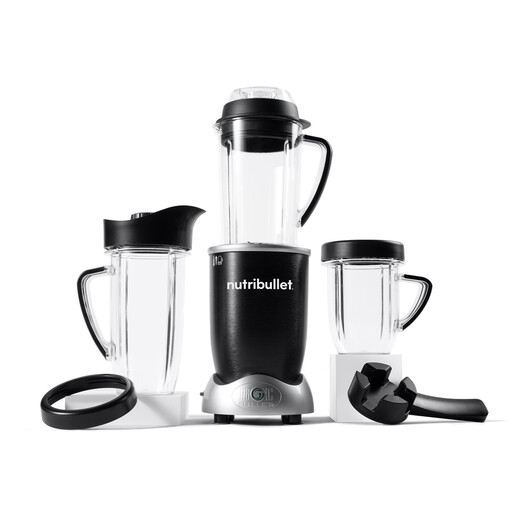
The product information lists a heat-resistant jug for hot preparations. Check the instructions for the approved method of blending hot soup.
Power: 1200 W. Capacity as stated in the product name: 1,5 L.
 No image available
The product information lists a soup setting and a jug for hot ingredients. The jug has a capacity of 1 L, so larger quantities will need to be blended in batches.
The base and blade are not dishwasher-safe.
 No image available
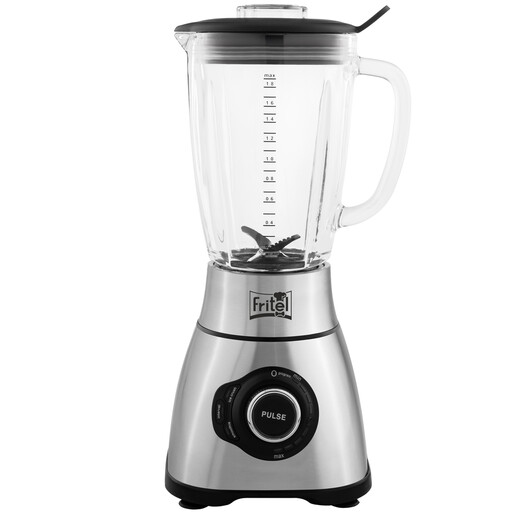
Soup is listed as a suitable use. Before adding hot soup, check the instructions to see whether the exact model is suitable for hot ingredients.
Glass jug: 1,8 L. Power: 1800 W. Nine speeds.
 No image available
Blending soup is listed as a suitable use, but the product instructions limit processing to ingredients at a maximum of 80 °C. Allow hot liquids to cool first.
Capacity as stated in the product name: 1,5 L. Do not immerse the motor unit in water.
 No image available
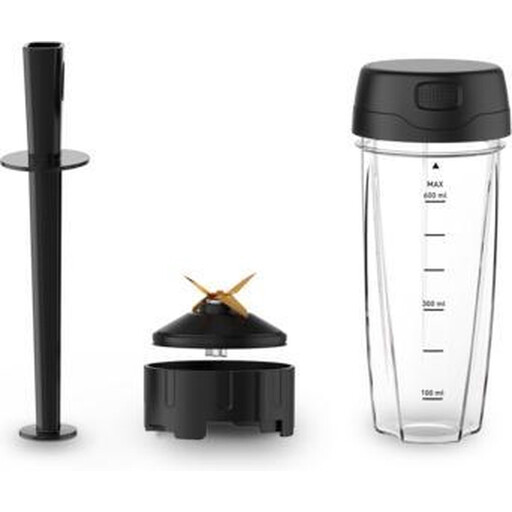
The instructions say to let hot ingredients cool before blending them, so this model isn’t suitable for blending freshly cooked soup straight away.
Power: 1600 W. Capacity: 1,75 L. The product name also lists 35.000 RPM.
No. Don’t assume that every blender is suitable. The Consumentenbond recommends checking that a blender jug is heat-resistant when making soup. Also check the instructions for hot contents for the exact model.
A removable blending foot can make it easier to clean that part separately. Check which parts of each model are dishwasher-safe, and don’t immerse the motor unit unless the manufacturer’s instructions specifically allow it.
The Netherlands Nutrition Centre advises cooling leftovers quickly, storing them covered in the fridge and not leaving them out of the fridge for more than 2 hours. Its 2-day storage recommendation applies to thickened soup with meat and vegetables; don’t assume it applies to every parsnip soup.
It depends on what you’re organising. Information from the NVWA outlines requirements for people selling food from home or providing catering, but it doesn’t say that the same business rules apply to a private neighbourhood meal where no food is sold. If you sell the soup or provide catering, check the relevant NVWA requirements for food safety and allergen information.