What should you look for when choosing?
First decide whether the crisps will be shared at home or whether you need individual portions for lunch. Then check the pack size and the label on the pack you’re actually buying.
| What to consider |
What should you check? |
Who is this important for? |
| Pack size for sharing |
Net weight and whether the pack can be resealed securely after opening. |
If we’re sharing one bag across several lunches, I want to know in advance how much it contains. Having enough to share is the top priority for around 33% of consumers. |
| Individual portions |
Number of bags, grams per bag and the flavours in the multipack. |
I want to set aside a separate bag for each lunch without having to measure out portions myself. This is the main priority for around 27% of consumers. |
| Ingredients and allergens |
Ingredients list and allergens for the exact variant and pack size. |
If an ingredient needs to be avoided, I want to be able to check the pack before handing it out. Around 27% of consumers make checking the label their top priority. |
| Fat per 100 g |
The stated amount of fat per 100 g and the allergens for that same variant. |
If I’m considering an oven-baked variant, I want to compare its nutritional information with the standard product. This is the first thing around 13% of consumers consider. |
Paprika crisps and pack sizes on Joybuy
These products show different ways to choose paprika crisps for lunchtime: a sharing bag, individual packs, and smaller or ridged varieties. The pack size and label are still what matter when deciding what’s right for your household.
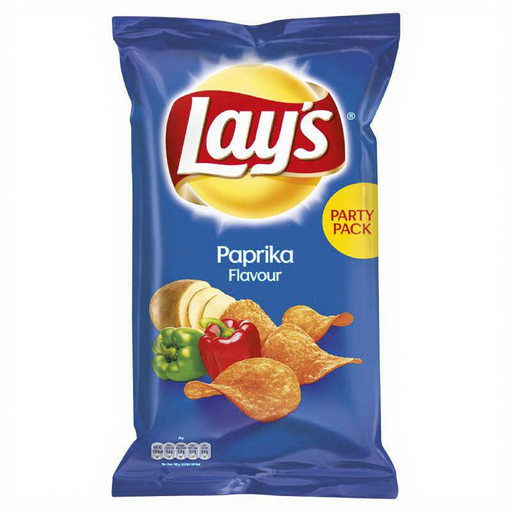 Image unavailable
Lay's Paprika Crisps, 300 g
A bag for a lunch where you’ll be sharing out the portions yourself.
Net weight: 300 g. Check the label on this pack if ingredients or allergens are important to your choice.
View on Joybuy
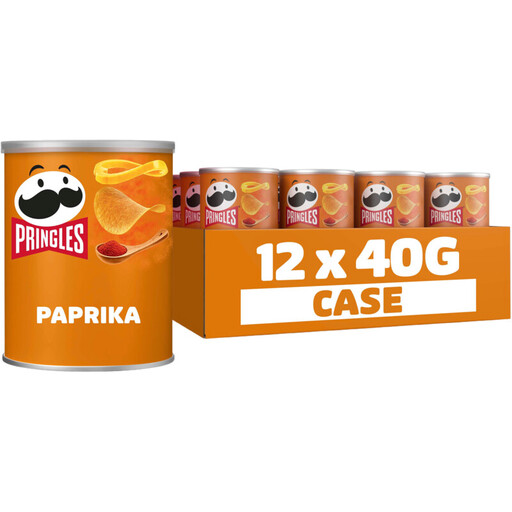 Image unavailable
Pringles Red Pepper Flavoured Potato Chips, 12 × 40 g
Individual packs are handy when you want to set aside a separate portion for each lunch.
According to the product name, the multipack contains 12 packs of 40 g. If you have allergies, check the label, particularly for information about wheat, milk and soya.
View on Joybuy
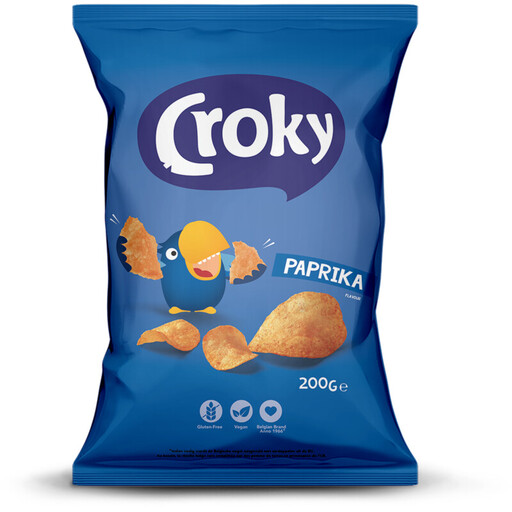 Image unavailable
Croky paprika crisps, 200 g
A sharing bag if 200 g is a better fit for the number of lunches you’re planning.
Net weight: 200 g. Check the current label if you have specific dietary requirements or allergies.
View on Joybuy
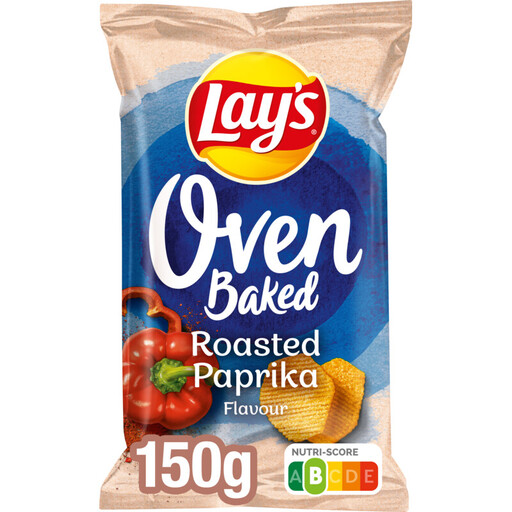 Image unavailable
Lay's Oven Baked Paprika, 150 g
A 150 g bag of oven-baked crisps to compare with standard paprika crisps using the nutritional information.
For Lay’s Oven Baked Paprika, Jumbo lists 13 g of fat per 100 g and milk as an allergen. Check the label on the pack you choose.
View on Joybuy
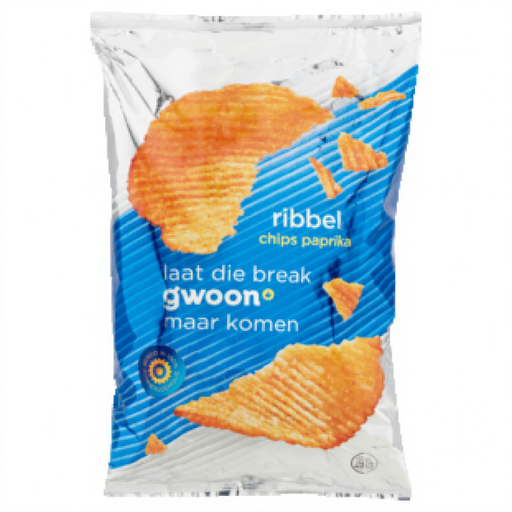 Image unavailable
g'woon Ribbed Paprika Crisps, 250 g
A bag of ridged paprika crisps for sharing out at lunch.
Net weight: 250 g. If you have dietary restrictions or allergies, check the label for information about milk and lactose.
View on Joybuy
Frequently asked questions
When should I choose a large bag instead of individual bags?
Choose a large bag if you’ll be sharing the crisps at home and want to portion them out yourself. Individual bags are better when you want a separate pack for each lunch; if so, check the weight of each bag too.
Does a multipack always contain only paprika crisps?
No, a multipack may include a range of flavours. For example, ALDI lists a Lay’s multipack with paprika crisps and other types of snacks, so check the flavour selection before setting aside bags for lunches.
Can I use the allergen information from a standard bag for the multipack too?
No, check the allergens for each specific variant separately. Albert Heijn lists different dietary and allergen information for its standard AH paprika crisps and the AH 20-pack.
Is an oven-baked variant the same as a large sharing bag?
Not in this case: according to Jumbo, Lay’s Oven Baked Paprika comes in a 150 g pack and lists milk as an allergen. Compare the pack size, nutritional information and allergens for this variant with those of the larger bag you’re considering.


