
Travel companions who like to snack together
If everyone is eating from the same bag at the same time, you can choose a larger pack to suit the size of your group. Decide in advance what you’ll do with an opened bag if you don’t finish it.


A large bag of paprika crisps is a good choice if you’re travelling with people who want to share, while individual packs are more practical if everyone wants to take their own sealed snack. Check the total amount, what might be left over and the label on the pack you choose. Schiphol says solid food is allowed in hand luggage, but different rules apply to liquid or spreadable dips.
First, think about whether you’ll finish the crisps together in one sitting or whether people want a snack at different times during the journey.
If everyone is eating from the same bag at the same time, you can choose a larger pack to suit the size of your group. Decide in advance what you’ll do with an opened bag if you don’t finish it.
An individual pack for each person is handy if you want to hand out snacks or save them for different points in your journey. Check how many packs are in the multipack and how many grams each one contains.
Check the ingredients, allergens and nutritional information on the exact pack, both per 100 g and, where provided, per portion. This is particularly important if another flavour or size is also available.
First decide whether you’ll share or take individual packs. Then consider the quantity, how you’ll carry them in your hand luggage and what the label says.
Best for: travel companions who want to share one pack at the same time.
Worth considering: once opened, you’ll need to think about any crisps left over or saved for later.
Best for: travellers who each want to take a sealed pack or snack at different times.
Worth considering: if you’re buying a multipack, check that all the packs are paprika flavour; the Lay’s multipack described by ALDI also contains other flavours.
| What to consider | What to check before buying | Who it matters to |
|---|---|---|
| Individual portions | Check the number of packs, the amount in each pack and the flavours in the multipack. | If travel companions want to eat at different times, individual sealed packs are easier to hand out. Around 36% of consumers would prioritise individual portions as their main need. |
| Amount to share | Match the total amount to the number of people eating together, and consider what might be left after opening. | If you’re sharing, one bag should be big enough without leaving too much over. Around 29% of consumers would prioritise finding a suitable quantity. |
| Carrying them in hand luggage | Check that the pack fits in your bag and can be protected from being crushed. | You’ll want to take your crisps with you without the pack taking up too much space or getting squashed. Around 21% of consumers would make ease of carrying their main consideration. |
| Label and nutritional information | Read the ingredients and allergen information on the exact pack. Compare nutritional values on the same basis, for example per 100 g. | If certain ingredients matter to you, you’ll want to check the product you’ve chosen before eating it. For around 14% of consumers, the label would be their main consideration. |
The Lay’s multipack described by ALDI combines paprika crisps with plain crisps and Bugles Nacho Cheese. That matters if everyone is expecting the same flavour.
Check the flavour breakdown on the pack before handing out the packs to your fellow travellers.
Schiphol says food is allowed in hand luggage, but spreadable foods may be subject to the rules on liquids. So the rules for crisps don’t automatically apply to a dip you take with you.
Check the hand luggage rules separately if you want to bring a dip or spreadable topping.
Jumbo lists milk and sulphur dioxide/sulphites as allergens for Smiths Sticks Paprika. Another type of crisp, flavour or pack size may have different ingredients.
If you have allergies, always read the label on the exact pack you’re going to eat.
Packaging and product types can vary within the same brand, too. So make sure you check the specific product you want to take with you.
Albert Heijn lists both a 300 g bag of Lay’s Paprika and a 20-pack containing 800 g in total.
At Jumbo, Smiths Sticks Paprika is a paprika-flavoured snack in a 100 g pack.
Jumbo Paprika Crisps is a 250 g own-brand option if you want one bag to share.
Lidl describes Snack Day Paprika crisps as paprika-flavoured potato crisps in a 250 g pack.
ALDI describes a paprika-flavoured version of Sun Snacks stackable crisps in a 175 g pack.
These products show a range of pack options: a multipack of individual bags, larger packs for sharing and a smaller paprika snack. Choose according to the number of travellers and when you want to eat the crisps.
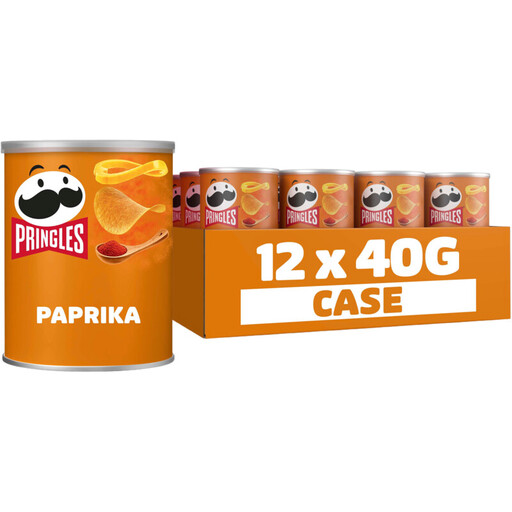 Image unavailable
An option if each of your travel companions wants to take an individual bag. Check that this Red Pepper variety is the flavour you’re looking for, and if you have allergies, read the label on the exact pack.
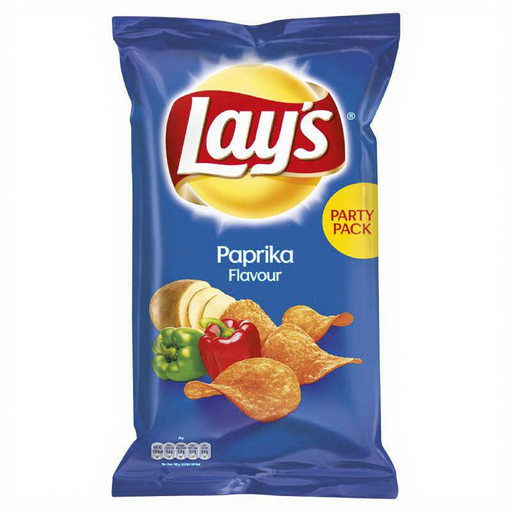 Image unavailable
A bag to share with your travel companions during the same snack break. Consider whether you’ll finish the opened pack during your journey.
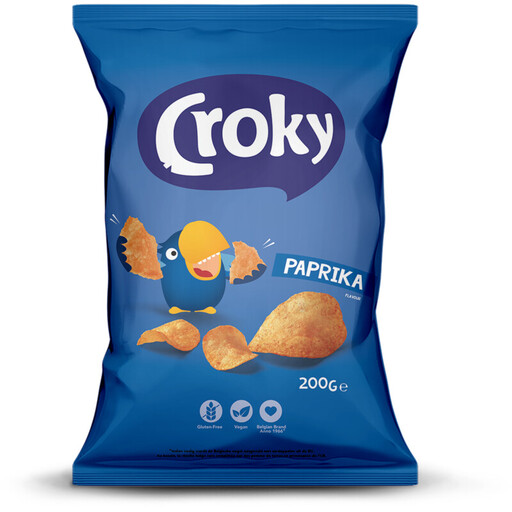 Image unavailable
A bag to share if 200 g is a better fit for your group than a larger pack. If everyone wants to snack at different times, consider individual bags too.
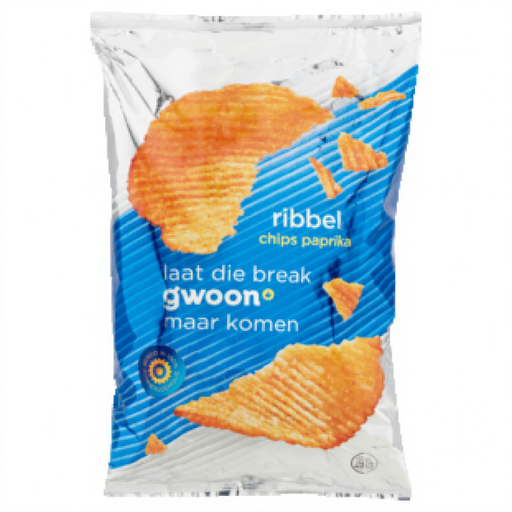 Image unavailable
A ridged paprika variety to share from one bag. Check the current pack for ingredients and allergens if they matter to your choice.
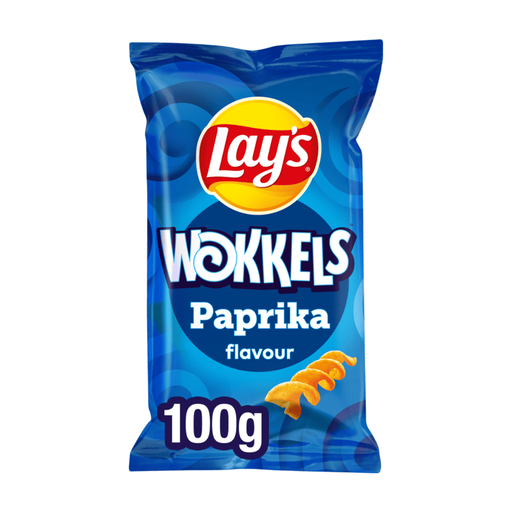 Image unavailable
A smaller paprika snack if you don’t want to take a large bag. This is a Wokkels variety, not a substitute for individual portion packs; if you have allergies, check the current label.
Yes. Schiphol says solid food is allowed in hand luggage, and paprika crisps are a solid snack. Check the rules for any dip separately: liquid and spreadable foods are subject to different hand luggage rules.
Individual packs are more convenient if your travel companions are eating at different times or each want their own sealed snack. Check the number of packs, the amount in each one and the flavours; a multipack may also contain flavours other than paprika.
Read the allergen information on the exact pack you’re going to eat. For example, Jumbo lists milk and sulphur dioxide/sulphites for Smiths Sticks Paprika; don’t assume the same applies to other brands or varieties.
That depends on your destination’s import rules. Schiphol points out that each country has its own rules for food products, so check the requirements for the country you’re travelling to before you leave.
Compare the nutritional values on the same basis, for example per 100 g, and also consider how much you’ll actually eat. Use the label on the product you’ve chosen for its ingredients and nutritional information, not the label for a different size or flavour.