What should you look for when choosing?
The cooking method or a high-protein claim shouldn’t decide your choice on its own. Check what a product contains per 100 g and how much you actually plan to eat.
High-protein paprika snack
When: If protein per pre-measured snack portion matters more to you than choosing regular potato crisps.
Trade-off: Lowcarbcenter also lists 14 g of carbohydrates and 0.5 g of salt per 25 g bag of WeCare High Protein Paprika; it contains soya.
Regular paprika crisps
When: If you want regular potato crisps and prefer to measure out your own portion.
Trade-off: According to the Netherlands Nutrition Centre, an average 40 g portion of crisps contains 215 kcal and 2.5 g of protein; values vary by product.
Oven-baked paprika crisps
When: If you specifically want to compare an oven-baked option with regular and high-protein paprika crisps.
Trade-off: The cooking method doesn’t tell you how many kcal or how much protein your portion contains. Check the nutritional information on the pack to compare.
| What to consider |
What to check |
Who it matters to |
| Energy and portion size |
Compare kcal per 100 g, then calculate the kcal for the amount you want to eat. |
If I’m likely to eat the whole bag in one go, I want to know how many kcal that entire snack occasion contains. For around 50% of consumers, the energy in their portion comes first. |
| Protein per snack |
Check protein per 100 g and per planned portion, and read the other nutritional values too. |
If you want to choose a savoury snack for its protein, a claim on the front of the pack isn’t enough: the amount you get per snack occasion matters. Around 40% of consumers prioritise protein. |
| Preference for regular crisps |
Compare the nutritional information and ingredients of branded and own-label products for the same amount. |
I mainly want regular paprika crisps and use the nutritional information to choose between products. For around 10% of consumers, this preference is the starting point. |
Paprika crisps on Joybuy
These products include an oven-baked variety and regular paprika crisps. Compare their nutritional information per 100 g and decide which portion suits what you want to eat; the cooking method alone doesn’t tell you how much protein or how many kcal that portion contains.
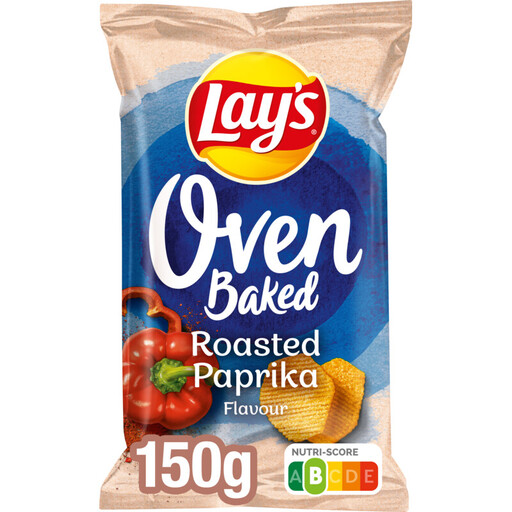 Image unavailable
Lay's Oven Baked Paprika, 150 g
An oven-baked paprika variety for anyone who wants to compare different types of crisps. The pack contains 150 g; check the label for nutritional values per 100 g and per portion, and read the ingredients if allergens matter to your choice.
View on Joybuy
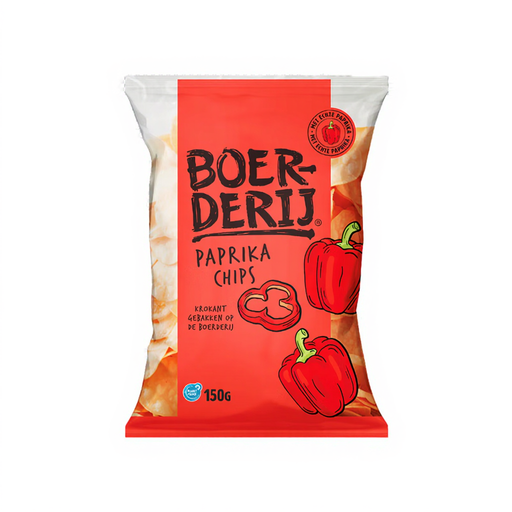 Image unavailable
Farmhouse Biscuits Paprika Chips, 150 g
Regular paprika crisps for anyone who wants to measure out their own snack portion. The pack contains 150 g; check the label for nutritional values per 100 g, calculate the figures for your portion and check the allergen information if you need to.
View on Joybuy
Frequently asked questions
Are regular paprika crisps a high-protein snack?
Don’t assume so without checking the nutritional information. According to the Netherlands Nutrition Centre, an average 40 g portion of crisps contains 2.5 g of protein and 215 kcal; compare the protein content of the specific product for the portion you plan to eat.
How can I compare the kcal in paprika crisps fairly?
Compare kcal per 100 g first, then calculate the figure for your planned portion. This stops a small bag from seeming like a better choice simply because of its size compared with a larger amount of another product, as the Netherlands Nutrition Centre’s comparison method also shows.
Do I need special protein crisps for a high-protein diet?
No, a special high-protein snack isn’t essential. The Netherlands Nutrition Centre says most people who exercise don’t need special protein shakes or bars as part of a varied diet; assess crisps by their nutritional values and what else you eat.
Why should I check the salt content too?
Because choosing based on kcal or protein doesn’t tell you how much salt a product contains. The Netherlands Nutrition Centre recommends having no more than 6 g of salt a day; information published by Lowcarbcenter lists 0.5 g of salt per 25 g bag of WeCare High Protein Paprika.
Which allergens should I check in paprika crisps?
Check the allergens on the pack of the product you’re buying. Jumbo lists milk in Jumbo Paprika Chips, while the product information for WeCare High Protein Paprika lists soya; according to the Netherlands Food and Consumer Product Safety Authority, allergens must be clearly stated on the label.


