What should you look for?
First, choose a size that suits how the snack tin will be used. Then compare your preferred type of crisp and check the label on the exact pack you’re considering.
| What to consider |
What to check |
Who is it important to? |
| Pack size and how it will be used |
Check the weight in grams and consider how quickly the bag will be eaten once opened. |
If lots of colleagues will be helping themselves from the same tin, I want enough in the bag without it being left open for too long. Around 36% of consumers put matching pack size to usage first. |
| Shape and texture |
Check whether they’re regular or ridged paprika crisps; sticks are a different type of snack. |
For a shared snack break, I want to know whether colleagues are expecting smooth or ridged crisps. For around 29% of consumers, their preferred texture is the first thing they consider. |
| Nutrition information and portion size |
Compare the nutritional values per 100 g and per portion on the label of your chosen variety. |
If I want to assess the nutrition information, I need the values for the exact bag and a suitable portion size. This is the top priority for around 21% of consumers. |
| Allergens and sealed portions |
Check the ingredients and allergen information on the current packaging, and choose individual bags if needed. |
When colleagues come and go, I want everyone to be able to find the information for their portion. Around 14% of consumers prioritise this combination of label information and sealed portions. |
Paprika crisps for a shared office stash
This selection of Joybuy products includes a 300 g bag of regular paprika crisps, ridged varieties and smaller bags for offices where a large bag might take longer to finish. Choose a size that suits how the crisps will be eaten, and keep the product information on the packaging available when sharing.
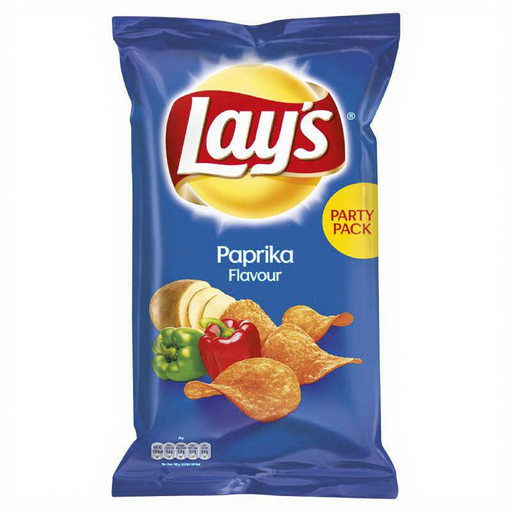 Image unavailable
Lay’s Paprika Crisps 300 g
A sharing bag for a snack tin that several colleagues regularly dip into.
Pack size: 300 g. Seal the bag securely after opening and leave the current label by the snack tin.
View at Joybuy
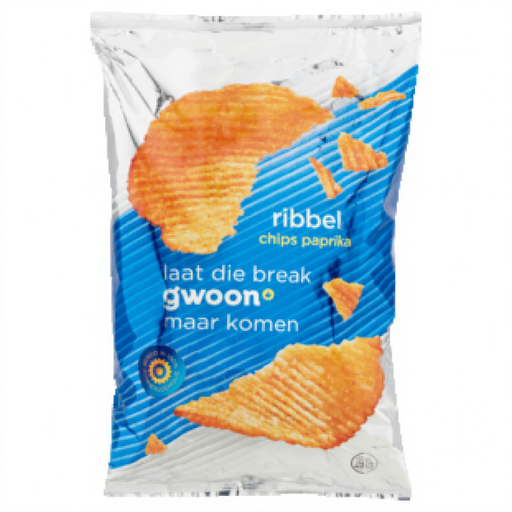 Image unavailable
g'woon Ribbed Paprika Crisps 250 g
A sharing bag for colleagues who prefer ridged paprika crisps to regular smooth crisps.
Pack size: 250 g. Check the ingredients and allergens on the current packaging before sharing.
View at Joybuy
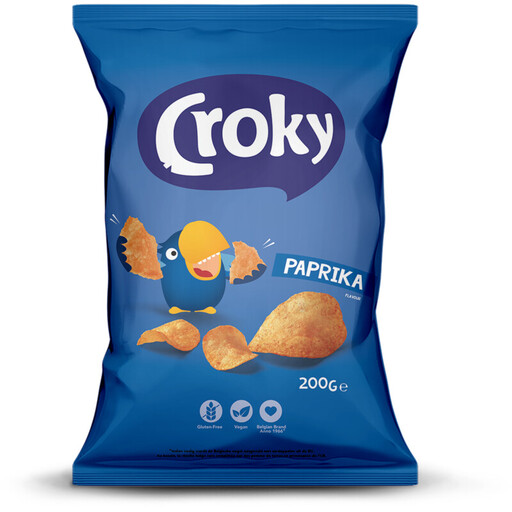 Image unavailable
Croky Paprika Crisps 200 g
A smaller bag to share if a 250–300 g bag would take too long to finish.
Pack size: 200 g. Keep the packaging so you can refer to the current ingredients and allergen information.
View at Joybuy
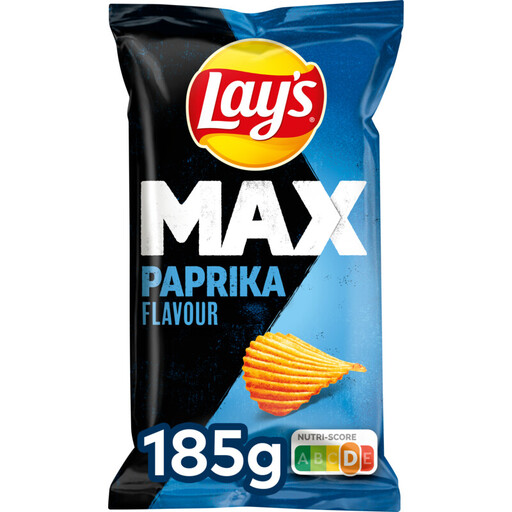 Image unavailable
Lay’s Max Smoky Paprika 185 g
A smaller paprika variety for colleagues who want to try the Smoky Paprika flavour.
Pack size: 185 g. This bag contains less than the 250–300 g sharing bags discussed here; check the current label too.
View at Joybuy
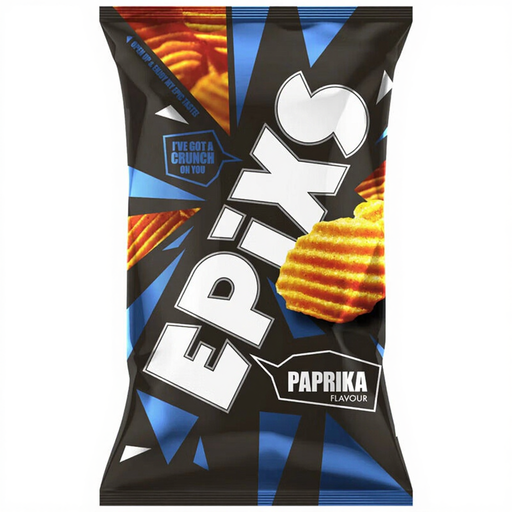 Image unavailable
Epixs Wave Paprika Crisps 185 g
A smaller bag to share if you’re looking for ridged paprika crisps.
Pack size: 185 g. If you’re using a shared snack tin, keep the current label available.
View at Joybuy
Frequently asked questions
How big should a bag of paprika crisps be for the office snack tin?
A 250–300 g bag could work if several colleagues will be eating from it and the contents will be finished soon after opening. If the crisps will be eaten irregularly, consider smaller bags or individual portions too, and make sure to seal any opened packaging securely.
Can I rely on the words ‘paprika crisps’ for allergen information?
No. Check the allergen information on the current packaging of the exact product. According to the Netherlands Food and Consumer Product Safety Authority, this information must appear on the label of prepacked products. Keep the label with any crisps you put in a shared snack tin.
How should I store an opened bag in the office stash?
Seal the bag securely after opening and follow the storage instructions on the packaging. For Lay’s Paprika 300 g, the product information also recommends storing it in a cool, dry place, away from direct sunlight, heat and moisture.
What should I check on the label when comparing regular crisps with Oven Baked?
Compare the nutritional values per 100 g for the exact varieties, and consider the portion size you’ll actually eat. The Netherlands Nutrition Centre notes that average nutritional values for crisps can vary by brand; a product line’s name is no substitute for the nutrition information on the packaging.


