Don’t make paprika crisps a regular part of nursery lunch: the Netherlands Nutrition Centre’s example policy classifies a bag of crisps as a less healthy weekly choice. If your setting’s own policy allows crisps for a special occasion, first check the allergens and the agreed amount per child. Individual bags contain a set amount; with a large bag, staff decide how much to serve.
Who is this choice for?
Childcare staff following food policies
You want to know whether crisps are suitable for nursery lunch or special occasions at all. The Netherlands Nutrition Centre’s example policy classifies a bag of crisps as a less healthy weekly choice, rather than a regular part of lunch.
Organisers of a one-off treat
If crisps are allowed for the occasion, you’ll want to know in advance how much each child will get. A multipack of individual bags makes the amount in each bag clear; check that it fits your setting’s portion guidelines.
Buyers who want to serve crisps centrally
You want to serve the agreed amounts yourself from a larger bag. This means planning portions and checking the packaging for allergens, even if the product is intended for the whole group.
What determines the choice of packaging?
The Netherlands Nutrition Centre’s example policy classifies crisps as a less healthy weekly choice. First check whether crisps are allowed under your setting’s own policy for this occasion; only then choose the type of packaging.
No crisps with an ordinary lunch
When: The setting puts together an ordinary lunch in line with its food policy.
Consider: If you want to hand out a savoury treat, choose a separate occasion when this is allowed.
Individual bags
When: For an occasion when treats are allowed and you want to know the amount in each bag in advance.
Consider: A sealed bag contains a set amount, but it still needs to fit your portion guidelines.
Large bag
When: Crisps are allowed and staff can serve the agreed amounts themselves.
Consider: The bag doesn’t set a portion limit, so make sure its total contents match what you actually need.
| What to consider |
What to check before buying |
Especially relevant to |
| Food policy |
Check whether crisps are allowed for this occasion and age group under your setting’s lunch or special-occasion policy. |
When I organise an ordinary lunch, I first want to know whether crisps fit our policy. For around 33% of consumers, this policy question comes first. |
| Allergens |
Read the ingredients and allergen information on the specific packaging before buying and serving. |
When there are individual dietary requirements, I don’t want to rely on the flavour name on the front alone. Around 27% of consumers put checking allergens first. |
| Portions |
Compare the contents of an individual bag with your portion guidelines, or decide in advance how much staff should serve from a large bag. |
For an occasion when treats are allowed, I want to be able to give each child a clear amount; this is the main priority for around 27% of consumers. |
| Amount needed |
Match the number of bags or the contents of a large bag to the number of children and consider what will happen to any opened packaging. |
When I buy for a group, I don’t want to open more than we need. Getting this right comes first for around 13% of consumers. |
Common mistakes when choosing
-
Assuming a larger pack means crisps are suitable for lunch
The size of the packaging doesn’t change how crisps are classed in the Netherlands Nutrition Centre’s example policy: a bag of crisps is considered a less healthy weekly choice.
First check whether crisps are allowed under your setting’s policy for the planned occasion. Then choose the packaging.
-
Choosing a large bag without a serving plan
A large bag doesn’t determine how much each child gets. You may also be left with an opened pack after serving.
Decide in advance how much each child will get and how much you need in total. If there are leftovers, follow the storage instructions on the packaging and your setting’s guidelines.
-
Assuming all paprika crisps have the same allergen profile
According to Albert Heijn’s product information, its AH paprika crisp multipack contains milk and lactose; Jumbo lists milk in its 250 g Paprika Chips. So a similar flavour name doesn’t tell you enough about another product’s packaging.
Before buying and serving, check the ingredients and highlighted allergens on the current label of the product you’ve chosen.
-
Treating an old product listing as a current option
Albert Heijn marks its Chips paprika 20-pack as discontinued on the product page. An old product listing doesn’t confirm what’s currently available to order.
Check the packaging you’ve chosen shortly before buying, and read the label again when it arrives.
Brands to consider
These brands offer examples of different types of packaging. The right choice for your setting still depends on its own policy, portion guidelines and the label on the specific product.
Lay's
Albert Heijn lists a Lay's Paprika 20-pack with 20 bags of 40 g; Jumbo lists a 300 g bag of Lay's Paprika crisps.
- The 20-pack has a set amount in each individual bag.
- With the 300 g bag, staff need to divide up the portions themselves.
Albert Heijn
Albert Heijn lists its own 250 g bag of paprika crisps and a 20-pack with bags of 40 g.
- The two pack types suit both central serving and handing out individual bags.
- The 20-pack is marked as discontinued on the product page and lists milk and lactose.
Jumbo
Jumbo lists products including 250 g Paprika Chips for serving from one bag.
- The product page for the 250 g bag gives around eight portions, which can help you plan how much to buy.
- Jumbo lists milk as an allergen for this specific bag; your setting will also need to decide on the portions itself.
Snack Day
Lidl lists Snack Day Paprika crisps in a 250 g pack.
- The stated pack size is useful when planning to serve crisps centrally.
- Lidl says the product is available in store; check the label on the pack you choose.
Sun Snacks
ALDI lists Sun Snacks paprika or ready salted crisps in 50 g packs.
- The smaller pack clearly states its contents: 50 g.
- Choose the paprika flavour carefully, and check the ingredients and allergens on the packaging in store.
Joybuy products for two ways of serving
These products show two types of packaging for an occasion when your setting’s policy allows crisps: individual bags of red pepper flavour and a large bag of paprika crisps for serving centrally. The flavours and portions aren’t interchangeable, so check what’s been agreed for your group.
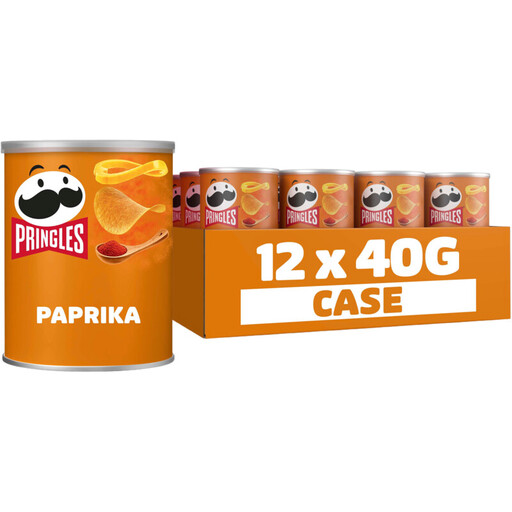 Image unavailable
Pringles red pepper-flavoured crisps, 12 x 40 g
For handing out individually on an occasion when crisps are allowed: compare the 40 g contents of each pack with your portion guidelines. Check the current label for ingredients and allergens.
View at Joybuy
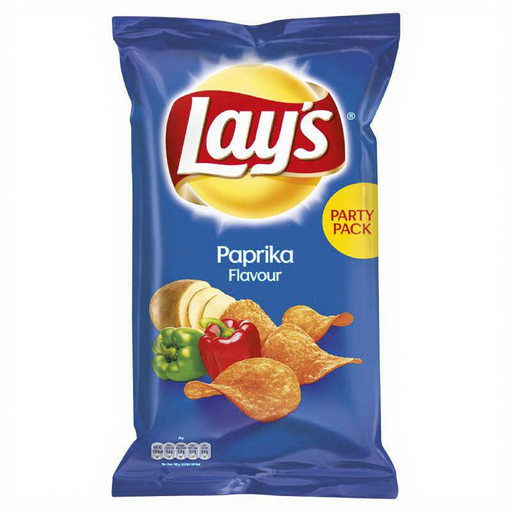 Image unavailable
Lay's paprika crisps, 300 g
For an occasion when crisps are allowed and staff are serving centrally: the bag contains 300 g, with no individual portion sizes. Decide on the amounts in advance, and check the current label for ingredients and allergens.
View at Joybuy
Frequently asked questions
Are paprika crisps suitable for an ordinary nursery lunch?
Not as a regular part of lunch under the Netherlands Nutrition Centre’s example policy: it classifies a bag of crisps as a less healthy weekly choice. Check your setting’s food and special-occasion policies before choosing crisps for a particular occasion.
Should I check the allergens in paprika crisps for my childcare setting?
Yes. Check the specific packaging before buying and serving, especially if there are individual dietary requirements. The Netherlands Food and Consumer Product Safety Authority explains that allergens must be listed on labels; Albert Heijn lists milk and lactose in its paprika 20-pack, while Jumbo lists milk in its 250 g Paprika Chips.
When should I choose a large bag instead of individual bags?
Choose a large bag if crisps are allowed for the occasion and staff can serve the agreed amount to each child themselves. If individual sealed portions are more important, compare the amount in each bag with your portion guidelines; a 40 g bag isn’t automatically the right amount.


