What should you look for when choosing?
Start with the carbohydrates in your planned portion and the allergen you need to avoid. Then compare fat, salt and other nutritional values. A single claim on the front of the pack doesn’t replace the nutrition information.
| What to consider |
What to check |
Who should pay particular attention? |
| Carbohydrates per portion |
Check the carbohydrates per 100 g and calculate the amount for the portion you plan to eat. |
If I’m keeping track of carbohydrates, I want to know what’s in my own bowl rather than just looking at the bag. An estimated 50% of consumers prioritise carbohydrates per portion. |
| A specific allergen |
Check the ingredients list, allergen information and any ‘may contain’ warnings on the current packaging. |
If I need to avoid a particular allergen, that information needs to be accurate for the crisps I buy. For around 30% of consumers, this specific allergen is the main priority. |
| Fat and salt |
Compare fat, saturated fat and salt per 100 g alongside carbohydrates. Check the fibre content too, if it’s listed. |
If I’m mainly watching fat or salt, I don’t want to rely on a claim such as ‘oven-baked’ or on a different main ingredient. These nutritional values matter most to an estimated 20% of consumers. |
Brands compared
These brands offer examples of different paprika varieties. The values and features listed apply to the specific products, not every crisp made by a brand.
Lay's
Regular and oven-baked paprika crisps with varying nutritional values.
- Albert Heijn lists 54 g of carbohydrates, 29 g of fat and 0,65 g of salt per 100 g for Lay's Paprika.
- For Lay's Oven Baked Roasted Paprika, Albert Heijn lists 13 g of fat but 69 g of carbohydrates per 100 g. This variety contains milk. Here, lower fat doesn’t mean fewer carbohydrates or a milk-free recipe.
AH
Albert Heijn’s own-brand paprika crisps, with product features and nutritional values listed by the retailer.
- Albert Heijn describes AH Chips paprika as gluten-free, lactose-free and vegan, and lists 55 g of carbohydrates and 0,8 g of salt per 100 g.
- These product features don’t mean the crisps are free from every allergen. If you have a specific allergy, check the current label.
Jumbo
Regular paprika crisps, with nutritional values and allergen information listed by the retailer for the specific product.
- Jumbo lists 55 g of carbohydrates and 1,20 g of salt per 100 g for Jumbo Paprika Chips.
- Jumbo lists milk as an allergen for this product. Don’t choose it if you need to avoid milk.
Proper
Lentil-based paprika crisps as an alternative to compare nutritional values.
- Albert Heijn lists 10 g of protein per 100 g for Proper Paprika Lentil Chips.
- The same product information lists 62 g of carbohydrates and 2,71 g of salt per 100 g, and says the product may contain soya. Being lentil-based doesn’t automatically make it suitable if you’re limiting carbohydrates, salt or soya.
Snack Day
Lidl’s own-brand range includes a 250 g paprika crisp variety.
- The product name and pack size make it easy to identify the variety in store.
- To check whether this variety meets your carbohydrate or allergen requirements, use the nutritional information and ingredients on the packaging.
Paprika crisps on Joybuy
This selection includes regular and oven-baked paprika varieties, including a cheese and paprika variety and a pack with individual portions. Use the pack size to plan your portion, and always check the label on your chosen variety if you have an allergy.
 No image available
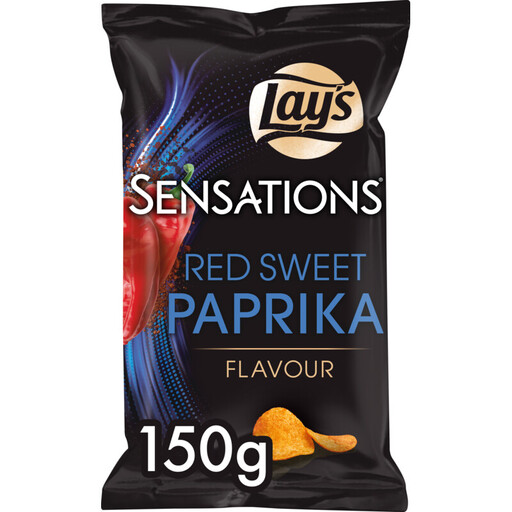
Lay's Sensations Red Sweet Paprika 150 g
A paprika variety for measuring out your own portion from a bag. The pack contains 150 g. Check the label for the carbohydrates in your chosen portion and for any relevant allergens.
View on Joybuy
 No image available
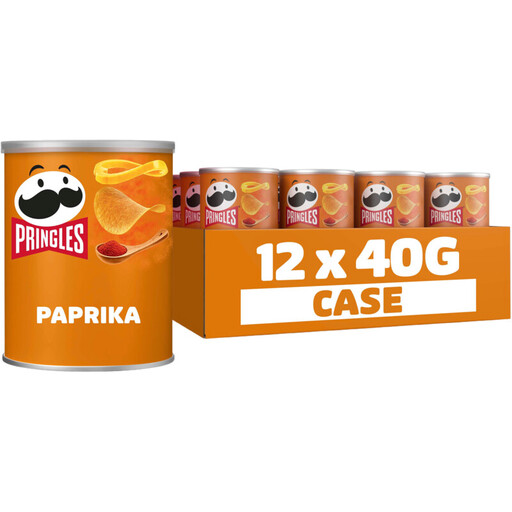
Pringles Red Pepper Flavoured Potato Chips 12 × 40 g
The twelve individual 40 g packs give you a clearly defined portion size. Use the nutrition information to check the carbohydrates in each portion. According to the stated allergen information, this variety contains wheat and milk and may contain soya. Avoid it if you need to avoid any of these allergens, and check the current label.
View on Joybuy
 No image available
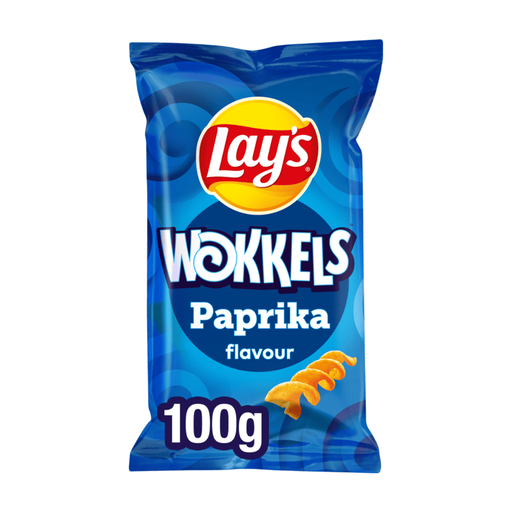
Lay's Wokkels Paprika Chips 100 g
A paprika variety in a 100 g bag, so you can decide how much to pour out. The stated allergen information lists soya. Don’t choose this product if you need to avoid soya, and check the current label before eating.
View on Joybuy
 No image available
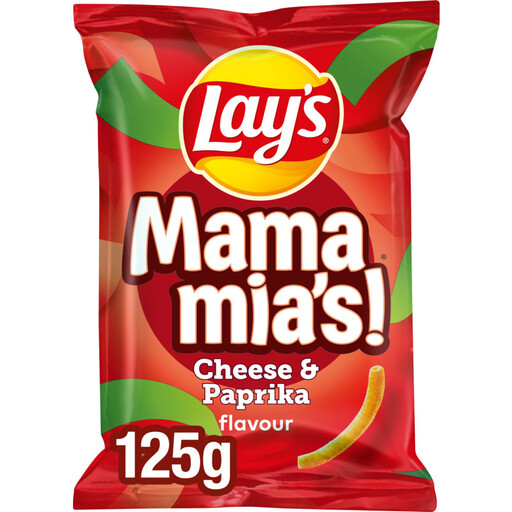
Lay's Mama Mia's Paprika Cheese Chips 125 g
This 125 g pack is a cheese and paprika variety, not just paprika-flavoured. The stated information lists milk as an allergen, so avoid this product if you need to avoid milk. Check the warnings on the current packaging for other allergens.
View on Joybuy
 No image available
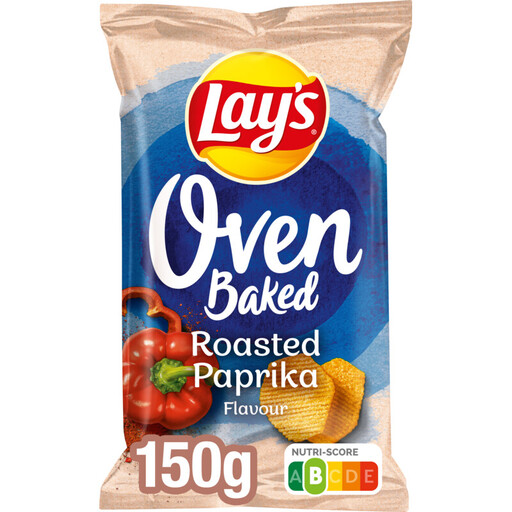
Lay's Oven Baked Paprika 150 g
An oven-baked paprika variety in a 150 g bag, for comparing fat with other nutritional values. Don’t assume ‘oven-baked’ means a particular carbohydrate content: check the current packaging for this variety. The stated allergen information lists milk, so don’t choose it if you need to avoid milk.
View on Joybuy
Frequently asked questions
Can you eat paprika crisps if you have diabetes?
Paprika crisps aren’t necessarily a suitable everyday snack. Diabetes Fonds describes crisps as something to enjoy occasionally and in limited amounts. If you’re keeping track of carbohydrates, check the amount in the portion you actually eat and compare the other nutritional values too.
Do oven-baked paprika crisps contain fewer carbohydrates?
Not necessarily. Albert Heijn lists 69 g of carbohydrates per 100 g for Lay's Oven Baked Roasted Paprika, compared with 54 g for regular Lay's Paprika. Check the nutritional information for the exact variety you’re buying, then calculate your portion.
Are gluten-free or lactose-free paprika crisps also free from other allergens?
No, those claims don’t cover every allergen. Albert Heijn describes AH Chips paprika as gluten-free and lactose-free, but if you have another allergy, check the ingredients and any ‘may contain’ warning on the current packaging separately.
How should you store an opened bag of paprika crisps?
Follow the storage instructions on the packaging and seal the opened bag tightly. Albert Heijn’s product information for the AH, Lay's and Proper varieties mentioned above says to store them in a cool, dry place.


