When choosing paprika crisps for a household with an allergy or dietary restriction, check the current packaging of the exact variant rather than relying on the flavour or brand. Check the ingredients, allergens and any cross-contamination warnings; if you’re choosing a snack for yourself, compare the salt content per 100 g too. Even if the allergen information looks suitable, crisps are not a standard snack for a baby or toddler.
Who is this choice for?
Parents avoiding a specific allergen
If someone in your household needs to avoid milk or sulphites, for example, the allergen information on the exact packet is what matters. Check for a cross-contamination warning too. The Netherlands Nutrition Centre says that the main allergens must be clearly listed on the label; the flavour name won’t tell you which allergens a variant contains.
Parents following a specific diet
If you choose gluten-free, vegan or lactose-free products, look for an explicit claim confirming that feature. Albert Heijn says its AH paprika crisps meet all three criteria. None of these individual claims replaces the need to check for other allergens that may be relevant to your household.
Parents looking for a snack for themselves
When choosing a snack for yourself, you can compare the salt content per 100 g and the pack size. Keep your own choice separate from snacks for young children: the Netherlands Nutrition Centre advises against giving babies food with added salt and recommends snacks from the Dutch Wheel of Five for toddlers and pre-schoolers.
What should you look for?
First, work out which allergen or dietary requirement matters to your household, then read the packaging for the exact variant. Only compare other nutritional information and pack sizes between options that meet your needs.
| What to consider |
What to check when buying |
Who it matters to |
| Specific allergens |
Read the ingredients, allergen information and any cross-contamination warning on the current packet. |
If I need to avoid a particular allergen, I don’t want to rely on the name ‘paprika’. Around 42% of consumers prioritise avoiding a specific allergen. |
| Specific dietary claims |
Check which claim is stated explicitly on the variant, and read the rest of the allergen information too. |
I’m looking for a variant that suits my gluten-free, vegan or lactose-free diet, without reading more into the claim than it says. For around 33% of consumers, this type of specific dietary choice is the main consideration. |
| Salt and family choices |
Compare the salt content per 100 g and check whether the crisps are intended for an adult. |
When choosing a snack for myself, I want to be able to compare the salt content, while choosing something else for my young child. An estimated 17% of consumers prioritise this consideration. |
| Pack size and product information |
Check the packet size and, when buying, read the ingredients and allergen information on the packaging. |
I want to choose a pack that suits how I’ll use it, but only if I can also check the packaging. Around 8% of consumers focus on pack size and accessible product information. |
Common mistakes
-
Assuming all paprika crisps contain the same allergens
According to Jumbo, the Jumbo Paprika Crisps checked contain milk; for Smiths Sticks Paprika, Jumbo lists milk and sulphur dioxide/sulphites. So the flavour name is not a reliable guide to allergens.
Make a note of the allergens you need to avoid and compare them with the current packaging of the exact variant you want to buy, including any cross-contamination warning.
-
Treating a dietary claim as a general allergen guarantee
Gluten-free, vegan and lactose-free describe different things. One of these claims does not automatically tell you whether another allergen is present.
As well as checking the relevant claim, read the full ingredients and allergen information.
-
Giving crisps with suitable allergen information to a young child
Allergen information doesn’t change the age-related advice: the Netherlands Nutrition Centre advises against giving babies food with added salt and recommends snacks from the Dutch Wheel of Five for toddlers and pre-schoolers.
Keep paprika crisps as a snack for yourself separate from the snacks you choose for a baby or toddler.
Brands and variants to consider
A brand name doesn’t tell you whether every paprika variant suits your dietary needs; the details below apply to the products listed.
Lay’s
Lay’s has several paprika variants and pack sizes.
- The Joybuy product page for Lay’s Paprika Crisps 100 g says this specific product contains none of the 14 main EU allergens.
- This information doesn’t automatically apply to another pack size or Lay’s variant; always check the current packaging.
Albert Heijn
AH paprika crisps are a supermarket own-brand variant with specific dietary claims on the Albert Heijn product page.
- Albert Heijn describes this variant as gluten-free, vegan and lactose-free.
- These claims apply to this variant only. Albert Heijn recommends checking the packaging, as product information may change.
Jumbo
Jumbo Paprika Crisps are a standard supermarket own-brand variant.
- Jumbo’s product information lists 1,20 g of salt per 100 g, so you can compare this figure with other labels on a per-100 g basis.
- According to Jumbo’s allergen information, this variant contains milk and is not suitable if you need to avoid milk.
Smiths
Smiths Sticks Paprika are a shaped snack with paprika flavour, rather than regular paprika crisps.
- Jumbo lists 1,3 g of salt per 100 g for this variant.
- Jumbo also lists milk and sulphur dioxide/sulphites as allergens. The shape of the snack doesn’t change this information.
Snack Day
Snack Day Paprika crisps are part of Lidl’s in-store range.
- Lidl lists this paprika variant as a product available in store.
- Before choosing this variant, check the packet in store for ingredients, allergens and nutritional information.
Sun Snacks
ALDI lists Sun Snacks Paprika Crisps in a 250 g pack.
- The stated pack size makes it easy to identify the size of this variant.
- If you have a specific dietary restriction, check the ingredients and allergens on the current packaging.
Paprika crisps as a snack for parents
These Joybuy products are paprika variants for anyone considering crisps as a snack for themselves. If you have an allergy or dietary restriction, only choose a pack after checking the current packaging for the exact size for relevant ingredients, allergens and any warnings.
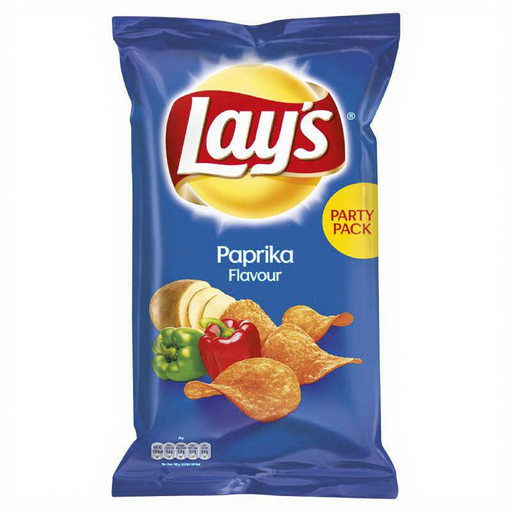 Image unavailable
Lay’s Paprika Crisps, 300 g
A paprika variant for a snack for yourself; the bag contains 300 g. Check the allergen information for this pack size on the current packaging, and compare the salt content per 100 g if you wish.
View at Joybuy
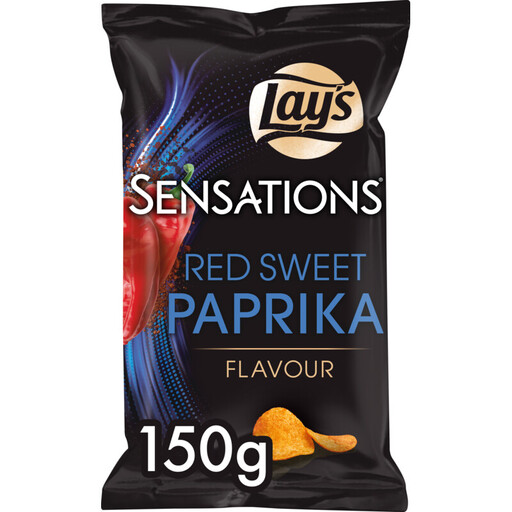 Image unavailable
Lay’s Sensations Red Sweet Paprika, 150 g
A sweet paprika-flavoured variant for a snack for yourself; the bag contains 150 g. If you have a dietary restriction, read the allergen information for this exact variant and check the salt content per 100 g on the packaging.
View at Joybuy
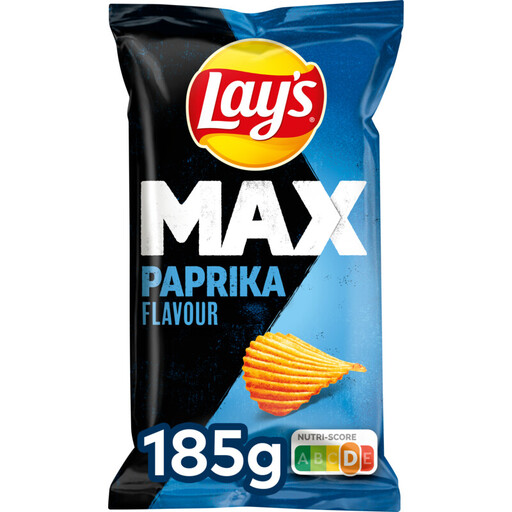 Image unavailable
Lay’s Max Smoky Paprika, 185 g
A smoky paprika-flavoured variant for a snack for yourself; the bag contains 185 g. If you have an allergy, check the current ingredients, allergens and any warnings on this packet before choosing it.
View at Joybuy
Frequently asked questions
Are paprika crisps automatically free from milk or sulphites?
No, the flavour doesn’t tell you which allergens a product contains. According to Jumbo, Jumbo Paprika Crisps contain milk, while Smiths Sticks Paprika contain milk and sulphur dioxide/sulphites; always check the exact variant.
Are ‘gluten-free’, ‘vegan’ or ‘lactose-free’ claims enough if you have a food allergy?
Not if you also need to avoid another allergen. Albert Heijn lists these three features for its AH paprika crisps, but you should also check the full allergen information and any warnings on the packaging.
Can I use ingredient information online to choose paprika crisps?
Yes, as a first step; check the packaging again before eating the crisps. Albert Heijn notes that ingredient, nutritional and allergy information may change.
Are paprika crisps a standard snack for a baby?
No. The Netherlands Nutrition Centre advises against giving babies food with added salt; suitable allergen information on a packet of crisps doesn’t change this advice.
How do I compare the salt content of different packets?
Compare the salt content per 100 g, so packs of different sizes are measured on the same basis. Also think about how much of the packet you plan to eat; the figure per 100 g isn’t automatically the amount per serving.


