
Vandaag of morgen in huis

Kwaliteit gegarandeerd

Welkomstaanbiedingen ontgrendelen: GRATIS bezorging | Tot 80% korting | Gratis 30 dagen JoyPlus-proefperiode
Download de app
Paper tissues may seem simple, but the differences between packs are significant. A small pocket size is handy for your coat pocket, while a large multipack is better suited to a family household. The number of ply, the composition and any added ingredients also determine whether a product is suitable for daily use.
Watch out for these common pitfalls:
The number of ply indicates how many layers of paper are folded together. 3-ply tissues are often a practical choice for nose, hands and face. 4-ply tissues can offer more strength, but usually take up a little more space.
Don’t just compare the number of ply – also consider:
A pack of 18 sachets sounds generous, but may contain only a few tissues per sachet. For everyday use at home, a family pack with larger boxes is often more efficient. For a bag, school or commuting, pocket tissues are more practical.
Many paper tissues are made from wood pulp. Some variants state in the product description that they use 100% virgin wood pulp, while other products mention cotton or bamboo pulp. This tells you something about the material, but not automatically about how everyone will experience the product.
When it comes to facial tissues, look out for any added ingredients:
If a brand mentions a special effect or skin benefit, do not present this as a guaranteed result. According to the brand’s product information, a lotion tissue may, for example, give a smoother feel. Stop using it if irritation occurs and follow the label.
A good pocket size should fit easily into a coat pocket, handbag or rucksack without opening accidentally. For home, boxes or larger packs are more convenient – for example, in the office, living room or beside the bed.
Store tissues in a dry place away from direct sunlight. Moisture can damage the packaging and the paper. Dispose of used tissues in the bin and do not flush them down the toilet. Even biodegradable or strong tissues can cause blockages.
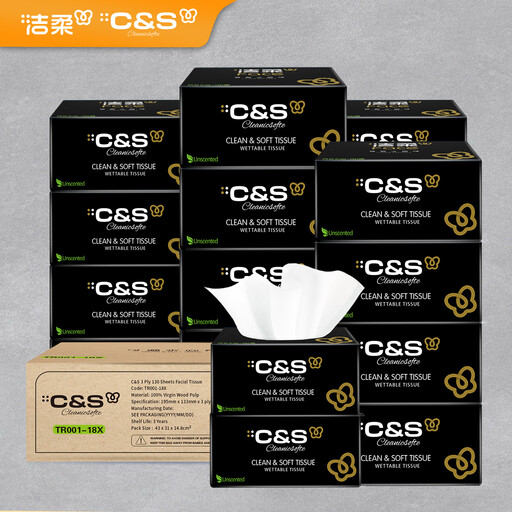
Why this fits the profile: This set is aimed at anyone looking for a generous supply of facial tissues for daily use, without relying solely on a pocket format.
The specifications state 3 ply, 130 tissues per pack and 18 packs. This means you can check the contents rather than just comparing the number of packs.
3-ply construction, 130 tissues per pack and a set of 18 packs. According to the product information, the material is 100% virgin wood pulp.
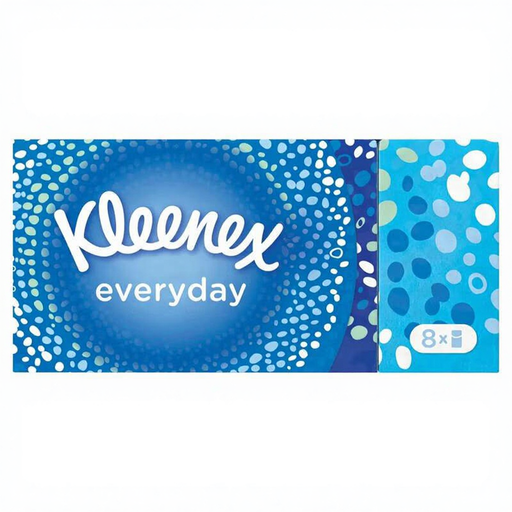
Why this fits the profile: The compact size suits commuters, travellers and parents who want tissues to carry with them on the go.
The product details clearly state 8 packs with 9 tissues per pack. This means the total contents of 72 tissues can be checked in advance.
Pocket size, 8 individual packs and 72 tissues in total. The product description describes the tissues as soft, strong and absorbent; this is a brand description and not a guaranteed result for every user.
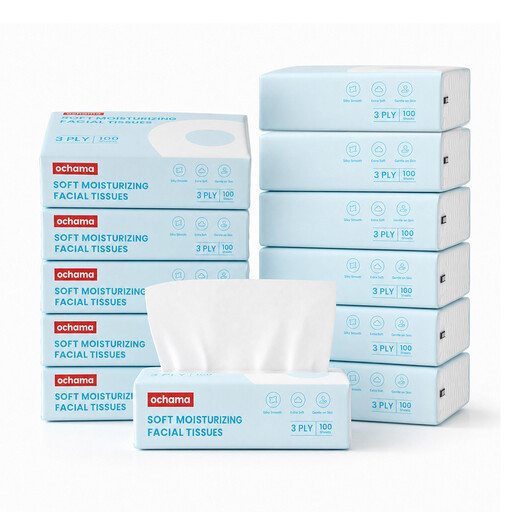
Why this fits the profile: This family pack is designed for households that use tissues frequently and prefer to order new packs less often.
The packaging states 12 packs of 100 tissues, totalling 1200 sheets. The composition mentions a lotion layer with glycerine; check the label if you have sensitive skin.
3-ply tissues, 1200 pieces and 12 packs. According to the product information, the paper contains a moisturising coating with glycerine. This product is a consumer item and not a medical device.
We have put together a full, up-to-date list of products that fully meet these strict selection criteria and comply with current European safety regulations.
That depends on the application. 3-ply tissues are often practical for nose, face and hands. 4-ply tissues can feel stronger, but are not automatically softer. Also compare the size, fibre structure and number of tissues per pack.
Paper tissues generally do not have a short shelf life as long as they are stored dry and clean. However, do check the expiry or product information on the packaging, especially with moisturising tissues. Seal opened packs properly and do not store them in a damp bathroom.
The price per pack can be misleading. Divide the total price by the total number of tissues and then compare products with the same number of ply and a similar size. A multipack of tissues is not necessarily better value if each pack contains very few sheets. For a family, a large family pack can be practical; for occasional use, individual pocket tissues are often sufficient.
