
Vandaag of morgen in huis

Kwaliteit gegarandeerd

Welkomstaanbiedingen ontgrendelen: GRATIS bezorging | Tot 80% korting | Gratis 30 dagen JoyPlus-proefperiode
Download de app
Panty liners may seem straightforward, but the differences between models are significant. A slim liner designed for vaginal discharge isn’t automatically suitable for light bladder weakness. What’s more, fragrance, the wrong length, or a fit that shifts can cause irritation and lead to unnecessary purchases.
As a Joybuy Product Recommendation Officer, I focus on verifiable features: absorption type, dimensions, material, fit, and quantity. This way, you can compare products on practical grounds rather than flashy marketing terms.
Regular panty liners are typically intended for daily discharge, light spotting, and protecting your underwear. They are not the same as sanitary pads or incontinence pads for women.
For light bladder weakness, a thin incontinence pad is often more suitable. Products in this category are usually shaped differently and have a core designed to absorb moisture more quickly. Always check whether the packaging says panty liner, sanitary pad, or urinary incontinence.
An added fragrance might seem appealing to some users, but it isn’t necessary for protection. If you are sensitive to perfume, it’s wise to look for unscented panty liners or products labelled “0% fragrance”. Also, note the difference between odour control and perfume: a product may claim to help limit odour yet still contain a light fragrance.
A pack with more pieces isn’t always better value if the product doesn’t suit your needs. Pay attention to:
A product that shifts or is too small offers little benefit, even if the pack seems cheap.
For daily discharge and light, irregular menstruation, standard panty liners are often sufficient. For menstruation, sanitary pads are usually more suitable, especially when the volume of moisture is greater. If you want extra security during your period, look for sanitary pads with wings, as the wings secure the pad around your underwear.
For light bladder weakness, variants such as Tena Discreet or Always Discreet are specifically labelled as medical devices or incontinence products. Follow the instructions on the packaging and don’t choose a standard panty liner if you consistently need more absorbency.
Extra-long panty liners offer more coverage at the front and back. This can be practical for longer working days, light menstruation, or when standard variants don’t provide enough coverage. A string liner, on the other hand, has a narrower shape and is designed for thong underwear.
Also check whether the product has wings. Wings can help keep a sanitary pad in place, but they aren’t standard on panty liners.
If you prefer a lighter feel, look for terms like breathable panty liners. In product descriptions, this usually refers to a material or backing that the manufacturer claims allows air and heat to pass through more effectively. That’s no guarantee it will feel comfortable for every skin type.
Cotton panty liners often have a cotton top layer. Do check whether “cotton” refers to the entire pad or just the top layer. For example, Always Dailies Cotton Protection Large specifies a top layer made from 100% organic cotton. For sensitive skin, an unscented variant can also be a practical choice.
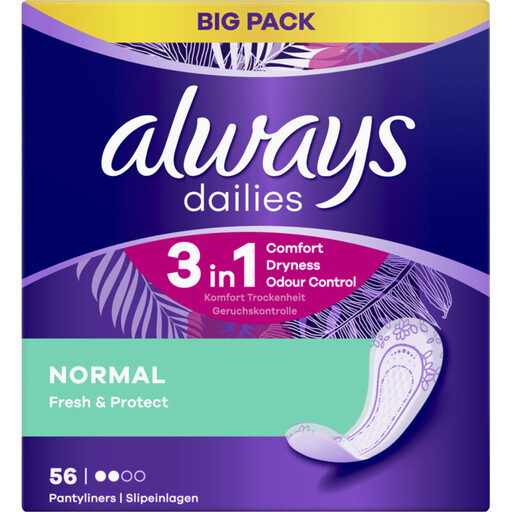
Why this fits the profile: The pack contains 58 pieces and the product description states 0% perfume. This makes it a practical choice for daily use and regular changes.
The clear mention of 0% perfume prevents you from accidentally choosing a fragranced “fresh” variant.
58 pieces, absorbent core, and according to the product description, a breathable design that helps limit a warm feeling.
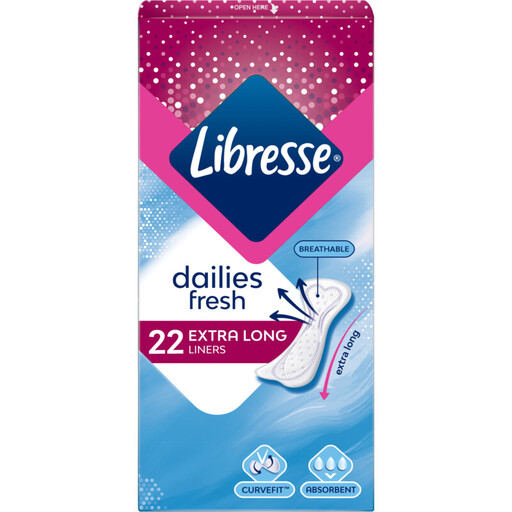
Why this fits the profile: This extra-long variant combines more coverage with a soft top layer, CurveFit shape, and an unscented design.
The length and fit are clearly specified, so you’re less likely to buy a standard variant that doesn’t offer enough coverage.
22 pieces, extra-long design, unscented, and breathable according to the product information.
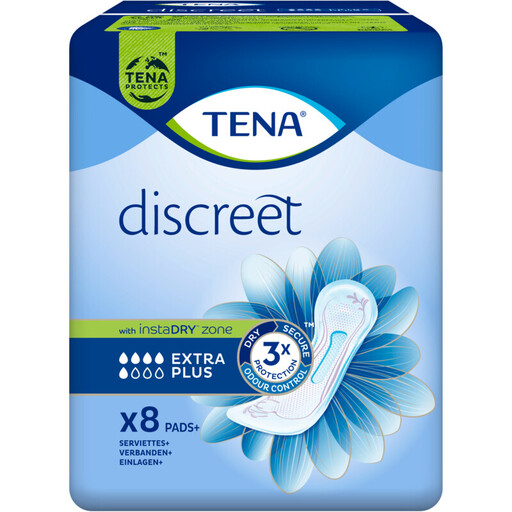
Why this fits the profile: According to the product information, this product is intended for light bladder weakness and is labelled as a medical device.
It prevents confusion between a daily panty liner and a product for bladder weakness by explicitly stating its intended use.
Instadry zone according to the product description, anatomical shape, odour control, and 12 pieces per pack.
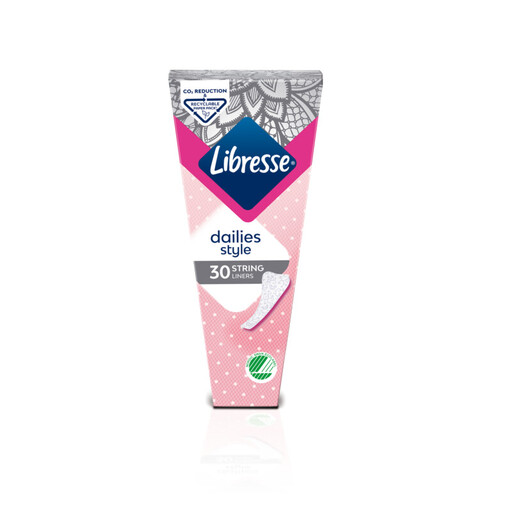
Why this fits the profile: The narrow shape is designed for thong underwear, and the product description mentions an unscented, breathable design.
The special thong shape reduces the chance that a standard, wider panty liner won’t fit properly.
30 pieces, extra thin, unscented, and with a breathable backing according to the product data.
We’ve put together a full, up-to-date list of products that fully meet these strict selection criteria and comply with current European safety regulations.
That depends on the product and your usage. Many product descriptions recommend changing after a few hours or as soon as the liner feels damp. Always check the packaging. A panty liner is designed for single use only.
Panty liners are generally thinner and intended for daily discharge, light spotting, or extra protection for your underwear. Sanitary pads are made for menstruation and usually have a larger absorbent core. For more moisture or bladder weakness, incontinence pads for women are a more targeted choice.
An unscented variant can be a practical option if you want to avoid perfume. Also check the full material information and stop if irritation occurs. Labels such as “dermatologically tested” describe a product feature, but don’t guarantee that every user will have the same experience.
