
Lunch-makers short on preparation time
If you’re making pancakes for several people and don’t want to buy milk or eggs for the batter, look for a complete mix that only needs water. Check separately what you’ll need to cook the pancakes.


Choose a pancake mix for your school holiday lunch based on what matters to your group, not the word ‘premium’. A flavoured mix is ideal for a treat, a complete mix means fewer additions to the batter, while an organic or wholemeal mix offers a different ingredient profile. If you need a gluten-free option, check that the pack is explicitly labelled gluten-free and check the other allergens too. Whatever you choose, look at what you need to add and how many pancakes each pack makes.
If you’re making pancakes for several people and don’t want to buy milk or eggs for the batter, look for a complete mix that only needs water. Check separately what you’ll need to cook the pancakes.
Organic ingredients, wholegrain cereals or added flavour can all influence your choice. Compare the ingredients and any additions needed for each mix, as these can vary even within the same brand.
If someone needs to eat gluten-free, a standard multigrain or wholemeal mix won’t necessarily be suitable. Look for an explicit gluten-free label and check the other allergens on the pack too.
First, decide what matters most for this lunch: less preparation, a special flavour, a particular ingredient profile or checking for allergens. Then compare how many pancakes each pack makes and what you’ll need to add yourself.
| What to consider | What to check before buying | Who is this important to? |
|---|---|---|
| Minimal preparation | Check what you need to add to the batter and how many pancakes a pack makes. | If lunch comes together spontaneously, I don’t want to have to buy extra ingredients for the batter first. Around 27% of consumers would prioritise less preparation. |
| Special flavour | See what flavouring it contains and whether one pack will be enough for your group. | For a group holiday activity, I want a flavour that’s different from plain pancakes. For around 27% of consumers, a treat like this would be the main reason for choosing a mix. |
| Organic or wholemeal | Compare the certification label or the types of flour listed. Only compare nutritional values on the same basis, for example per 100 g of prepared product. | I’m mainly looking for organic ingredients or wholemeal flour, and I don’t mind taking a few extra steps to prepare it. For around 26% of consumers, this ingredient profile would be the most important factor. |
| Gluten and other allergens | Read the current ingredients list and allergen information. If you need a gluten-free option, check that the pack is explicitly labelled as such. | If someone eating with us needs to avoid gluten, I need to check first whether the mix is suitable for them. For around 20% of consumers, this essential check would determine their choice. |
‘Just add water’ describes how to make the batter, not the ingredients already in the mix. PLUS lists wheat, milk and egg among the ingredients in its complete mix.
Read the ingredients list and allergen information on the pack you’re buying, especially if someone needs to avoid certain ingredients.
The stated yield varies by mix: PLUS says Koopmans Speculoos makes around eight pancakes, while Koopmans says its Organic Multigrain mix makes 13 to 15.
Compare the yield per pack with the number of people eating before deciding how many packs you need.
A value for a dry mix isn’t directly comparable with one for prepared pancakes. Any ingredients you add yourself also form part of the finished meal.
Check whether the nutritional information is per 100 g of unprepared or prepared product, and only compare values on the same basis.
When choosing a product with allergens in mind, the information on the product you actually use is what matters. The Netherlands Food and Consumer Product Safety Authority stresses the importance of clear allergen information on food labels.
Check the physical pack again before buying and preparing the mix, even if you’ve bought the same one before.
These brands offer different types of pancake mix. Compare the features and allergens of each product, rather than relying on the brand name.
Options for different preparation methods and ingredient preferences.
AH own-brand mixes, including complete, organic multigrain and spelt options.
Own-brand mixes, including complete, wholemeal and organic pancake options.
Own-brand wholemeal and complete mixes, with different preparation methods.
ALDI own-brand multigrain pancake mix.
Lidl own-brand original pancake mix.
These mixes offer options for a school holiday lunch where the main differences are what you need to add, the types of grain and how many pancakes each pack makes.
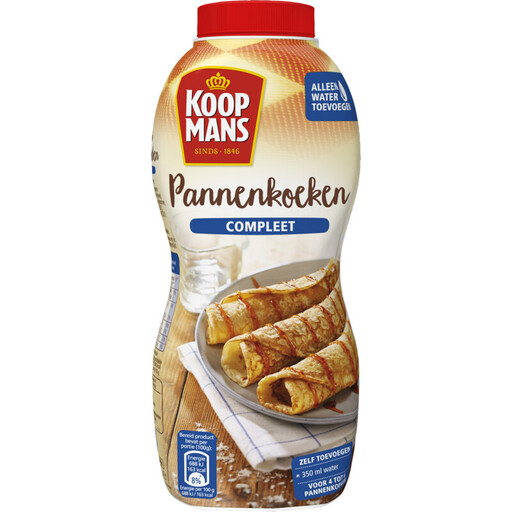 Image unavailable
A good choice for a lunch where you want to add very little to the batter: according to the product description, you add water to the shaker. If you’re feeding a larger group, don’t assume one bottle will be enough; it makes 4 to 6 pancakes.
The product information lists wheat, egg and milk. Check the current allergen information on the pack.
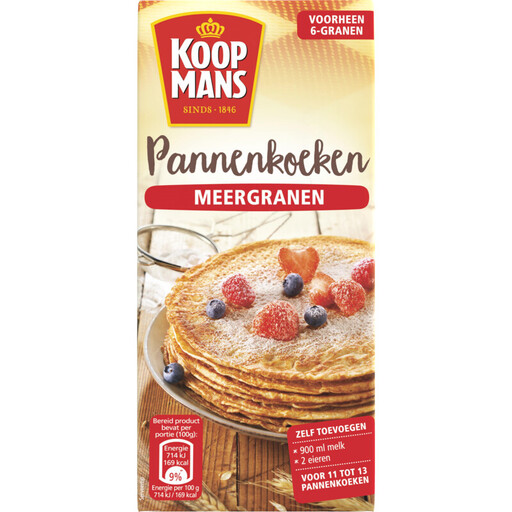 Image unavailable
A good option if you’re looking for a mix with wholegrains for your lunch. When planning, remember that you’ll need to add milk, eggs and cooking fat or oil; according to the product description, one pack makes 11 to 13 pancakes.
Don’t assume it’s organic or gluten-free based on the name. Check the ingredients and allergens on the pack.
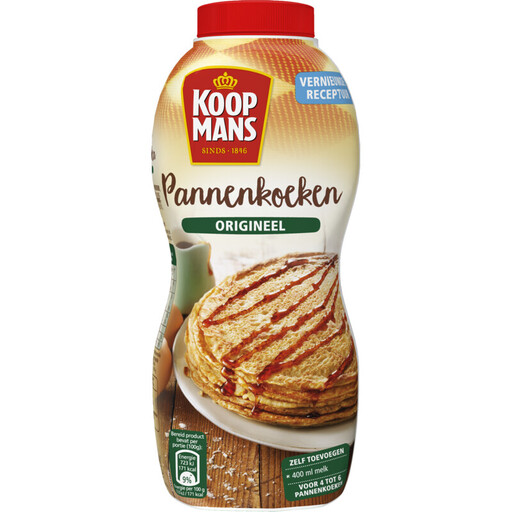 Image unavailable
The shaker bottle can be handy for a small lunch when you want to measure out less, but according to the product description, you need milk rather than water for the batter. It makes 4 to 6 pancakes.
If you’re choosing with allergens in mind, check the current packaging; the product information lists wheat, rye and egg, among other ingredients.
Only if a specific feature suits what you’re looking for, such as a special flavour, particular ingredients or fewer additions to the batter. Compare the yield, preparation steps and allergens too before you choose.
Not necessarily: ‘just add water’ refers to what you add to the batter. PLUS lists whey powder from milk and egg powder among the ingredients in its complete mix, so always read the ingredients list and allergen information on the pack you choose.
At the very least, check the ingredients, clearly highlighted allergens, date and nutritional information. Your Europe describes these as part of the EU labelling rules for pre-packed foods; use the details on the pack you actually buy.
Don’t taste Koopmans Complete batter raw. Koopmans says this batter must be cooked thoroughly; for other mixes, follow the preparation instructions on the pack too.