
Home cooks with ingredients to hand
If you already have milk, eggs and cooking fat ready, you can make pancakes with a plain mix before setting off. Check the packet to see what you need to add to that particular mix.


Choose a plain mix if you can cook the pancakes before setting off and already have the ingredients you need at home. A complete mix means fewer separate ingredients, but you’ll still need to cook the pancakes. If you want something ready to eat during the journey, cook them in advance and make sure you can keep them chilled.
If you already have milk, eggs and cooking fat ready, you can make pancakes with a plain mix before setting off. Check the packet to see what you need to add to that particular mix.
A complete mix can reduce the number of separate ingredients you need. Even if you only cook at a suitable stop, you’ll still need a pan and a heat source.
Dry mix isn’t a snack for the car. If you won’t be able to cook during the journey, make the pancakes in advance and plan how you’ll keep them chilled.
First decide whether you’ll cook before setting off or somewhere with cooking facilities. Then compare what you need to add, how many pancakes you’ll need and whether the ingredients are suitable for everyone travelling with you.
| What to consider | What should you check? | Who is this most important for? |
|---|---|---|
| Ingredients at home | Check which ingredients you need to add to your chosen plain mix, and see what you already have. | If I’m cooking at home, I want to use ingredients I already have in my kitchen. This is the deciding factor for an estimated 36% of consumers. |
| Preparation during the journey | Check what you need for a complete mix or bottle mix, and whether you can use a pan and heat source. | I don’t want to travel with lots of separate ingredients, but I can cook at a suitable stop. This is the main priority for around 29% of consumers. |
| Quantity | Compare the pack size with the stated yield and the number of people who’ll be eating. | I want to make enough pancakes for everyone travelling with me, without underestimating how much mix I’ll need. Around 21% of consumers ask this first. |
| Ingredients and allergens | Read the current label and check the ingredients you’ll be adding yourself, too. | If someone in my group needs to avoid certain ingredients, I want to be able to check the full list. This is the first consideration for around 14% of consumers. |
A plain mix may need milk, eggs and cooking fat. Without these ingredients, you won’t be able to follow the instructions on the packet.
Read the preparation instructions before you set off and get everything you need for that mix ready.
A bottle can make mixing easier, but you’ll still need to prepare the batter and cook the pancakes. For example, the PLUS bottle mix needs milk.
Choose a bottle mix only if you have the required ingredients and somewhere to cook. If you want to eat during the drive, cook the pancakes beforehand.
Cooking in advance means you won’t have to prepare them during the journey, but you’ll still need to think about how to store them. The Netherlands Nutrition Centre recommends keeping pancakes in the fridge for two days or in the freezer for three months.
Store them in a sealed container and arrange a way to keep them chilled that’s suitable for the length of your journey.
The words ‘plain’ and ‘complete’ don’t tell you which allergens a particular mix contains. Ingredients vary from one product to another.
Check the current label, as well as anything you add to the batter yourself.
ALDI’s own brand offers a 400 g plain pancake baking mix.
PLUS offers a plain mix, a complete mix and a plain bottle mix. Each requires different preparation.
AH offers a 400 g plain mix that you prepare by adding your own ingredients.
Jumbo offers both a plain mix and a 400 g complete pancake mix.
Koopmans offers varieties including Pannenkoeken Origineel and Pannenkoeken Compleet.
Belbake Pannenkoekenmix origineel is a 400 g mix listed by Lidl as an in-store product.
These mixes are designed for cooking pancakes yourself: some are suited to a small batch, while another could make a larger stack before you set off. Check the ingredients to add and the preparation instructions on each pack. None of these mixes is a ready-to-eat road trip snack.
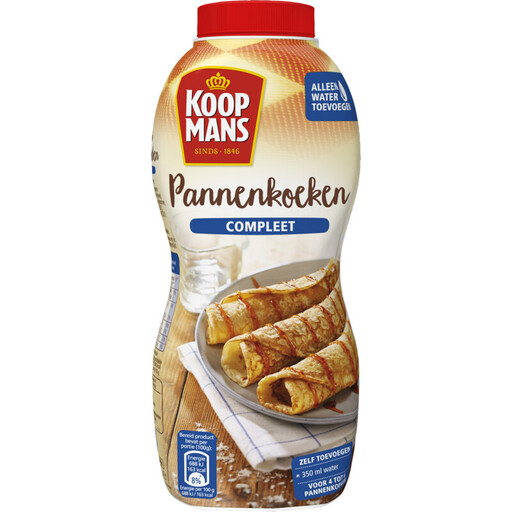 Image unavailable
An option to consider if you’re looking for a smaller pack and can cook in a pan somewhere along the way. Check the bottle to see what you need to add, and whether the quantity is right for your group.
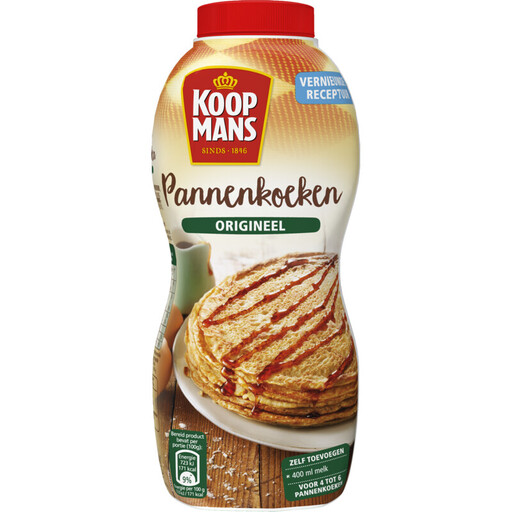 Image unavailable
The shaker pack is handy if you want to prepare the batter without a separate mixing bowl. Check which liquid you need to add, and remember that you’ll still have to cook the pancakes.
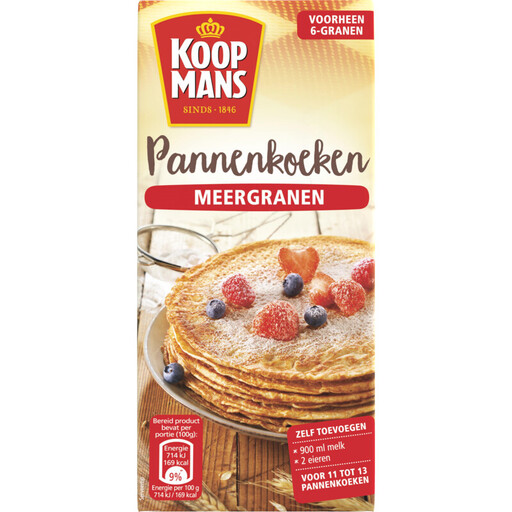 Image unavailable
A mix to consider if you want to cook pancakes at home for several people travelling with you. Before preparing it, check which ingredients you need to add. If you have dietary requirements, read the current label.
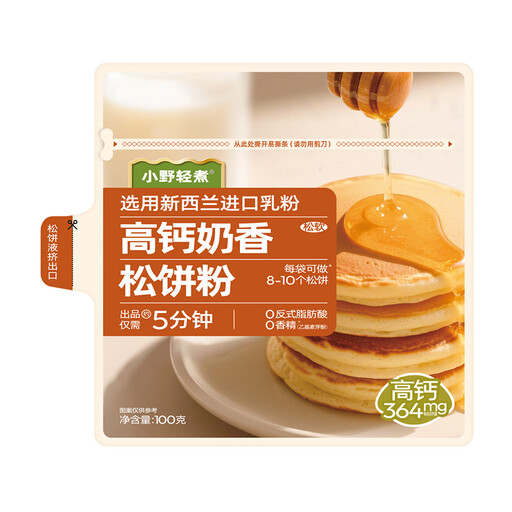 Image unavailable
The 100 g pack is smaller than the other mixes in this selection. Before choosing it for a group, check the packet to see what you need to add and how many pancakes it makes.
No. Dry pancake mix is an ingredient, not a ready-to-eat snack. Prepare the batter according to the packet and cook the pancakes. If you want something to eat during the journey, do this before setting off.
Keep them in a sealed container in the fridge if you’re taking them with you. The Netherlands Nutrition Centre recommends keeping pancakes in the fridge for two days or in the freezer for three months. Make sure you have a suitable way to keep them chilled during the journey.
For the batter of the PLUS and Jumbo complete mixes mentioned here, you use water. But you’ll also need cooking fat, a pan and a heat source to cook the pancakes. Always follow the instructions for the specific pack.
Read the current label on the mix you’ve chosen, and check the ingredients you’ll be adding yourself, too. The Netherlands Food and Consumer Product Safety Authority says that 14 allergens must be listed on the labels of pre-packed foods.