What should you look for when choosing?
Decide how many pancakes you want to make, then choose how many additional ingredients you’re happy to add. Before buying, check the label for any dietary requirements.
| What to consider | What to check when buying | Who it matters to |
|---|
| Portions and stock |
Compare the stated yield per pack with the portions you’re planning. Check whether a multipack contains individual packs. |
If I’m cooking for several people, I want to make enough pancakes without having unopened packs left over. Around 45% of consumers would therefore consider portions and stock their top priority. |
| Preparation |
Check which liquid, other ingredients and cooking fat you’ll need. |
If I want to get started quickly, I don’t want to have to buy separate ingredients for the batter first. For around 27% of consumers, preparation would be the deciding factor. |
| Dietary requirements and allergens |
Read the current ingredients list, highlighted allergens and any cross-contamination information on the packaging. |
If a guest needs to avoid certain ingredients, I want to know whether this particular pack is suitable. Dietary requirements and allergens would be the top priority for around 18% of consumers. |
| Comparing like for like |
Compare the pack weight, stated yield and additional ingredients required. |
When comparing different packs, I want to know how much batter I can actually make. For around 10% of consumers, this would be their first priority. |
Pancake mixes at Joybuy
These packs are useful for comparing a 400 g pack with smaller shaker packs. For each product, check how much batter you want to make and what you’ll need to add.
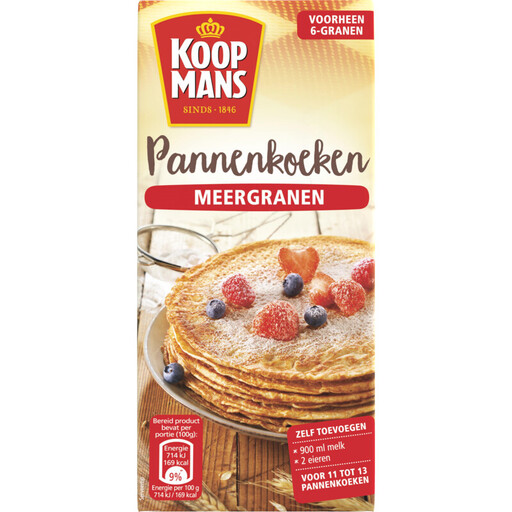 Image unavailable
Koopmans Wholegrains pancake mix 400 g
A 400 g pack to compare with the number of pancakes you want to make for your group. You’ll need to add milk, eggs and cooking fat to this mix; check the quantities and allergens on the packaging.
View at Joybuy
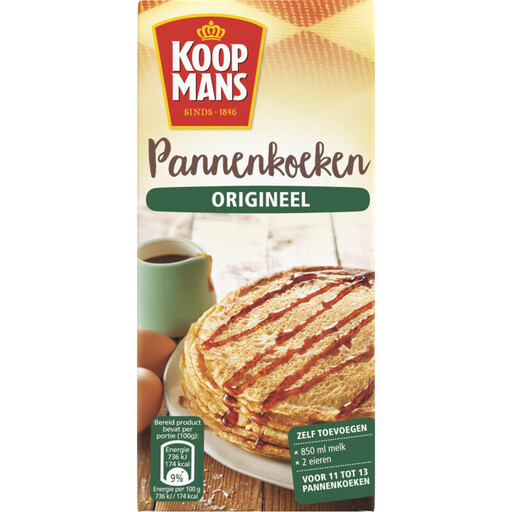 Image unavailable
Koopmans Original pancake mix 400 g
This 400 g Original mix is a good option if you want to add the basic ingredients yourself. Koopmans says each pack makes 11 to 13 pancakes; remember to allow for milk, eggs and cooking fat, and check the label if you have allergies.
View at Joybuy
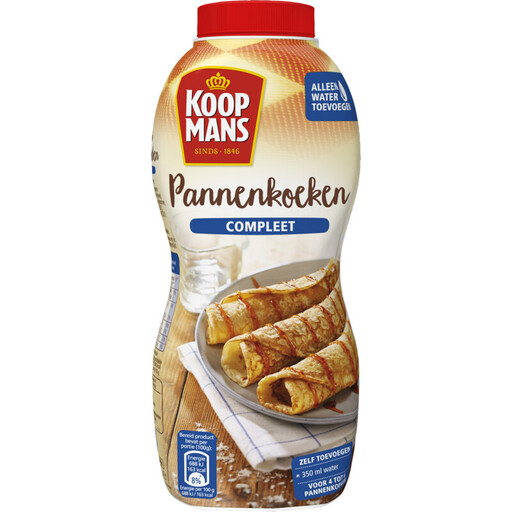 Image unavailable
Koopmans Pancakes Complete 210 g
The 210 g pack is an option if you want to make a smaller amount of batter and add water. Check the yield for your group; even with this Complete mix, you’ll still need to cook the pancakes. Check the label if you have allergies.
View at Joybuy
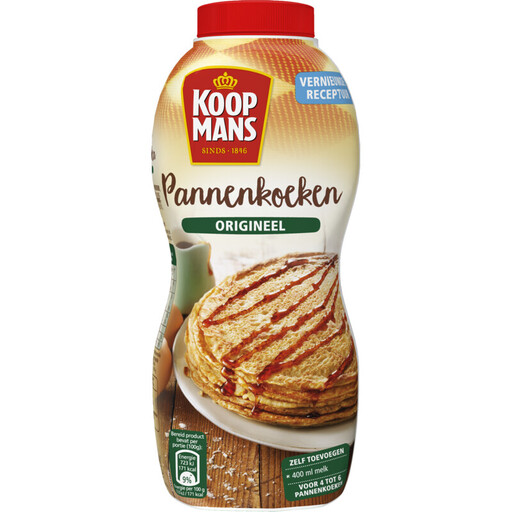 Image unavailable
Koopmans Shaker Pancakes 175 g
This 175 g shaker pack is suited to making a smaller amount of batter. Add milk and mix the batter in the pack; before cooking, check how much milk you need, the yield and the label.
View at Joybuy
Frequently asked questions
How much pancake mix do I need for a shared meal?
Start with the number of pancakes you want to serve and compare it with the yield on the pack. Koopmans says its 400 g Original mix makes 11 to 13 pancakes and its 400 g Complete mix makes around 10; Lidl says its 400 g Belbake Original mix makes around 12. A 3-pack is most useful if you’ll use the individual packs later too.
Is a Complete mix handy for an Italian-themed evening?
Yes, if you want to avoid adding lots of separate ingredients to the batter. According to the product information, you add water to Koopmans Complete, whereas Koopmans Original requires milk and eggs. You can bring the Italian theme to life with the toppings; check what else you’ll need to cook each mix.
Can I taste raw pancake batter?
It’s best not to taste batter containing raw egg. Voedingscentrum points out that raw egg can contain harmful bacteria, so cook the batter before eating it.
How should I store leftover pancakes after dinner?
Store leftover pancakes in a sealed container in the fridge or freezer. Voedingscentrum recommends keeping cooked pancakes for two days in the fridge and three months in the freezer.
Where can I check allergens and gluten-free claims?
Check the ingredients, highlighted allergens and any cross-contamination information on the packaging you buy. The Netherlands Food and Consumer Product Safety Authority explains allergen labelling; a gluten-free claim doesn’t replace checking the label if you also need to avoid other ingredients.


