
If you want to serve easy-to-handle pancake wedges
You want to offer small, thoroughly cooked portions with coffee. Check the result before cutting the pancake into wedges: the mix doesn’t determine the final thickness or texture.


Choose a complete pancake mix if you want to keep preparation simple for a small coffee break; with a standard mix, you choose which ingredients to add. Neither option guarantees firm, easy-to-cut wedges: preparation and portion size also matter. If someone has difficulty chewing or swallowing, follow their individual advice on the right food consistency rather than trying to make the pancakes thicker.
You want to offer small, thoroughly cooked portions with coffee. Check the result before cutting the pancake into wedges: the mix doesn’t determine the final thickness or texture.
You’re looking for an easy option for a small coffee break. A complete mix or shaker bottle could work well, but check which ingredients you still need to add and how much batter it makes.
You’re checking the grains, allergens and nutritional information for the person who’ll be eating. The Netherlands Nutrition Centre emphasises that older people aren’t a uniform group; individual dietary needs may call for additional advice.
First decide how you want to prepare and serve the pancakes. Then compare the ingredients you’ll need and the label on your chosen product. A mix’s name alone won’t tell you how thick the finished pancakes will be or whether they’ll be suitable.
| What to consider | What to check before buying | Who it matters to |
|---|---|---|
| Easy-to-handle, thoroughly cooked portions | Read the cooking instructions and check the texture before serving. PLUS describes its Complete mix as making a thin layer of batter; it won’t automatically give you a thicker result. | I want to serve wedges that suit the person eating, without assuming that making them thicker is a good solution. Around 42% of consumers prioritise portion size and texture. |
| Simple preparation | Check whether you need to add water, milk or eggs, and how many pancakes the pack is said to make according to the product information. | For a small coffee break, I don’t want to make more batter or do more preparation than necessary. Ease of preparation is a priority for around 33% of consumers. |
| Ingredients and allergens | Compare the grains and nutritional information for each product. If you have an allergy, also check the allergen information and any precautionary warning about possible traces on the current label. | If a guest needs to avoid certain ingredients, I want to be able to check the pack I’ve chosen before I start cooking. For around 25% of consumers, the label is the main consideration. |
A thicker pancake or larger wedge may be harder to chew and swallow. The Long-Term Care Guidelines recommend seeking help from a qualified healthcare professional if someone has difficulty eating or swallowing; Amsterdam UMC explains that the required food consistency can vary from person to person.
If someone has difficulty chewing or swallowing, follow their current individual advice rather than experimenting with thickness yourself.
‘Complete’ describes how the mix is prepared, not whether it is free from allergens. Ingredients can also vary between products from the same brand.
Read the label on the exact pack you’re buying, including the allergen information and any warnings about possible traces.
PLUS says its pancake mix in a bottle should be used immediately after being mixed with milk and not stored.
Make only as much as you need for the portions you want to cook straight away, and follow the instructions for your chosen product.
Koopmans offers a standard mix, a complete mix and a shaker-bottle version. You can compare them mainly by how they’re prepared.
Albert Heijn’s own-brand range includes pancake mixes described as plain, multigrain and wholemeal.
Jumbo offers, among other options, a plain pancake mix and an organic one.
Lidl lists Belbake Original Pancake Mix as a product available in store.
ALDI describes an Albona multigrain pancake mix.
PLUS offers a plain mix in a bottle, a complete mix and a wholemeal mix, each prepared differently.
These pancake mixes offer different pack sizes and preparation methods for a coffee break. Choose based on the ingredients required and the label; check that the cooked portions are done and have the right texture separately.
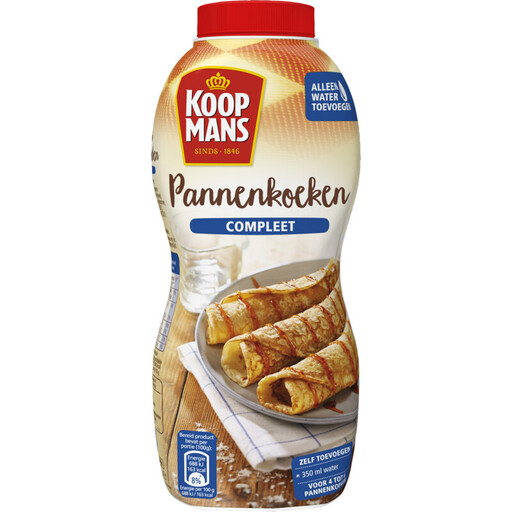 Image unavailable
An option for a small coffee break if you want to add only water to the mix. Joybuy’s product information specifies 350 ml of water; check that the pancakes are cooked through and the portion size is right before serving.
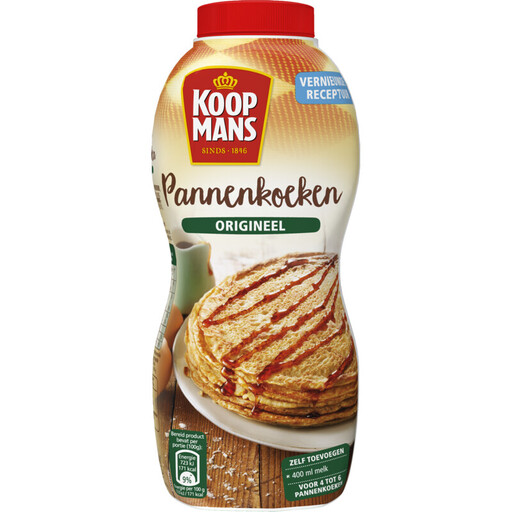 Image unavailable
The shaker bottle could be a good option if you want to make batter with very little kitchen equipment. You’ll need to add milk; read the pack before use and check the texture of the cooked pancakes.
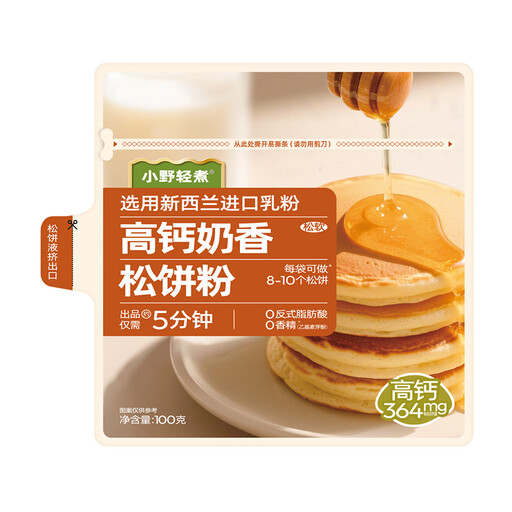 Image unavailable
A 100 g pack for anyone looking for a smaller quantity of mix. Check the preparation instructions and the label; the name doesn’t tell you how thick or easy to cut the cooked pancakes will be.
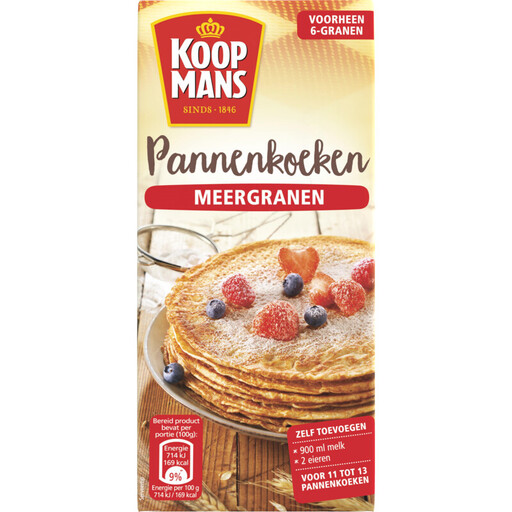 Image unavailable
An option to consider if the grains in the mix are important to you. Compare the ingredients on the label and remember to factor in any extra ingredients you need to add to the batter.
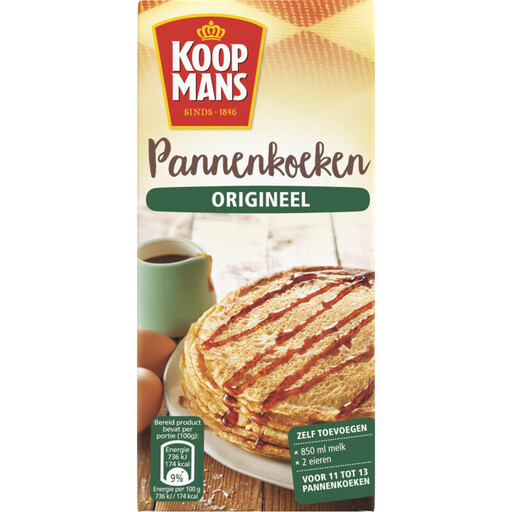 Image unavailable
A standard mix for anyone who wants to choose which ingredients to add to the batter. Koopmans lists milk, eggs and butter for Origineel; follow the instructions on the pack you choose and check the portions once cooked.
Not necessarily: the right thickness and texture depend on the person’s individual advice. Amsterdam UMC explains that food may need a modified consistency for people with chewing or swallowing difficulties; the Long-Term Care Guidelines recommend seeking help from a qualified healthcare professional if someone has difficulty eating or swallowing.
The practical difference is what else you need to add to the batter. According to Albert Heijn, Koopmans Complete only needs water, while Koopmans lists milk, eggs and butter for Origineel. This doesn’t prove that one mix makes thicker pancakes than the other.
Read the allergen information on the pack of the product you’ve chosen. The Netherlands Food and Consumer Product Safety Authority explains how allergens are listed on labels; each time you buy, also check for any warnings about possible traces.
Follow the instructions for the specific bottle mix. PLUS says its bottle mix should be used straight away after being mixed with milk and not stored; don’t assume the same applies to another product.