
Families who want to use what they already have
If you already have milk, eggs and cooking fat at home, you can choose a plain mix without needing to prepare a complete mix. Check how much batter the pack says you can make for your group.


Choose a basic mix if you already have milk, eggs and cooking fat at home. A complete mix means fewer separate ingredients to add, while a wholemeal or gluten-free mix is mainly suitable when that particular quality matters for the occasion. Check the preparation instructions and current label on every pack, especially if you’re taking the pancakes to school.
If you already have milk, eggs and cooking fat at home, you can choose a plain mix without needing to prepare a complete mix. Check how much batter the pack says you can make for your group.
A complete mix or shaker bottle can mean less measuring. Be sure to read the preparation instructions: a complete mix may need cooking fat as well as water, while another shaker mix may need milk.
Check the ingredients and any ‘may contain’ statements on the label. If you’re making pancakes for school or an after-school club, ask about their requirements too. ‘Gluten-free’ on its own tells you nothing about whether a product contains egg or milk.
First, work out which ingredients you have available and how much preparation you want to do. Then check the grains, allergens and instructions on the specific pack.
Suitable when: you already have milk and eggs at home and want to make the batter yourself.
Bear in mind: PLUS also lists butter or oil as an ingredient needed for its plain mix.
Suitable when: you want to prepare fewer separate ingredients.
Bear in mind: according to PLUS, PLUS Complete still needs water and cooking butter or oil.
Suitable when: you specifically want to choose a mix made with wholemeal grains.
Bear in mind: ingredients and additional requirements vary by product; wholemeal does not mean gluten-free.
Suitable when: a gluten-free mix has been requested for the occasion.
Bear in mind: according to the product information, the Koopmans version at Albert Heijn may contain egg and milk.
| What to consider | What to check before buying | Who it matters to |
|---|---|---|
| Using ingredients you already have | Check which milk, eggs and cooking fat the preparation instructions say you need to add. | When I’m making pancakes for a group, I want to use what I already have at home and avoid unnecessary extra shopping. This is the top priority for around 37% of consumers. |
| Minimal preparation | Check which liquid you need and whether you also have to add cooking fat. | When the children are busy, I want to make batter quickly without lots of measuring. This is the most important consideration for around 27% of consumers. |
| Allergens and school rules | Read the ingredients and ‘may contain’ statements; if you’re taking the pancakes to school, ask about the rules there. | When I’m making pancakes for a child or a school event, I need to know whether the ingredients meet the agreed requirements. This check is a priority for around 18% of consumers. |
| Wholemeal ingredients | Check which grains are listed in the ingredients and what the mix requires for preparation. | For a regular mealtime, I want to choose which grains are in the mix. Around 18% of consumers make this their first consideration. |
The product name doesn’t always tell you what else you need to add. According to PLUS, PLUS Naturel requires milk, eggs and cooking fat; PLUS Complete requires water and cooking fat.
Read the preparation instructions before deciding which mix suits what you have at home and your plans.
Albert Heijn states that the gluten-free Koopmans mix may contain egg and milk.
Check the current label for the specific allergen that matters for the child.
Ingredients and potential allergens vary between mixes. Schools and after-school clubs may also have different rules.
Read the label on the pack you’ve bought and check the requirements at the relevant location before packing the pancakes.
The product information for Koopmans Original says that the batter should not be eaten raw and must be cooked thoroughly.
Follow the cooking instructions on the pack you’re using and don’t serve raw batter.
ALDI lists a 400 g pack of Albona plain mix as a store product.
PLUS offers plain, complete and wholemeal pancake mixes.
Jumbo offers plain, complete and wholemeal versions under its own brand.
Albert Heijn’s range includes AH mixes and varieties from Koopmans and Dr. Oetker.
Koopmans offers plain, complete, shaker and gluten-free pancake mixes, among other varieties.
Lidl lists a 400 g pack of Belbake Original Pancake Mix as a store product.
These mixes offer a choice of standard preparation, a complete mix, a shaker and a variety made with several grains. For a children’s get-together, check the ingredients required, pack size and allergens on each pack.
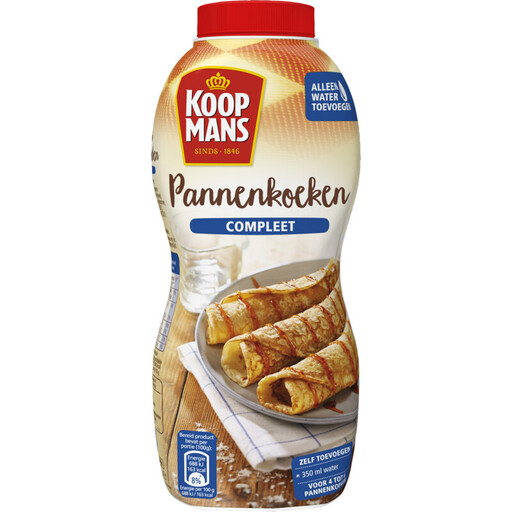 No image available
A complete mix for anyone who wants to prepare fewer separate ingredients. For this 210 g variety, Joybuy’s product information says to add 350 ml of water; check the cooking instructions and allergens on the pack.
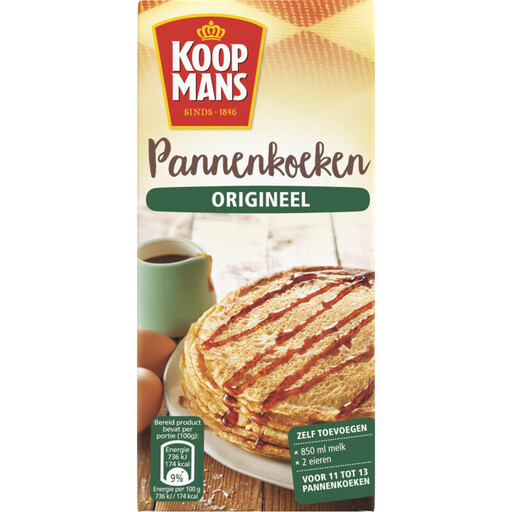 No image available
A standard mix for anyone who wants to make the batter themselves. Check which ingredients you need to add to this 400 g pack; Joybuy’s product information says that the batter should not be eaten raw and must be cooked thoroughly.
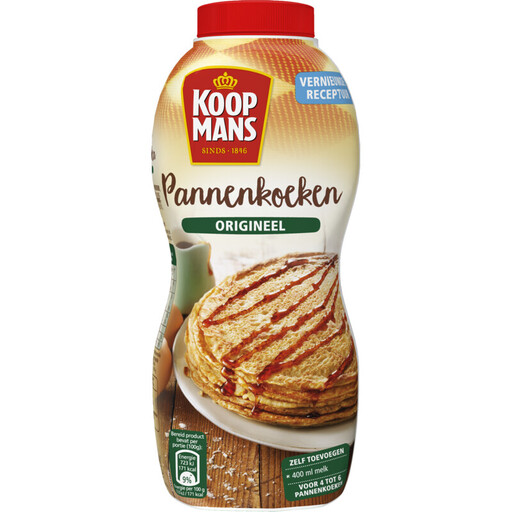 No image available
The shaker format is an option if you want to do less measuring. Check which liquid is needed for this 175 g pack and whether it makes enough batter for your group.
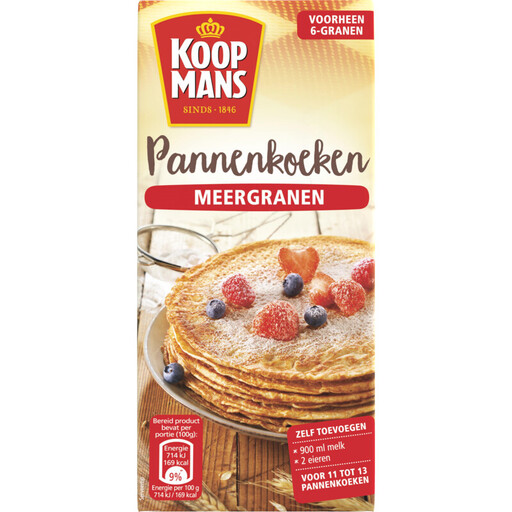 No image available
A variety worth considering if the grains used are important to your choice. Check the ingredients list on this 400 g pack and see what else you need to add during preparation.
 No image available
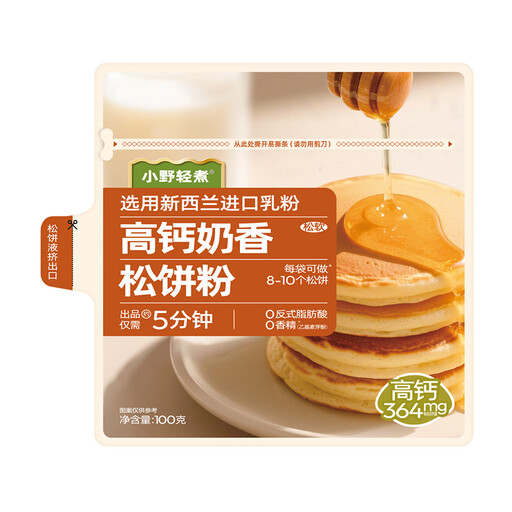
With this 100 g pack, it’s worth checking how much batter you’ll need for your group. Also check the preparation instructions and full allergen information on the label; ‘milk-flavoured’ doesn’t tell you which allergens the product contains.
A plain mix is a sensible option to consider. PLUS lists milk, eggs and butter or oil as ingredients needed for its plain mix; check the instructions on the pack for any other brand.
A complete mix can be useful if you want to prepare fewer separate ingredients. According to PLUS, PLUS Complete requires water and cooking butter or oil; check what’s needed for the mix you’ve chosen before you start cooking.
It’s a reason to check which grains are used in the ingredients list, not an indication that the mix is gluten-free. PLUS lists 75% wholemeal wheat flour and 20% wholemeal oat flour in its wholemeal mix.
Not automatically. Albert Heijn says that Koopmans Glutenvrij may contain egg and milk; always check the current label for the child concerned.
Check the label on the mix you’re using and ask about the rules at the school or after-school club in question. The Netherlands Food and Consumer Product Safety Authority explains how allergens must be listed on the labels of prepacked foods; you’ll also need to check the local rules separately.