What should you look for when choosing?
First decide what matters most for this lunch: a base for different toppings, the grain content, quick preparation or a specific dietary requirement. Then compare the packaging and preparation instructions for the mix that suits your needs.
| What to consider |
What to check when buying |
Who it matters to |
| Wholemeal and fibre |
Check which grain flours are listed in the ingredients and compare fibre on a like-for-like basis, for example per 100 g of prepared product. Check for cereals containing gluten too. |
If I want to serve wholemeal pancakes, I want to know how much of the mix is actually wholemeal flour. For around 36% of consumers, this choice of grain is the top priority for this lunch. |
| Neutral base |
Check whether the plain or original mix will work with the toppings you want to serve separately. See how many pancakes the pack says it makes. |
When everyone wants different toppings, I’d rather make one base that we can customise at the table. Around 29% of consumers give this flexibility top priority. |
| Minimal preparation |
Check what you need to add to the batter and what you’ll need for cooking. ‘Complete’ on its own tells you nothing about the ingredients or allergens. |
On a busy holiday, I want to get as few ingredients ready as possible for the batter. Around 21% of consumers put this simple preparation first. |
| Gluten and allergens |
If you need a gluten-free option, choose a mix clearly labelled gluten-free. Check the current pack for ingredients and ‘may contain’ statements, and avoid cross-contamination while cooking. |
If someone at the table needs to avoid gluten or another allergen, the mix must meet that need before taste or convenience comes into consideration. For around 14% of consumers, this dietary check is the main concern. |
Brands compared
Compare specific versions rather than judging a whole brand: mixes in the same range can differ in their grain flours, added ingredients and allergens.
Koopmans
Koopmans offers, among other options, a wholemeal mix, a complete mix and a version labelled gluten-free.
- For its wholemeal mix, Koopmans lists 60% wholemeal oat flour and 35% wholemeal wheat flour. For the complete mix described, you add water to the batter.
- These features apply to different versions. Check the other ingredients, allergens and preparation instructions on each pack.
AH
AH offers a 300 g wholemeal pancake mix for anyone looking to compare the grain base.
- Albert Heijn lists wholemeal wheat flour, wheat gluten, raising agent and salt as ingredients, and also provides a plant-based preparation option.
- The mix contains wheat and isn’t suitable as a gluten-free option.
Jumbo
Jumbo offers a 400 g wholemeal mix for anyone looking for a mix based on wholemeal wheat and oats.
- For this version, Jumbo lists 75% wholemeal wheat flour and 20% wholemeal oat flour.
- The product information lists gluten, oats and wheat, and says it may contain barley, egg and milk.
PLUS
PLUS offers both a wholemeal mix and a complete mix. Compare their grain content and preparation.
- For its wholemeal mix, PLUS lists 75% wholemeal wheat flour and 20% wholemeal oat flour. For the complete mix described, you add water to the batter.
- According to PLUS, the complete version contains wheat, milk and egg. Check the information for the version you choose.
Albona (ALDI)
ALDI offers a multigrain baking mix and a plain pancake baking mix under the Albona name.
- Both versions mentioned come in 400 g packs, giving you a choice of product type.
- If you have a dietary requirement, check the ingredients and allergens on the packaging for the version you choose.
Belbake (Lidl)
Lidl lists Belbake Original Pancake Mix as an option in its original mixes range.
- Lidl lists a 400 g pack, which makes around 12 pancakes.
- Read the packaging for ingredients and allergens before using the mix for someone with a dietary requirement.
Pancake mixes on Joybuy
These three Koopmans mixes suit different holiday lunch preferences: an original base, a complete mix for easy preparation and a mix called Wholegrains. If you’re looking specifically for a predominantly wholemeal mix, check the grain content of the last one on the pack.
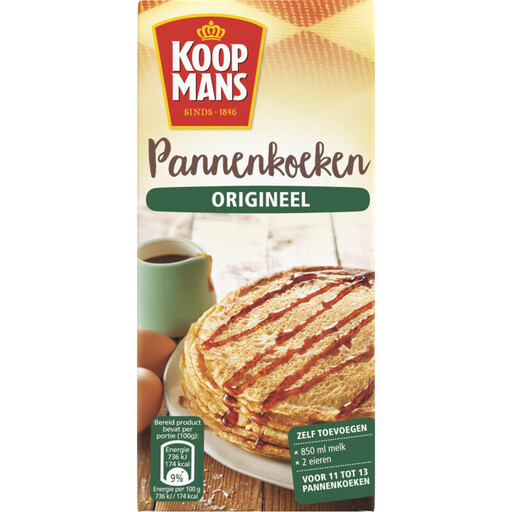 Image unavailable
Koopmans Original Pancake Mix, 400 g
An original mix to serve as a shared base for a lunch with a choice of toppings. The pack contains 400 g; check the preparation instructions and allergens on the pack before cooking.
View on Joybuy
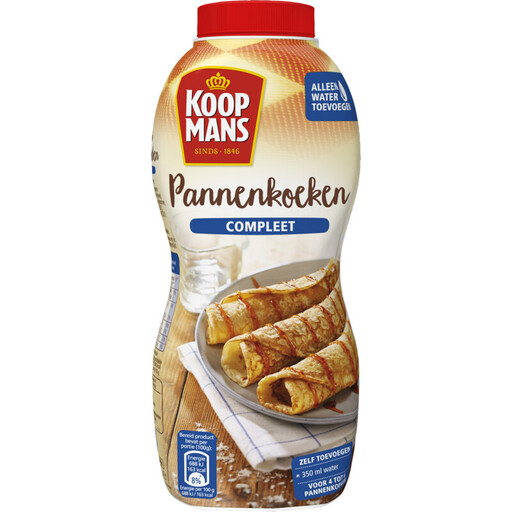 Image unavailable
Koopmans Pancakes Complete, 210 g
An option if you’re looking for a complete mix that’s quick and easy to prepare. The pack contains 210 g; check the instructions, how many pancakes it makes and the allergens on the pack, especially if you’re cooking for several people.
View on Joybuy
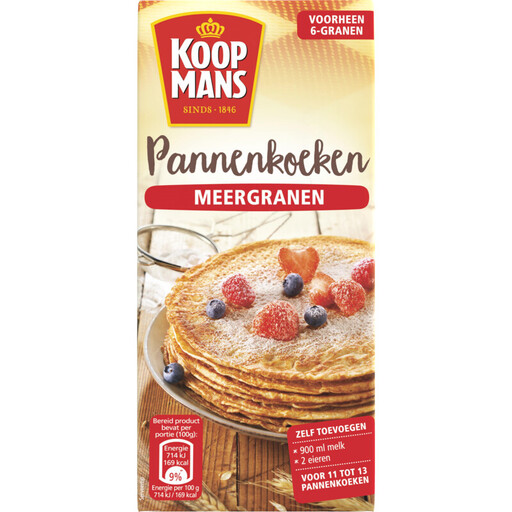 Image unavailable
Koopmans Wholegrains Pancake Mix, 400 g
A mix to consider if grain content is part of your decision. The pack contains 400 g. Don’t assume from the name Wholegrains how much wholemeal flour it contains; check the ingredients list, preparation instructions and allergens.
View on Joybuy
Frequently asked questions
Is a wholemeal mix always the right choice for a holiday lunch?
No, it depends on what matters most for this lunch. According to the Netherlands Nutrition Centre, wholegrain products contain more fibre than white products made with refined flour. A plain mix may be more practical if offering a range of toppings at the table matters more. With a wholemeal mix, check the grain flours and allergens too.
Do I only need to add water to a complete pancake mix?
For the batter of the Koopmans and PLUS complete mixes described, you add water, but you’ll still need butter or oil for cooking. Check the pack you choose for the exact quantities and preparation instructions.
Where can I check the allergens in pancake mix?
Check the ingredients and allergen information on the current packaging of the mix you’re using. The Netherlands Food and Consumer Product Safety Authority highlights the importance of clear allergen information on labels. If you have a relevant allergy, also look for ‘may contain’ statements and consider the risk of cross-contamination while cooking.
Can children taste raw pancake batter?
It’s best not to let children taste raw batter. The Netherlands Nutrition Centre warns that raw batter can make you ill. Serve the pancakes once they’re thoroughly cooked.
How long can I keep cooked pancakes?
According to the Netherlands Nutrition Centre’s food storage guide, cooked pancakes keep for two days in the fridge and three months in the freezer. Cool leftovers promptly and store them covered. Their quality may deteriorate if they’re kept in the freezer for longer.


