Choose a pack size and preparation method to suit how many pancakes you want to make, but don’t let that take priority over the ingredients or your child’s eating skills. For baby-led weaning, pancakes should be cooked all the way through, and you should only offer larger pieces once your child can sit upright and swallow and chew well. If you’re using a mix, check the salt and allergen information on the pack too.
Who should consider these factors?
Parents who make pancakes regularly
They want to know how much mix they’ll actually use and which ingredients they’ll need to add to the batter. A small pack may be right for a single batch, while the total pack size matters if you make pancakes more often.
Parents looking for wholemeal flour
They compare the grains used, but also check the salt, allergens and ingredients required by the preparation instructions. Having ‘wholemeal’ in the product name doesn’t replace checking the label.
Parents encouraging their baby to self-feed
First, they assess whether their child is ready for larger pieces, then make sure the pancake is cooked through and supervise them while they eat. The Netherlands Nutrition Centre says children should be able to sit upright and swallow and chew well before being offered larger pieces.
What should you look for when choosing?
Start by checking whether larger pieces are suitable for your child. Then compare the pack size, ingredients and anything you need to add during preparation.
| What to consider |
What to check |
Who is this important for? |
| Self-feeding and salt |
Check whether your child can sit upright, swallow and chew; read the salt information and cook the pancake all the way through. |
If my child is picking up pieces independently, I mainly want to know whether the texture and preparation are suitable. This is the most important consideration for around 34% of consumers. |
| Pack size |
Compare the pack weight with how much you want to make, and check which ingredients you need to add. |
I make pancakes regularly and want to choose a pack that suits what we’ll actually use. Around 33% of consumers give this consideration priority. |
| Grains and allergens |
Read the ingredients and allergen information on the pack; if you’re taking food in, check the school or childcare setting’s rules too. |
If I’m looking for wholemeal flour or need to take allergens into account, the ingredients determine my choice. This is the first thing around 20% of consumers consider. |
| Ease of preparation |
Check what the preparation instructions say you need to add to the mix, and check those ingredients too. |
When I’m making pancakes on a busy day, I want to know how many extra ingredients I’ll need without losing sight of what’s in the mix. This is the main consideration for around 13% of consumers. |
Common mistakes
-
Looking only at the pack size
The amount of dry mix doesn’t tell you which other ingredients you’ll need for the batter. This matters when comparing packs for a single batch.
Read the preparation instructions and decide how many pancakes you want to make before choosing a pack.
Depending on the mix and preparation method, you may also need milk, eggs or cooking fat, for example.
-
Assuming wholemeal means allergen-free
The wholemeal mixes reviewed from Albert Heijn and Jumbo contain wheat. The term ‘wholemeal’ also doesn’t tell you anything about the salt content.
Check the ingredients, allergens and nutritional information on the specific pack, even if you already know the product name.
-
Offering your child a pancake before they’re ready for pieces
According to the Netherlands Nutrition Centre, a child should be able to sit upright and swallow and chew well before being given larger pieces.
Wait before offering larger pieces if your child isn’t ready. Cook the pancake all the way through and stay with your child while they eat.
-
Treating an online ingredients list as the definitive label
Ingredients and allergen information can change, so the details on a product page may not match the pack you use later.
Read the label on the pack you have. If you’re sending food to school or childcare, ask what allergen rules apply there.
Brands to consider
These brands offer different types of pancake mix, so compare the specific variety rather than the brand name alone.
Jumbo
Jumbo’s own-brand range includes plain, wholemeal and complete pancake mixes.
- The varieties offer a choice of different grain combinations and preparation methods.
- The plain and wholemeal mixes reviewed contain wheat; the complete mix reviewed also contains milk and egg. Check the pack of the variety you choose.
Albert Heijn
Albert Heijn’s own-brand range includes plain and wholemeal pancake mixes.
- The wholemeal variety reviewed contains wholemeal wheat flour and comes in a 300 g pack.
- This variety contains wheat and added salt; Albert Heijn lists milk and eggs for the standard preparation method.
Koopmans
Koopmans offers Original and multigrain varieties, among others. According to Koopmans, Original contains wheat flour, buckwheat flour and rye flour.
- The different recipes make it worth comparing the grains used and preparation instructions for each variety.
- The varieties reviewed contain gluten-containing grains. A recipe name alone doesn’t tell you whether it’s suitable for an individual child.
Pancake mixes at Joybuy
These mixes mainly differ in pack size and type. Check the current packaging before deciding which ingredients and preparation method suit what you want to make. For a young child, eating skills, salt and allergens remain separate considerations.
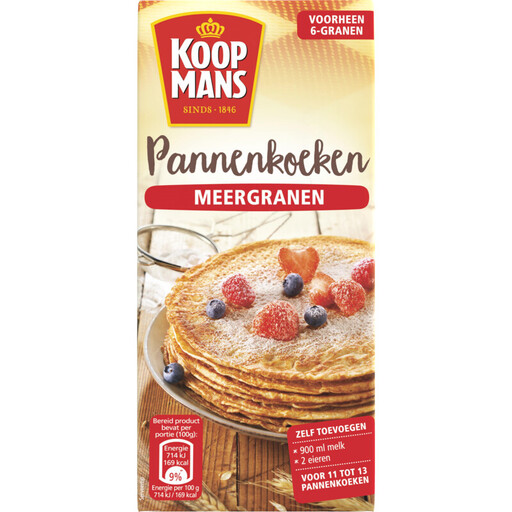 Image unavailable
Koopmans Wholegrains pancake mix 400 g
The 400 g pack may suit you if you want to make several pancakes. Check the ingredients and salt on the pack, along with what you need to add to the batter.
View at Joybuy
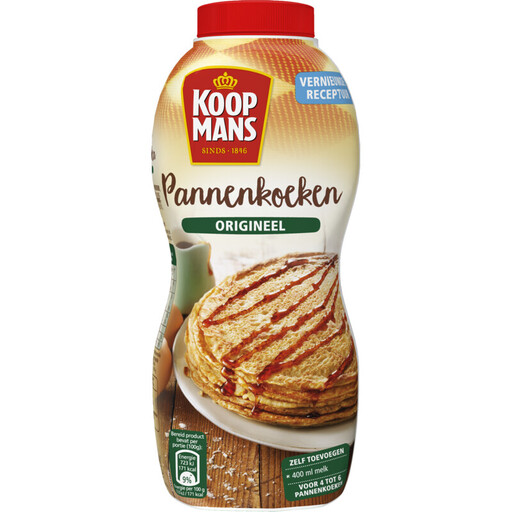 Image unavailable
Koopmans Shaker pancake mix 175 g
The 175 g Shaker mix is worth considering if you’re looking for a smaller pack. Before using it, check what else you need to add and read the allergen information on the pack.
View at Joybuy
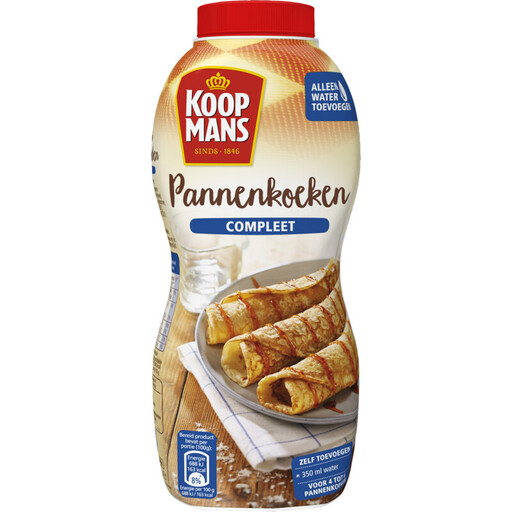 Image unavailable
Koopmans Pancakes Complete 210 g
This 210 g complete mix is worth considering if you want to compare how many ingredients you need to add. Check the preparation instructions and which allergens the mix contains on the pack.
View at Joybuy
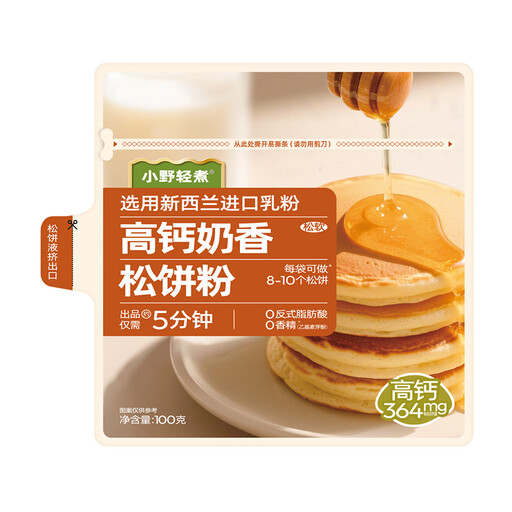 Image unavailable
Xiaoyeqingzhu milk-flavoured pancake mix 100 g
The 100 g pack may be useful if you only want to use a small amount of mix at a time. Check the ingredients and nutritional information on the pack; the product name alone doesn’t tell you whether it’s suitable for a baby.
View at Joybuy
Frequently asked questions
When can I let my baby eat pieces of pancake independently?
Only offer larger pieces once your child can sit upright and swallow and chew well. The Netherlands Nutrition Centre lists these skills as requirements. Stay with your child while they eat, and wait before offering larger pieces if they’re still finding chewing difficult.
Can I give my baby raw batter or a pancake that isn’t cooked through?
No. Don’t give your baby raw batter, and make sure the pancake is cooked all the way through. For one multigrain mix reviewed, Koopmans says not to eat the batter raw and to heat it thoroughly.
Are the mixes reviewed suitable if wheat or gluten needs to be avoided?
Don’t assume so for the regular varieties reviewed: Jumbo Naturel, AH Volkoren and Jumbo Volkoren list wheat or gluten-containing grains. Check the ingredients and allergens on the specific pack before using it.
What should I check if I’m sending a pancake to school or childcare?
First, read the current label, then ask about the rules for food brought in at the school or childcare setting in question. The Netherlands Food and Consumer Product Safety Authority explains the requirement to list allergens on labels of pre-packed foods; the label won’t tell you what rules apply at the setting.


