
Brunch hosts short on preparation time
If you would rather not add milk and eggs separately, a complete mix made with water is one option. Do read the ingredients, though: this method of preparation doesn’t mean the mix is free from milk or egg.


If you want to use as few separate ingredients as possible for Easter brunch, look for a complete mix that only needs water. A classic, wholemeal or multigrain mix is a better fit if you want to add your own ingredients or are looking for a particular grain blend. Before cooking for guests, compare the stated yield, preparation instructions and allergens on each pack.
If you would rather not add milk and eggs separately, a complete mix made with water is one option. Do read the ingredients, though: this method of preparation doesn’t mean the mix is free from milk or egg.
A classic base mix lets you choose your own sweet or savoury toppings. When shopping, remember that the classic varieties we looked at also need milk, eggs and cooking fat.
If the grain blend or ingredients are important for your guests, compare the specific wholemeal and multigrain varieties. Check the ingredients and allergens on the pack you’ll actually be using.
First, decide how many pancakes you want to make and how much preparation you’re happy to do. Then compare the grain blend, and always check the pack for the variety you’ve chosen if anyone has dietary requirements.
| What to consider | What to check before buying | Who it matters to |
|---|---|---|
| Yield for your guests | Compare the stated number of pancakes per pack with your brunch plans. | If pancakes are the main course for my guests, I want to know whether one pack will be enough. That’s why yield comes first for around 33% of consumers. |
| Preparation | Check whether you need to add water, milk, eggs and cooking fat. | If I’m cooking just before serving, I want to avoid having lots of separate ingredients to get ready. Around 27% of consumers give convenience the highest priority. |
| Grain blend | Read the ingredients list for the specific wholemeal or multigrain variety; compare the nutritional information too, if needed. | I want to know which grains are in the mix before planning my Easter menu. For around 20% of consumers, the grain blend matters most. |
| Allergens and dietary requirements | Read the ingredients and allergen information on the current pack; don’t assume a product is suitable based on its name alone. | If I’m cooking for guests who need to avoid certain ingredients, I want to check the mix I’ve chosen before using it. This is the first concern for around 20% of consumers. |
According to the product information, Koopmans Pannenkoeken Compleet is made with water, but the mix also contains ingredients derived from milk and egg. So the preparation instructions alone don’t tell you whether it’s suitable for a guest who avoids these ingredients.
Check the ingredients and allergens on the pack you’ve chosen, not just the instructions on the front.
AH Mix voor pannenkoeken volkoren, described by Albert Heijn as vegan, contains wheat and gluten. These labels answer different questions about what’s in the mix.
If you need a gluten-free option, look for an explicit gluten-free claim on the current pack and check the rest of the allergen information too.
Ingredients and allergen information can vary between varieties or change over time. This is especially important when you’re cooking for guests with dietary requirements.
Read the pack you’ve bought just before cooking, and keep it to hand until after serving.
The pancake mixes we looked at include Origineel, Compleet, Meergranen and Volkoren.
Albert Heijn’s own label includes both a plain and a wholemeal pancake mix.
Jumbo lists a plain pancake mix in a 400 g pack.
ALDI lists plain and multigrain pancake baking mixes under its Albona own label.
These mixes offer different ways to cook for Easter brunch: choose a base mix, a complete mix or a smaller shaker pack. Pick one based on the yield you need, the ingredients you’ll have to add and the label for the exact variety.
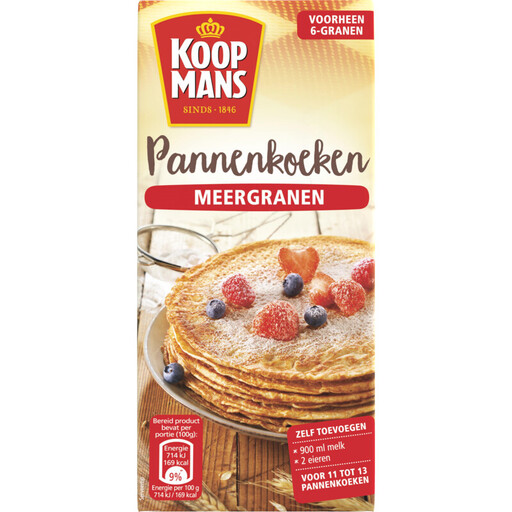 No image available
An option to consider if you want to compare grain blends. Check the variety name and ingredients carefully on this 400 g pack: the available product information doesn’t consistently distinguish between the wholemeal and multigrain descriptions.
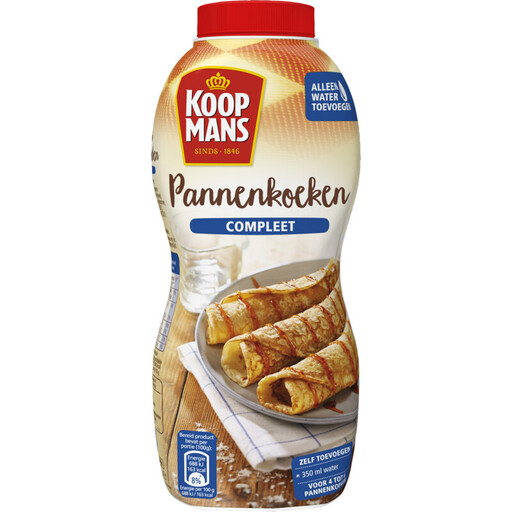 No image available
A complete mix to consider if you want to add fewer separate ingredients. For this 210 g variety, check the preparation instructions, yield and allergens on the pack; don’t automatically assume they’re the same as for the larger Complete pack.
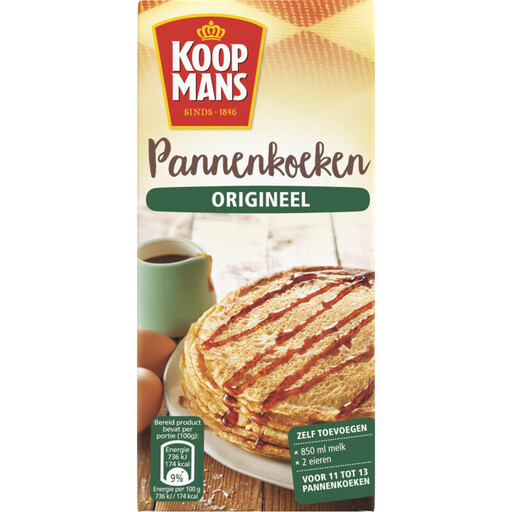 No image available
A classic base mix if you want to choose your own sweet or savoury toppings. Albert Heijn gives the yield for Koopmans Origineel 400 g as 11–13 pancakes; you’ll need to add milk, eggs and cooking fat. Check the allergens on the pack you buy.
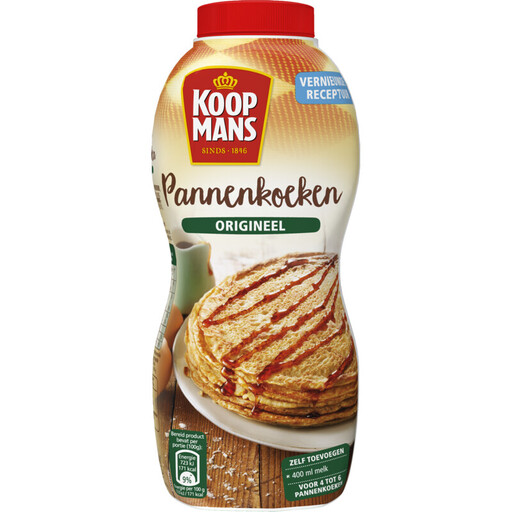 No image available
The 175 g shaker pack is an option for a smaller batch. Check the pack for how much liquid to add and how many pancakes it makes, and check the allergens too.
 No image available
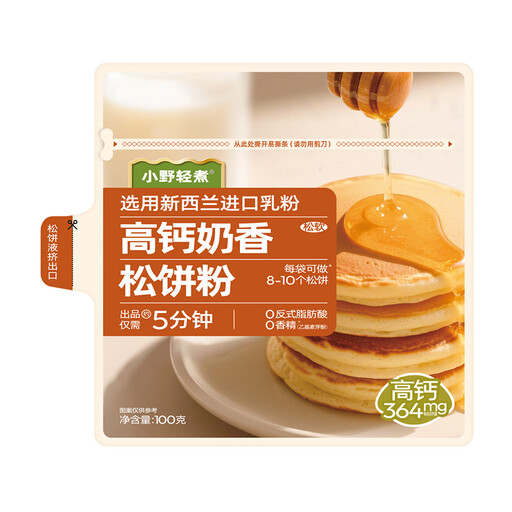
For this 100 g pack, it’s important to check the yield and preparation instructions for an Easter brunch. If the product mentions calcium, check the nutritional information on the pack rather than relying on the product name alone.
The word ‘premium’ alone won’t tell you which mix is right for your Easter brunch. Compare the ingredients you need to add, the yield, the grain blend, the nutritional information and the allergens for the specific pack.
It varies by variety and pack size. Albert Heijn gives the yield for Koopmans Pannenkoeken Compleet as around 10 pancakes per pack reviewed, 11–13 for Origineel and 13–15 for Volkoren. Check the yield on your pack, especially if pancakes are the main course.
No, you can’t tell from the preparation instructions alone. According to Albert Heijn, the Koopmans Pannenkoeken Compleet we looked at is made with water, but contains ingredients derived from milk and egg. If anyone has dietary requirements, read the ingredients and allergens on the current pack.
Check the ingredients and allergens on the pack of the mix you’re actually using. The Netherlands Food and Consumer Product Safety Authority explains the mandatory declaration of allergens on food labels; a product page you looked at earlier is no substitute for the current label.