
Buffet hosts catering for different tastes
You want to serve a familiar pancake without limiting guests who prefer wholemeal or multigrain to the same mix.


For a Boxing Day buffet catering for different preferences, serve a classic pancake mix alongside a clearly labelled wholemeal mix; a multigrain mix is not automatically wholemeal. Choose a complete mix or shaker bottle if you want to spend less time measuring ingredients, but compare the number of pancakes each pack makes and check the current label of every variety for guests with dietary requirements.
You want to serve a familiar pancake without limiting guests who prefer wholemeal or multigrain to the same mix.
You’re looking for a batter that needs fewer separate ingredients to be measured out, such as one made with a complete mix or shaker bottle.
You want to check in advance which ingredients a guest needs to avoid and how to minimise cross-contact during preparation and serving.
First decide whether you want to offer a wholemeal or multigrain option alongside classic pancakes. Then check how each mix is prepared, how many pancakes it makes and what allergen information is provided.
| What to consider | What to check before buying | Who is this important for? |
|---|---|---|
| Choosing between classic and grain varieties | Choose two recognisable varieties and clearly label the buffet so guests know which mix was used for each pancake. | When guests have different tastes, I want to offer classic pancakes without leaving out the alternative. Variety is the main priority for around 33% of consumers. |
| Ease of preparation | Check whether you need water, milk, eggs or other additions, and how many pancakes the pack makes. | When I have little time to prepare the buffet, I want to measure out fewer ingredients, even if the number of pancakes per pack varies. Convenience is the deciding factor for around 25% of consumers. |
| Wholemeal ingredients | Check whether the mix is labelled as wholemeal and read the types of flour listed in the ingredients; multigrain does not automatically mean wholemeal. | When a clearly identifiable wholemeal option is my main priority, I want to be able to distinguish it from a mix containing several types of grain. This matters most to around 25% of consumers. |
| Gluten and other allergens | Read the current label, including any warnings about possible traces, and keep utensils and toppings separate where necessary. | If a guest needs to avoid gluten or another allergen, I don’t want to serve an unsuitable mix or risk cross-contact at the buffet. This check is the top priority for around 17% of consumers. |
Using several types of grain doesn’t mean that all the flour is wholemeal. For example, Jumbo lists 78% wheat flour in Koopmans Multigrain.
If you specifically want to offer a wholemeal option, choose a mix labelled as such and read the ingredients list.
Needing to add fewer ingredients says nothing about whether a mix is suitable for a guest with an allergy. The ingredients and allergens in the exact variety still matter, even with complete mixes.
Check the pack before choosing a mix, and prepare a separate option if a guest’s needs require it.
The number of pancakes listed varies by product. Koopmans says its Original mix makes 11 to 13 pancakes per pack and its Complete mix makes 8 to 10; Albert Heijn lists 4 to 6 for the Koopmans Original Shaker Bottle.
Plan according to how many pancakes the varieties you’ve chosen make and how many different types you want to serve.
Albert Heijn says that information about ingredients, nutritional values and allergens can change. This is particularly important when you’re cooking for a specific guest.
Read the packaging of the product you’re actually using, and don’t serve the batter raw: cook the pancakes all the way through.
The range includes classic, complete, multigrain and gluten-free pancake mixes.
Albert Heijn offers its own pancake mixes, including plain, multigrain and wholemeal varieties, alongside Koopmans products.
PLUS offers plain and complete pancake mixes, as well as one specifically labelled wholemeal.
ALDI describes an Albona multigrain pancake mix as an option for anyone wanting to offer a variety of grains at the buffet.
These mixes offer a classic pancake, a multigrain variety and an extra option with a milky flavour for the buffet. If you specifically want to serve wholemeal or gluten-free pancakes, check the label and ingredients of your chosen mix separately.
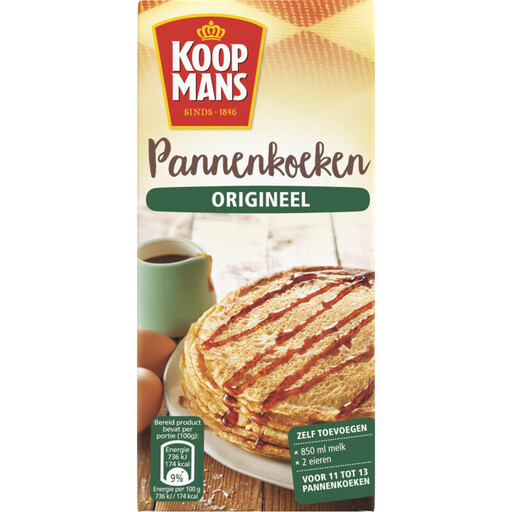 No image available
A classic option to serve alongside another grain variety. Koopmans says one pack of Original makes 11 to 13 pancakes; you’ll need milk, eggs and butter or oil to prepare it.
Check the current label for allergens and cook the batter all the way through.
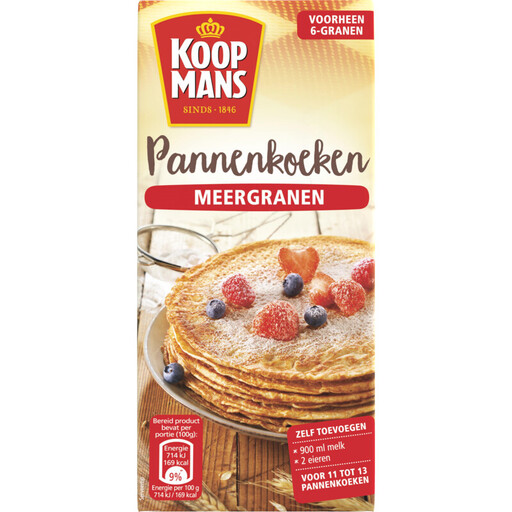 No image available
A multigrain option for guests who want a different blend of grains alongside classic pancakes. You’ll need milk, eggs and butter or oil to prepare it.
Don’t assume multigrain means wholemeal: check the ingredients list if a wholemeal option is what you’re looking for. Also check the allergen information and cook the batter all the way through.
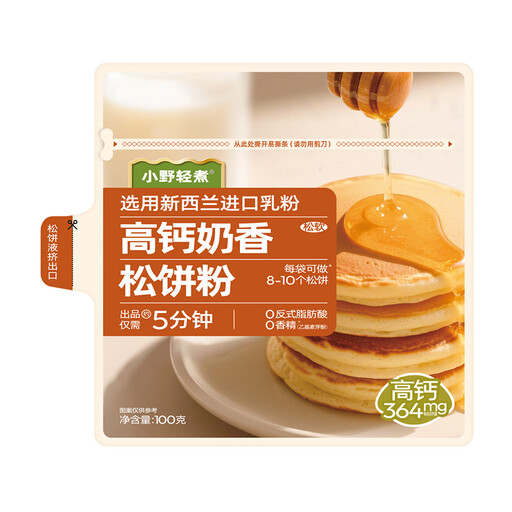 No image available
An extra flavour option if a milky taste suits your buffet. The preparation instructions call for water and one egg.
Check the pack for the ingredients, allergens and yield when planning quantities for your guests. Cook the pancakes thoroughly on both sides.
A classic mix and a clearly labelled wholemeal mix give guests an easy choice. If you’d rather serve multigrain pancakes, label them as multigrain and check the ingredients before presenting them as wholemeal.
No, not automatically: multigrain means that several types of grain have been used. Jumbo lists 78% wheat flour in Koopmans Multigrain, while PLUS lists 75% wholemeal wheat flour and 20% wholemeal oat flour in its Wholemeal mix. Check the ingredients of the variety you buy.
For a gluten-free option at your buffet, use separate utensils, a clean pan and separate toppings to minimise cross-contact with regular mix. Also check all allergens on the current label; the Koopmans Gluten Free mix described by Albert Heijn may contain egg and milk.
Read the ingredients and allergen information on the pack you’re using, especially if wheat or other gluten-containing cereals, egg or milk are relevant to a guest. The Netherlands Food and Consumer Product Safety Authority explains that mandatory labelling covers 14 allergens.