
If savoury toppings are the star
Want the filling and sauce to define the flavour of your Asian night? You could try an original mix, which Koopmans also recommends for savoury variations.


If you want the filling and sauce to take centre stage, start with a plain or original pancake mix. A complete mix needs fewer additions to make the batter; a wholemeal mix suits you if you prefer a wholemeal base, while a gluten-free mix is an option if you need to avoid gluten. Whichever you choose, check the mix’s ingredients as well as anything you add yourself.
Want the filling and sauce to define the flavour of your Asian night? You could try an original mix, which Koopmans also recommends for savoury variations.
Making pancakes for a group and don’t want to measure out milk and eggs for the batter? With the Koopmans and PLUS complete mixes reviewed, you just add water. You’ll still need cooking fat for frying.
Is a wholemeal base or avoiding certain allergens a priority? Check the current packaging, preparation instructions and any ingredients you add yourself, rather than relying on the product name alone.
First, decide what matters most for your meal: a base that lets savoury toppings shine, less preparation, a wholemeal base or a gluten-free option. Then check that the preparation method and allergen information suit your plans.
| What to consider | What to check | Who it matters to |
|---|---|---|
| Base for savoury toppings | Check whether the mix is plain and which ingredients you need to add to make the batter. | If I want the toppings to define the flavour, I need a base I can season to make it savoury. Around 30% of consumers prioritise a neutral base. |
| Less preparation | Check what you need to add to the batter, how much cooking fat is required and how many pancakes each pack makes. | When I’m making a meal for guests, I want to prepare the batter with as few separate ingredients as possible. Around 30% of consumers prioritise simple preparation. |
| Wholemeal base | Read the product description and ingredients. Only compare nutritional values on a like-for-like basis, such as per 100 g of prepared product. | I want to choose a wholemeal mix, even if a plain base feels more familiar. Wholemeal is the main consideration for around 20% of consumers. |
| Gluten and other allergens | Check the current allergen information and assess milk, eggs, cooking fat and toppings separately too. | If I need to avoid gluten, the mix must meet that requirement without overlooking other relevant ingredients. This is the main deciding factor for around 20% of consumers. |
Adding only water to the batter doesn’t tell you anything about the ingredients in the dry mix. The Koopmans, PLUS and Jumbo complete mixes reviewed contain wheat, milk and egg.
Read the allergen information on the current packaging before choosing a complete mix.
The standard preparation method for the wholemeal and gluten-free mixes reviewed also requires milk and eggs. So choosing a dry mix alone doesn’t determine the ingredients in the finished pancake.
Read the preparation instructions and check which additions and cooking fat you’ll use.
The preparation instructions for the Koopmans mixes reviewed state that the batter isn’t intended to be eaten raw and must be cooked thoroughly.
Wait until the pancake is fully cooked before tasting it.
Koopmans offers a range of pancake mixes, including original, complete and gluten-free options.
Albert Heijn sells its own-brand wholemeal mix alongside other pancake mixes.
Jumbo sells a complete pancake mix as an own-brand product.
Lidl sells an original pancake mix under its Belbake brand.
Aldi sells a multigrain pancake mix under its Albona brand.
PLUS sells a range of own-brand pancake mixes, including plain and complete versions.
These products offer different ways to enjoy an Asian night: an original base with your own toppings, a mix for Korean savoury pancakes, a shaker bottle, a complete mix and a multigrain option. A multigrain mix isn’t automatically a fully wholemeal mix.
 No image available
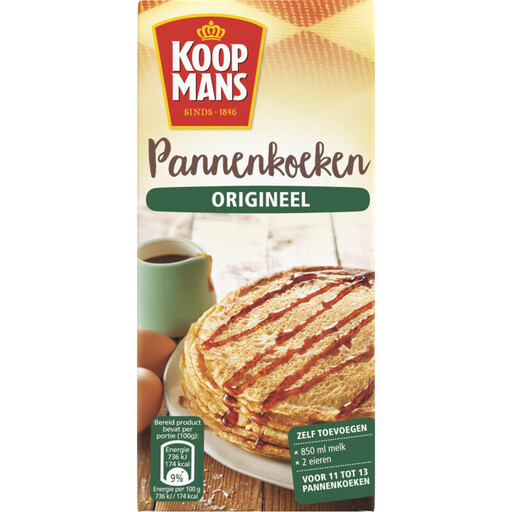
An original mix for anyone who wants to choose their own savoury toppings. When preparing it, allow for milk, eggs and cooking fat. Check the packaging if you need to avoid gluten or other allergens.
 No image available
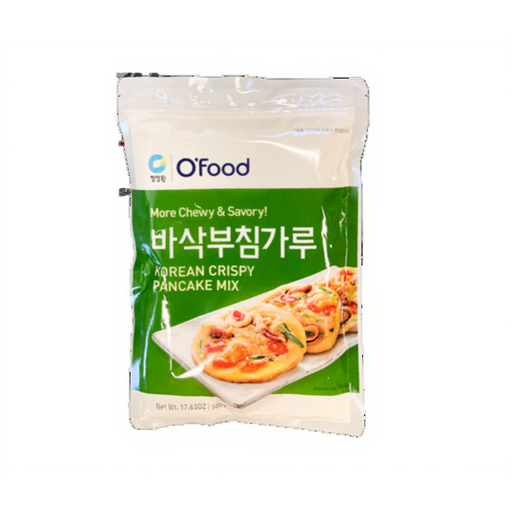
For anyone looking to make Korean savoury pancakes in particular, rather than choosing a general-purpose plain pancake mix. Before using it, check the current packaging for the mixing ratio, ingredients and allergen information.
 No image available
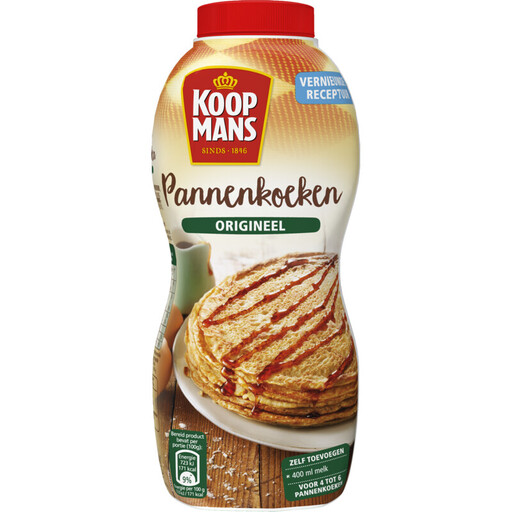
The shaker bottle is a handy option for a smaller portion that you can top with your own savoury ingredients. Add milk to make the batter. Check that it makes enough for your group, and bear the listed allergens in mind.
 No image available
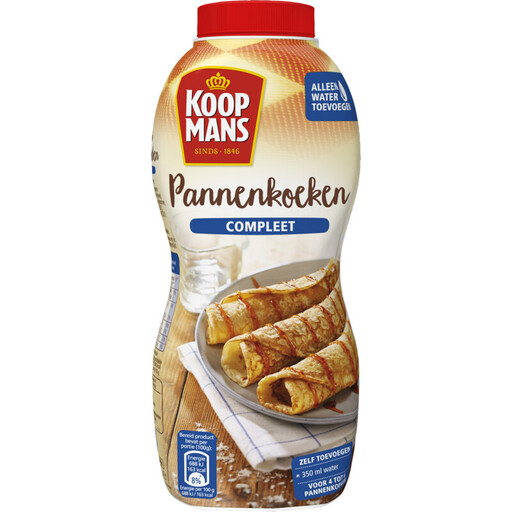
A complete shaker mix for anyone who wants to make batter with water and prepare a smaller portion. Check that it makes enough for the number of people you’re feeding; the allergen information lists milk, egg and wheat.
 No image available
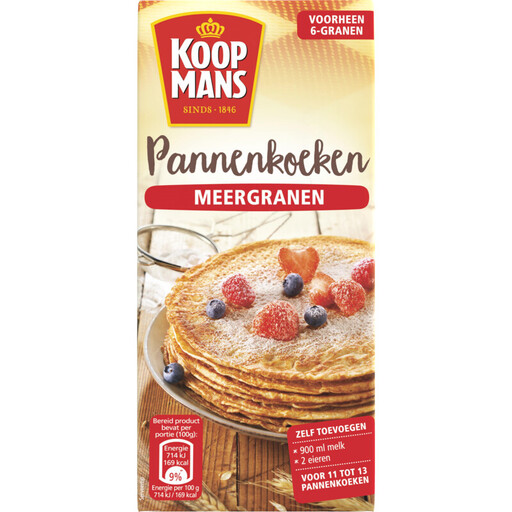
For anyone who wants a mix made with several types of grain and to choose their own toppings. Don’t assume this version is fully wholemeal without checking the label. The batter needs milk and eggs, and the mix contains gluten.
Choose a plain or original mix if you want the savoury filling and sauce to define the flavour; choose a complete mix if you want to add fewer ingredients to the batter. For the complete mixes reviewed, you only need water for the batter, but you’ll still need cooking fat, and the allergens remain relevant.
No, the wholemeal label doesn’t mean either of those things. The AH wholemeal mix reviewed contains wholemeal wheat flour and wheat gluten; the standard preparation method uses milk and eggs. Consider both the mix and how you plan to prepare it.
Wait until the pancake is fully cooked before tasting it. The preparation instructions for the Koopmans mixes reviewed state that the batter isn’t intended to be eaten raw and must be cooked thoroughly.
Check the ingredients list and allergen information on the current packaging, then look at the ingredients you’ll be adding yourself. Your Europe explains EU labelling rules for prepacked foods, including the requirement to list and highlight allergens in the ingredients list.