What should you look for when choosing?
Start with what you want to keep in the house alongside the mix. Then compare storage requirements, the label and the grain or flavour option. Choosing a different mix doesn’t automatically change what you need to prepare it.
| What to consider |
What to check when buying |
Who is it important to? |
| Additional ingredients |
Check how much water, milk or how many eggs the recipe calls for, and whether you’ll need cooking fat. |
If milk and eggs aren’t always in the house, I still want to be able to make the batter. For around 36% of shoppers, keeping additional fresh ingredients to a minimum is the top priority. |
| Storage and stock rotation |
Check the best-before date and make sure the pack is intact; ensure you can seal an opened pack properly. |
I want to use my packs rather than forget about them at the back of a damp cupboard. For around 29% of shoppers, managing their supplies comes first. |
| Ingredients and allergens |
Read the current ingredients list, allergen information and any details about the possible presence of allergens. |
If I need to avoid an ingredient, the label must match what I can use. Around 21% of shoppers put this check ahead of the other considerations. |
| Grains and flavour |
Compare the types of grain listed and check whether any added flavour suits how you plan to use the mix. |
I want to be able to choose between a plain base and a specific grain or flavour option. For around 14% of shoppers, this preference matters most. |
Brands to compare
These brands and supermarket own-label ranges offer different types of pancake mix. Compare a specific option with your plans for your store cupboard rather than choosing on brand name alone.
Koopmans
Options include a plain base, a mix made with water, a specific flavour and one labelled gluten-free.
- According to the product information at Albert Heijn, the complete mix needs water for the batter; Koopmans says its Origineel mix needs milk, eggs and butter.
- For the gluten-free option, too, check the additional ingredients required and the current label.
Albert Heijn
A supermarket own-label range with plain, multigrain and wholemeal mixes in its online category.
- The different options give you a starting point for comparing the types of grain.
- Check the details for the individual product and the current packaging for ingredients and preparation instructions.
Jumbo
A supermarket own-label range that includes a 400 g plain mix and a 200 g complete option.
- The difference in pack size and mix type is worth considering if you’d prefer to store a smaller quantity at a time.
- Check the chosen pack to see what you need to add; Jumbo says its complete mix should be used straight away once prepared.
PLUS
A supermarket own-label range with 400 g complete and wholemeal pancake mixes.
- PLUS specifies 700 ml of water and cooking fat for its complete mix. Its wholemeal mix lists 75% wholemeal wheat flour and 20% wholemeal oat flour.
- According to the product information, the wholemeal option also needs milk and eggs; check the allergen information on the label for both varieties.
Albona (ALDI)
A 400 g multigrain pancake mix in ALDI’s own-label range.
- An option to consider if the types of grain are your main priority.
- Check the pack to see which grains and allergens it contains, and what you need to add to prepare it.
Belbake (Lidl)
Lidl sells an original pancake mix under the Belbake brand.
- An original option to compare if you’re looking for a plain mix.
- Lidl advises checking the packaging for ingredients, allergens and nutritional information about its food products; check these details before choosing based on them.
Pancake mixes on Joybuy
These products highlight the choice between a complete mix made with water, a wholemeal or original mix, and a smaller milk-flavoured option. When choosing for your store cupboard, always check the label and any additional ingredients you’ll need.
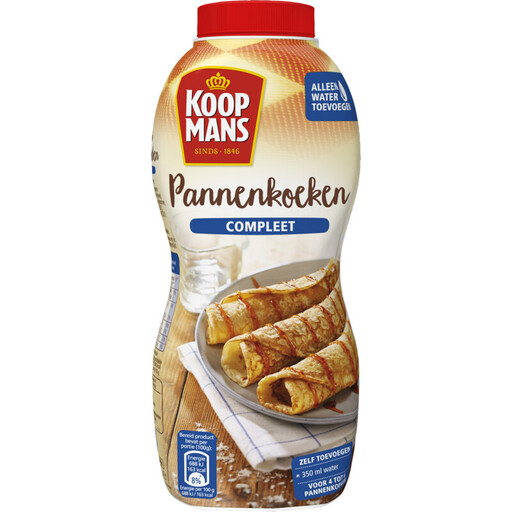 Image unavailable
Koopmans Pancakes Complete 210 g
A complete mix to consider if you’d rather not add milk and eggs to the batter. Joybuy’s information for this pack specifies 350 ml of water; before cooking, check the label and make sure you have cooking fat if needed.
View on Joybuy
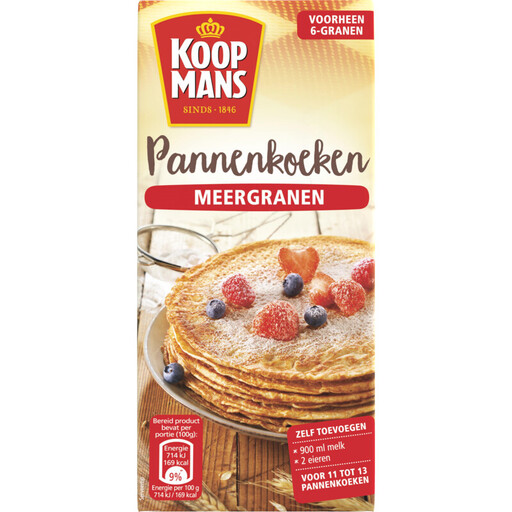 Image unavailable
Koopmans Wholegrains Pancake Mix 400 g
An option to compare if the types of grain influence your choice. Check the pack to see which grains the mix contains and what else you’ll need alongside the 400 g pack.
View on Joybuy
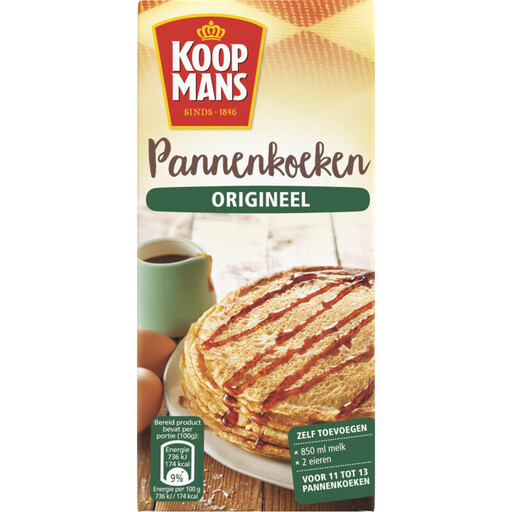 Image unavailable
Koopmans Original Pancake Mix 400 g
An original mix to consider if you’re looking for a plain base and can store the additional ingredients. Koopmans specifies milk, eggs and butter for its original mix; check the preparation instructions for this 400 g pack before planning your supplies.
View on Joybuy
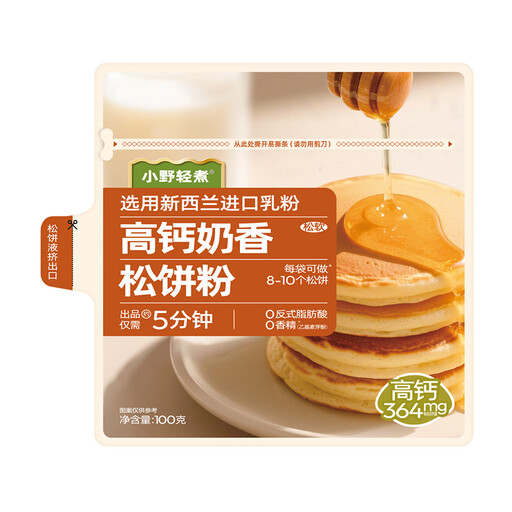 Image unavailable
Xiaoyeqingzhu milk-flavoured pancake mix 100 g
A 100 g milk-flavoured pack to compare if you’re looking for a smaller quantity of mix. Read the preparation instructions and nutritional information on the current pack; the product name alone doesn’t tell you how much calcium it contains or how many pancakes it makes.
View on Joybuy
Frequently asked questions
Is a complete pancake mix useful for the store cupboard?
Yes, if your main aim is to keep fewer additional ingredients for the batter. The complete mixes described by Albert Heijn and PLUS need water instead of added milk and eggs; PLUS also specifies butter or oil for the pan. Remember to check the allergen information, even for a complete mix.
How should I store an opened pack of pancake mix?
Store the mix in a cool, dry, dark place in a well-sealed pack, as advised by the Netherlands Nutrition Centre. Also check the instructions and best-before date on the pack, and make sure the mix still looks and smells normal when you use it later.
When should I stop using pancake mix?
Don’t use a mix if you notice or smell anything unusual, such as insects or a musty or rancid smell. Keep opened packs well sealed and avoid storing them somewhere damp.
Where can I find allergen information for pancake mix?
Read the ingredients list on the current packaging. The Netherlands Food and Consumer Product Safety Authority explains how the allergens that must be declared should be clearly identified on the labels of prepacked foods; also check for any information about the possible presence of allergens.


