
Vandaag of morgen in huis

Kwaliteit gegarandeerd

Welkomstaanbiedingen ontgrendelen: GRATIS bezorging | Tot 80% korting | Gratis 30 dagen JoyPlus-proefperiode
Download de app
Buying nappies seems simple until you have to choose between sizes, monthly boxes, standard nappies and nappy pants. When choosing Pampers Premium Protection nappies, parents often focus on soft materials and absorbency. But there are other factors that are just as important for everyday use.
The age shown on a pack is only a guide. Your baby’s weight and build are usually better indicators of which size will fit. A nappy that’s too small can leak around the legs or tummy. One that’s too large may not fit snugly, allowing moisture to escape around the edges.
A monthly box of nappies is convenient and can bring down the price per nappy. However, babies sometimes outgrow a size quickly. When moving to a new size, start with a smaller quantity unless you already know the fit works well. Also check how many nappies you use each day, as the number in a monthly box varies by size.
Terms such as “leak-free”, “hypoallergenic” or “for sensitive skin” sound clear, but their meaning can vary between brands. According to Pampers Premium Protection product information, these nappies are dermatologically tested, contain no EU fragrance allergens, and some packs carry an OEKO-TEX Standard 100 label. These are verifiable product claims, but they don’t guarantee that every baby will have the same experience.
If you notice redness or irritation, stop using the nappies and ask a doctor for advice if needed. Change nappies regularly and always follow the instructions on the pack.
Start by checking the recommended weight range. The range includes Pampers size 1 nappies, Pampers size 2 nappies, Pampers size 3 nappies, Pampers size 4 nappies, Pampers size 5 nappies, Pampers size 6 nappies and Pampers size 7 nappies.
Product listings include examples such as:
Always check the current weight guidance on the product page before ordering. A good fit means the nappy sits snugly without leaving deep marks, and the leg cuff doesn’t fold inwards.
Pampers says that Premium Protection has a core with more than 1,000 absorbent micropores. This is a claim from the brand’s product information, not a universal measurement standard for all nappies. Also look for practical features such as an absorbent core, elasticated leg cuffs and a design that channels moisture into the core.
Other brands sometimes provide technical details such as SAP, or superabsorbent polymer. For example, the BC Babycare Royal range lists a composite core with SAP. This information can be useful when comparing products, but it doesn’t, on its own, tell you how comfortable or suitable a nappy will be for your child.
For parents looking for nappies for sensitive baby skin, fragrance, material information and certifications are useful things to check. According to the product listing, Pampers Premium Protection is available without EU fragrance allergens and is dermatologically tested. The BC Babycare Royal range lists a surface pH of 5.5. According to the product description, this is intended to help keep the surface close to the baby’s natural skin pH.
A term such as dermatologically tested nappies describes a test or assessment as reported by the manufacturer. It doesn’t mean that skin irritation is impossible. Check the ingredients and certifications on the pack if your baby has reacted to products before.
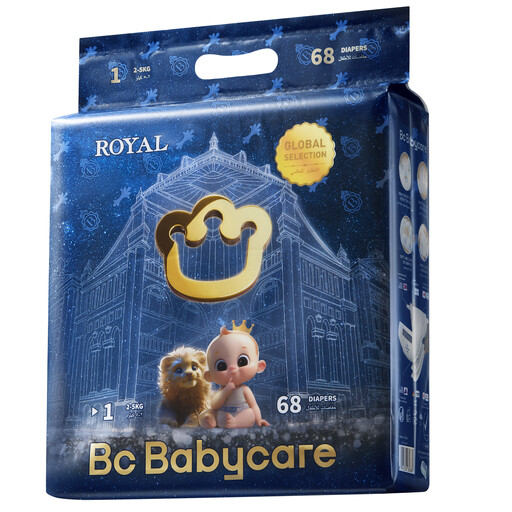
Why it suits this profile: According to the product information, the pack contains 68 nappies for babies weighing 2 to 5 kg. It’s a manageable quantity for trying out a first size.
You don’t have to order a large monthly box straight away. The size guidance and wetness indicator mentioned in the product description can help you check usage and fit.
68 nappies, a 2-5 kg weight range and an absorbent core with SAP, according to the product listing.

Why it suits this profile: A monthly box for newborns suits households that want to keep a regular supply in stock and value information about skin contact and fit.
The product information mentions the Stop & Protect pocket, overlapping fastening tabs and a cut-out for the umbilical cord. Still, check the size and fit on your baby.
180 nappies, more than 1,000 absorbent micropores listed, and no EU fragrance allergens according to the manufacturer.

Why it suits this profile: These size 5 Pampers nappy pants are designed for active children, and can be easier to pull on like underwear than to fasten with tabs.
The listing mentions wider protective leg cuffs and a Stop & Protect pocket. Check the stated weight range and avoid using pants that feel too tight.
144 nappy pants, an elasticated waistband and a fastening tab for rolling up and disposing of the pants, according to the product information.
Even absorbent baby nappies can leak if the size or fit isn’t right. When changing your baby, check the following:
We’ve put together a full, up-to-date list of products that meet these strict selection criteria and the applicable European safety requirements.
Follow the expiry or usage information on the pack. Store unopened nappies somewhere dry and clean, away from direct sunlight and heat. Once opened, it’s best to seal the pack securely to keep out dust and moisture.
According to Pampers product information, the nappies are dermatologically tested and contain no EU fragrance allergens. This is information from the manufacturer, not a guarantee for every baby. If your child has sensitive skin, check the ingredients, change nappies regularly and stop using them if irritation persists.
A monthly box can be convenient, and the price per nappy may be lower, but this depends on the current selling price and the number of nappies in the box. Divide the total price by the number of nappies and compare it with smaller packs. Only order a large box once you’re happy with the size and fit.
