
Vandaag of morgen in huis

Kwaliteit gegarandeerd

Welkomstaanbiedingen ontgrendelen: GRATIS bezorging | Tot 80% korting | Gratis 30 dagen JoyPlus-proefperiode
Download de app
A Pampers nappy monthly box can be useful if you want to order nappies less often. However, a large pack isn’t automatically better value. Babies grow quickly, the number of nappy changes varies from day to day, and the right fit can help prevent leaks.
When comparing a Pampers monthly box, don’t just look at the price or the number of nappies. Check the size, nappy type, absorbency and whether it’s suitable for when you plan to use it.
A large number of nappies may seem appealing, but your baby could move up to the next size within a few weeks. So don’t buy based solely on the lowest price per nappy. First check the recommended weight range and work out how many nappies your baby uses on an average day.
A simple calculation can help:
A month’s supply of nappies doesn’t have to last exactly one calendar month. The number of nappies in each box also varies by size. For example, the Premium Protection size 1 box mentioned here contains 180 nappies, while a size 3 box contains 204.
Pampers Baby-Dry Pants are designed to pull on in one easy movement. They’re handy for active babies who move around or stand up. For a newborn who spends most of their time lying down, standard nappies with fastening tabs are often easier to position accurately.
So choose pants when they suit your baby’s activity level and your usual nappy-changing routine. Check how to remove them, too: tear open the sides, then roll the nappy up and secure it with the fastening strip.
Terms such as “leakproof”, “super absorbent” and “up to 12 hours of protection” refer to product features or brand claims. They don’t guarantee that every baby will stay dry in all circumstances. Fit, position, how much liquid the nappy absorbs and how often you change it all play a part, too.
According to Pampers’ product information, various types feature an absorbent core, leak guards and a Stop & Protect Pocket. In practical terms, these features are designed by the manufacturer to absorb moisture and help prevent leaks. Change a nappy when it’s wet or dirty, and always follow the instructions on the packaging.
Size matters more than the age guidance. Babies of the same age can have different builds, so check the weight range on the packaging and look out for:
If you’re unsure, it’s wiser to try a smaller pack than to buy several monthly boxes straight away.
Standard Pampers nappies have fastening tabs and are suitable for changing your baby while they’re lying down. Pampers Baby-Dry Pants have an all-round elasticated waistband and pull on like underwear. This can be handy for active babies, but they should fit snugly without being tight.
For overnight use, there are options such as Pampers Night Pants. The product description mentions an absorbent core and a 360° waistband. Pampers says this type is designed for overnight use; just make sure the size and fit are right for your child.
If you’re looking for absorbent nappies or soft nappies for sensitive skin, use these points as a guide:
A dermatological test or certification relates to the assessment carried out or the material criteria; it doesn’t automatically prevent irritation in every child. Stop using the product if redness or irritation occurs, and ask a doctor or health visitor for advice if symptoms persist.

Why it suits this profile: The box contains 222 standard size 3 nappies, making it a practical choice for families looking to stock up once they’ve confirmed the right size.
The product information mentions leak guards, stretchy sides and an absorbent layer. First, make sure the size is right for your baby’s weight.
222 nappies; standard nappy with fastening tabs; described as dermatologically tested and OEKO-TEX Standard 100 certified.

Why it suits this profile: This size 1 box is designed for newborns weighing around 2 to 5 kg, and may suit parents who pay close attention to materials and fragrances.
The product description says the nappy contains 0% perfume and lotion. Still check the fit, and stop using it if redness or irritation occurs.
180 nappies; wetness indicator; cellulose from FSC-certified forests managed responsibly according to Pampers, and OEKO-TEX Standard 100.
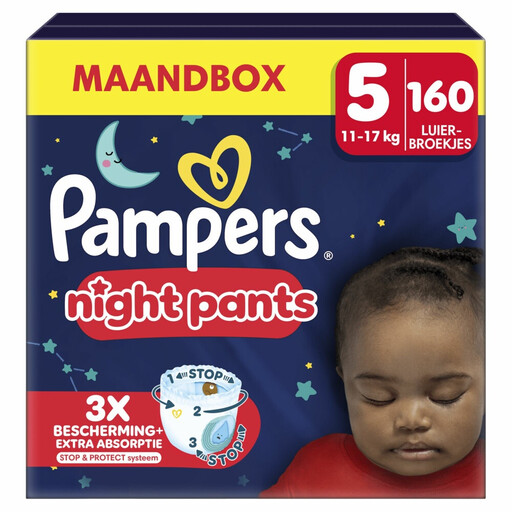
Why it suits this profile: These pants are designed for overnight use and may suit children who move around a lot or are already difficult to keep still during daytime nappy changes.
According to the product information, the 360° waistband and protective features are designed to allow freedom of movement and help prevent leaks. They don’t replace the need for the right size.
160 pants; designed for around 12 to 17 kg; tear-away sides and a fastening strip for rolling them up.

Why it suits this profile: The size 1 version has a navel-friendly cut and, according to the product information, is designed for the early stages of your baby’s life.
The navel-friendly cut helps you position the nappy. Check the recommended weight range and fasten the tabs evenly.
180 nappies; protective pocket at the back; described as dermatologically tested and free from EU fragrance allergens.
We’ve put together a complete, up-to-date list of products that meet these strict selection criteria and the applicable European safety requirements.
It depends on the size and type. The selected products, for example, range from 160 pants to 240 nappies. Always check the exact number on the product page and work out the cost per nappy.
How long a pack lasts varies depending on your child’s age, feeding routine and the number of nappy changes. Newborns generally use more nappies a day than older children, but this varies from family to family. Divide the number of nappies in the box by your average daily usage for a practical estimate.
According to the product information, Pampers Premium Protection and Pampers Harmonie mention dermatological testing and the absence of EU fragrance allergens. Harmonie also states that it contains 0% perfume and lotion. This doesn’t guarantee that every child will react in the same way. Check the ingredients, look out for skin reactions and seek professional advice if irritation persists.
