
Vandaag of morgen in huis

Kwaliteit gegarandeerd

Welkomstaanbiedingen ontgrendelen: GRATIS bezorging | Tot 80% korting | Gratis 30 dagen JoyPlus-proefperiode
Download de app
A Pampers nappies and baby wipes monthly box can save you time and trips to the shops. However, a larger pack isn’t automatically better value. The right choice depends on the size, how often you change your baby, their skin and how you use the products.
Look out for three common pitfalls:
Pampers offers nappies from size 1 to size 8, but the weight guide on the pack matters more than age alone. A nappy that’s too small can leak around the legs or back. One that’s too big may not fit snugly.
When checking a monthly supply, look at:
A monthly box won’t always contain exactly enough for one calendar month. It’s better to work out how many you use. Newborns often need changing more frequently than older babies.
Pampers Premium Protection nappies and Pampers Harmonie nappies have fastening tabs and are practical for babies who lie still during changes. Product specifications include features such as a Stop & Protect pocket, absorbent micro-pores and a cut-out for the umbilical cord on certain sizes.
Pampers Baby-Dry Pants pull on like underwear. They can be handy for an active baby who rolls, crawls or stands. According to the product description, these pants have a flexible waistband, wider protective cuffs and tear-away sides for easy removal.
So choosing between a traditional nappy and nappy pants isn’t just about absorbency; it’s also about when and how you change your baby.
For sensitive skin, many parents look for fragrance-free baby wipes, alcohol-free formulas and a short ingredients list. Products may also be dermatologically tested or carry a certification. These are verifiable features, but they don’t guarantee that every child will react in the same way.
Be aware of the difference between:
The product description for Pampers 99% Water Baby Wipes states that the lotion contains 99% water, 0% alcohol and 0% fragrance. However, the listed ingredients also include “Parfum”. So always check the current packaging and ingredients before buying a large supply. If irritation occurs, stop using the product and seek advice from a healthcare professional if symptoms persist.

Why it suits this profile: A box of 180 nappies gives first-time parents a manageable starter supply for a newborn, as long as the size is right for their weight.
The size and exact quantity are clearly stated. Avoid buying several boxes in advance if your baby’s weight is changing quickly.
180 nappies, an umbilical-cord-friendly cut-out according to the product description, and OEKO-TEX Standard 100 certification.
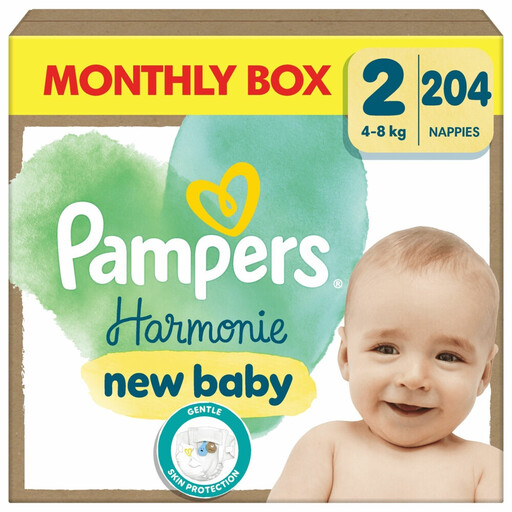
Why it suits this profile: This option is for parents who pay close attention to fragrances, lotion and material information when buying a monthly supply.
The product information states 0% fragrance and lotion. Check the label again when it arrives, especially if your baby has sensitive skin.
204 nappies, a wetness indicator, FSC-certified cellulose according to the product description, and OEKO-TEX Standard 100.
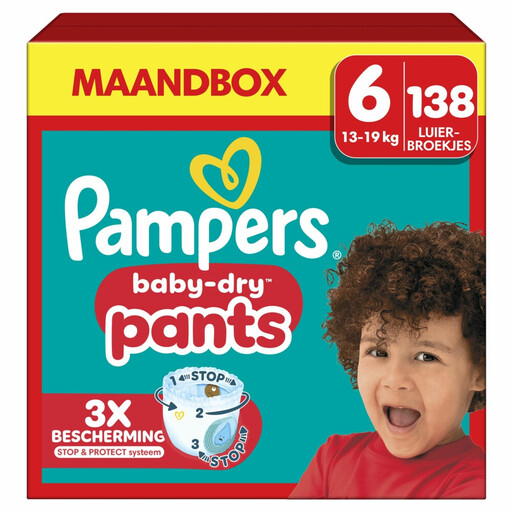
Why it suits this profile: Nappy pants are practical for active children who roll, crawl or stand during changes.
The 360° waistband and tear-away sides are handy for quick changes. Check that size 6 is right for your baby’s weight.
138 pants, an absorbent core, wider protective cuffs and OEKO-TEX Standard 100 according to the product information.

Why it suits this profile: The pack contains 960 wipes and is aimed at families who use plenty of wipes for changes and everyday care.
The description states that the wipes are fragrance-free, contain 99% purified water and are made from plastic-free cellulose. Seal each pack properly to help prevent the wipes from drying out.
12 packs of 80 wipes, OEKO-TEX certification according to the product information, and plant-based fibres.
We’ve put together a complete, up-to-date list of products that meet these strict selection criteria and current European safety requirements.
Don’t just compare the total price of a box. Work out the price per nappy or price per wipe too. A larger pack may look better value, but only if you use the products before the stated expiry information and buy the right size.
Store nappies and wipes in a cool, dry place away from direct sunlight. Seal wipes properly after every change. Put used wipes and nappies in your general waste and don’t flush baby wipes down the toilet, even if the packaging suggests otherwise.
It depends on your baby’s age and routine. A newborn often uses more nappies a day than a toddler. Keep a note of how many you use over a few days, then multiply that by the number of days you want to stock up for. Keep a small reserve of smaller sizes, as babies can grow quickly.
A formula with 99% water may appeal to many families, but check for fragrance, preservatives and other ingredients too. “99% water” doesn’t automatically mean a wipe will suit every child. If possible, try a small pack first.
Not necessarily. Plastic-free wipes may be made from plant-based fibres, but according to product information they usually belong in general waste. Don’t flush them, as they can cause blockages.
