
Vandaag of morgen in huis

Kwaliteit gegarandeerd

Welkomstaanbiedingen ontgrendelen: GRATIS bezorging | Tot 80% korting | Gratis 30 dagen JoyPlus-proefperiode
Download de app
A Pampers monthly nappy box may seem easy to choose: pick a size, compare the number of nappies and place your order. In practice, parents often buy a pack that’s too large, doesn’t fit properly or isn’t suitable for everyday use. This can mean part of a large pack goes unused, especially when your baby is growing quickly.
So don’t just look at the price per box. Check the size, the weight range the nappy is designed for, the fastening style and the features that matter for your situation.
A monthly box often contains plenty of nappies, but how many you use varies from child to child. Newborns generally need changing more often than toddlers. Night-time use, days at childcare and potty training can also affect how long your supply lasts.
So work out the price per nappy:
Total price ÷ number of nappies = price per nappy
A large box of nappies is most practical when your child has been in the same size for a while. For a newborn or during a growth spurt, it may be wiser to buy a smaller pack.
The age shown on a pack is just a guide. Weight and fit matter more. Pampers nappy sizes 1, 2 and 3 are designed for smaller babies, while sizes 4, 4+, 5, 5+, 6, 7 and 8 are suited to heavier or bigger children. The exact weight guidance may vary by product range.
A nappy that’s too small can leave marks around the waist or legs. A size that’s too big may leave gaps where leaks can occur. Check the size guide for the specific product before buying several boxes.
Terms such as “dry nights”, “soft on skin” and “leak-proof protection” sound reassuring, but they don’t always tell you how a product will work for your child. Look for features you can check, such as an absorbent core, stretchy sides, leak guards, a wetness indicator or a Stop & Protect pocket.
When a feature is mentioned by the brand, treat it as the manufacturer’s claim. For example, Pampers describes Baby-Dry as having an extra absorbent layer and offering leak protection. That doesn’t mean every nappy will prevent leaks in every situation.
A well-fitting nappy sits snugly without feeling tight. After changing your baby, look out for:
A navel-friendly cut-out can be useful for newborns. For older babies, stretchy sides and an elasticated waistband can help when your child is on the move.
An absorbent core draws moisture in. According to the product description, some Pampers Baby-Dry products have an extra absorbent layer and a Stop & Protect pocket at the back. The manufacturer describes them as offering overnight protection, but results still depend on the size, fit, amount of moisture and when the nappy is changed.
For overnight use, these features are particularly relevant:
If you’re looking for nappies for sensitive baby skin, you can look for terms such as dermatologically tested, 0% perfume or hypoallergenic. These terms have a specific context and don’t guarantee that every child will tolerate the product without any problems. Stop using the product if skin irritation occurs and follow the instructions on the pack.
Pampers Harmonie is described in the product information as hypoallergenic, with 0% perfume and lotion. The range also mentions OEKO-TEX Standard 100 and cellulose from FSC-certified or controlled sources. Pampers Premium Protection mentions dermatological testing and no EU fragrance allergens, among other features. Always check the label on the pack you receive, as product composition and information may change.

Why it suits this profile: A generous supply for everyday use, as long as size 4 fits well and your child isn’t likely to move up to a larger size soon.
The product description mentions stretchy sides, protective barriers and an extra absorbent layer. Just check first that size 4 is right for your child.
204 nappies per monthly box, a Stop & Protect pocket and OEKO-TEX Standard 100 certification according to the product information.
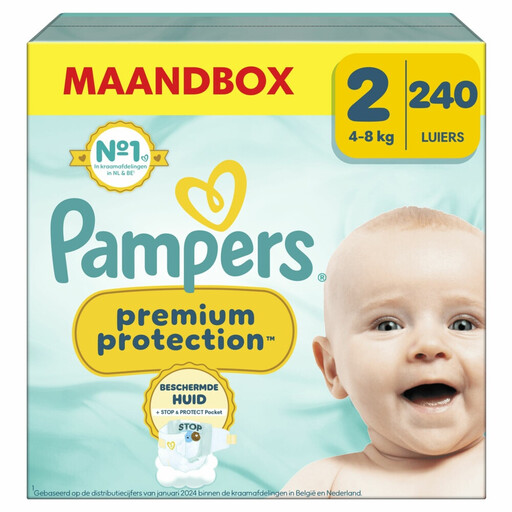
Why it suits this profile: Designed for parents of small babies who pay extra attention to soft materials, fit and product information relating to skin.
The product description mentions more than 1,000 absorbent micropores, a navel-friendly cut-out and a Stop & Protect pocket. Choose the size based on your baby’s weight.
240 nappies, dermatologically tested according to the product information, and no EU fragrance allergens.

Why it suits this profile: An in-between size for children who need more room than size 4 offers but aren’t ready for size 5 yet.
The 4+ size can help avoid a fit that’s too tight. The product description mentions an absorbent layer, stretchy sides and protective barriers.
198 nappies, size 4+ for 10 to 15 kg according to the product information, and no EU fragrance allergens according to the brand.
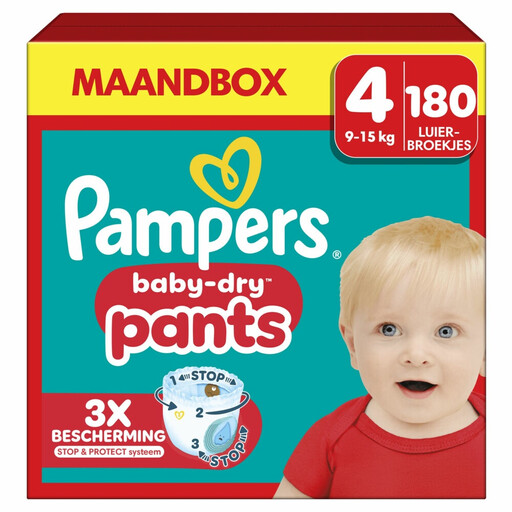
Why it suits this profile: Handy when your child is very active and changing a regular nappy has become more difficult.
According to the product description, the pants pull on and tear open at the sides. This avoids fiddling with fastening tabs when your child is active.
180 nappy pants, a flexible 360° waistband and an absorbent core according to the product information.
We’ve put together a complete, up-to-date list of products that meet these strict selection criteria and the applicable European safety regulations.
It depends on your child’s age and how often you change them. Newborn nappies are often used up more quickly than nappies for older children. Divide the number of nappies in the box by your average daily usage to estimate how long it will last. Treat a monthly box as an indication of supply, not a set amount for a fixed period.
Start with the weight guide on the pack, then check the fit. Size 1 is designed for the smallest babies, followed by sizes 2 and 3. Sizes 4, 4+, 5, 5+, 6, 7 and 8 are designed for bigger children. If you notice leaks or red marks, you may need a different size, but also check that the nappy is being put on properly.
According to Pampers Harmonie product information, these nappies are hypoallergenic, dermatologically tested and free from perfume and lotion. This is information from the brand, not a guarantee that every child will react in the same way. If redness or irritation occurs, follow the instructions and seek advice from a healthcare professional if needed.
