
Vandaag of morgen in huis

Kwaliteit gegarandeerd

Welkomstaanbiedingen ontgrendelen: GRATIS bezorging | Tot 80% korting | Gratis 30 dagen JoyPlus-proefperiode
Download de app
A Pampers monthly nappy box might seem like a straightforward purchase: choose a size, compare the number of nappies and check out. Yet parents often end up with too many nappies, the wrong size or a range that doesn’t suit their everyday needs. A monthly box can be good value, but only if the fit, absorbency and materials are right for your baby.
A pack with lots of nappies might seem like the best value. But that’s not the case if your baby is growing quickly and outgrows the size before you’ve used them all. First, check the weight guidance on the pack and make sure the current size still fits well. A nappy that’s too small can dig in and leak around the legs. One that’s too big may not fit securely.
It’s also worth thinking about how quickly you’ll use them. A box of 180 nappies may run out sooner with a newborn than with a toddler who needs changing less often. Treat the number of nappies as a guide to a month’s supply, rather than a guarantee.
Terms such as “leak-proof nappies”, “up to 12 hours dry” and “instant absorption” describe product claims, not a promise that they’ll work for every baby or in every situation. According to Pampers product information, certain Baby-Dry models are designed to help keep your baby dry for longer and provide overnight protection. Your experience will also depend on the size, fit, changing routine and amount of moisture.
Also check whether a claim is substantiated by the brand itself. For example, “dermatologically tested” doesn’t mean every baby will wear the nappy without a skin reaction. If you notice redness or irritation, stop using it and follow the instructions on the pack.
When choosing nappies for sensitive baby skin, many parents look at fragrances, lotion and certifications. This is more useful than relying on the product name alone. According to its product information, Pampers Harmonie contains 0% perfume and lotion, is hypoallergenic and is certified to OEKO-TEX Standard 100. Premium Protection and Baby-Dry state that they contain no EU fragrance allergens and have been dermatologically tested.
This information can help you compare products, but it can’t replace observing how your baby responds. Every baby may react differently to materials, moisture and friction.
Pampers nappies are available in sizes 1 to 8, but the weight ranges can vary between product lines and packs. Always check the weight in kilograms and assess the fit around the:
A well-fitting nappy won’t have large gaps, but it shouldn’t leave deep red marks either. If leaks happen repeatedly, sizing up isn’t always the answer. Another product line or model may suit your baby’s build and movement better.
Look at how the nappy is constructed. The product information provided mentions features including an absorbent core, stretchy sides, protective leg cuffs and a Stop & Protect pocket at the back. These features are relevant for overnight use and active babies.
The Premium Protection range states that it has more than 1,000 absorbent micropores and, in certain sizes, a cut-out designed to accommodate the umbilical cord. Baby-Dry lists an extra absorbent layer, a ComfortTouch outer layer and stretchy sides. These are product features you can check; they don’t mean leaks are impossible in every situation.
If you’re buying Pampers nappies for sensitive skin, look out for:
A certification tells you something about the standard or checks a product meets, but it doesn’t guarantee that it will suit every child. Store monthly boxes in a cool, dry place and keep packaging out of children’s reach.

Why it suits this profile: A large pack for parents buying Pampers nappies for everyday use who want to compare the price per nappy.
The weight and size label helps you avoid buying too many nappies in a size your baby is about to outgrow. Check it before ordering.
204 nappies, an extra absorbent layer, stretchy sides and a Stop & Protect pocket, according to the product description.

Why it suits this profile: Designed for newborns and parents who pay extra attention to fit, softness and information about skin contact.
The size 1 pack helps you avoid stocking up straight away on a larger size that may not fit. Check your baby’s weight and the umbilical cord cut-out.
180 nappies, ultra-soft materials, a Stop & Protect pocket and dermatologically tested, according to the product information.
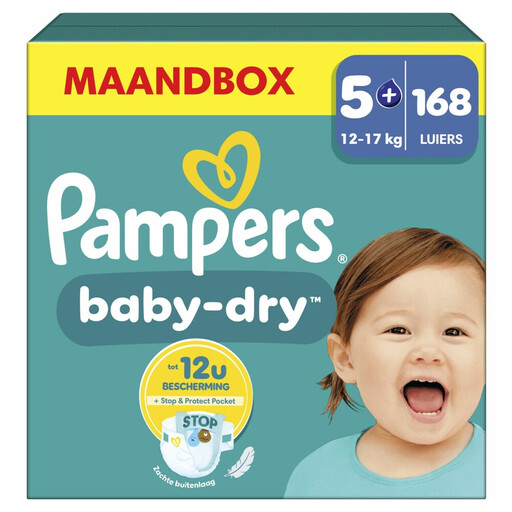
Why it suits this profile: A good fit for active children and families looking for a month’s supply for both day and night.
The stretchy sides and protective cuffs are useful for a child who moves around a lot. Make sure size 5+ is right for your child’s weight.
168 nappies, an extra absorbent layer, a ComfortTouch outer layer and a Stop & Protect pocket, according to the product description.
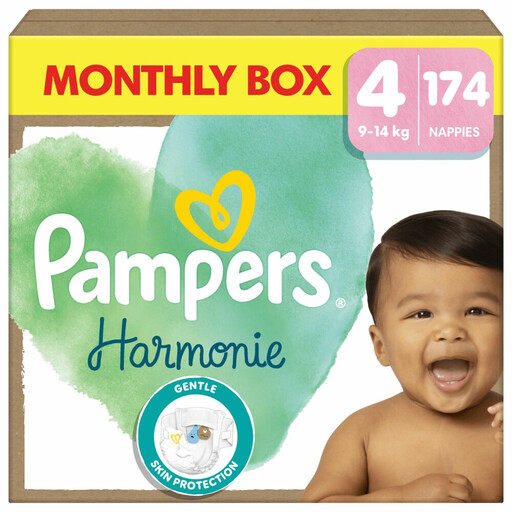
Why it suits this profile: For parents choosing nappies for sensitive baby skin who pay close attention to perfume, lotion, materials and a wetness indicator.
The product information states that it contains 0% perfume and lotion, so you don’t have to rely solely on general terms such as “soft”.
174 nappies, hypoallergenic according to the product information, a wetness indicator, OEKO-TEX Standard 100 and cellulose from FSC-certified sources.
We’ve put together a full, up-to-date list of products that meet these strict selection criteria and the applicable European safety requirements.
It varies depending on your baby’s age, feeding routine and how often you change them. Newborns often use more nappies per day than older children. Divide the number of nappies in the box by your estimated daily usage, and allow for growth spurts. If you’re moving up to a new size, consider buying a smaller pack first before ordering a large pack of baby nappies.
Store unopened nappies in a clean, dry place, away from direct sunlight. Check the pack for information on shelf life or use, and follow the manufacturer’s instructions. A monthly box isn’t a reason to buy more than you’ll use within a reasonable time, especially if your baby is close to moving up a size.
Don’t just compare the promotional price of a Pampers nappy offer; work out the price per nappy too. Also consider the pack size, nappy size, any delivery costs and the chance that you won’t use them all. A larger Pampers monthly box may work out cheaper per nappy, but a smaller box can help you avoid waste if your child is growing quickly.
