The success of a painting project hinges on the quality of your tools. Streaks on the wall, loose bristles in fresh paint, or a roller that splatters more than it covers—these are frustrations that can ruin the final result. Choosing the right painting tools is not a luxury, but a prerequisite for a flawless and professional finish. Whether you are a professional or a serious DIY enthusiast, the fundamental principles for selecting quality equipment are the same.
This guide will help you make an informed choice based on product specifications and practical applications.
What to Look For When Buying Painting Tools
Before purchasing a complete painting kit, it's helpful to understand the specifications. The right tool depends on the paint, the surface, and the scope of your project.
Job Type: Large Surfaces vs. Precision Work
- Walls and ceilings: For large, flat surfaces, a paint roller set is the most efficient choice. A wider roller (e.g., 25-30 cm) covers more area in less time. Pay attention to the pile height (nap) of the roller cover: a shorter pile is for smooth walls, while a longer pile is for textured walls.
- Frames, doors, and furniture: Here, precision is more important than speed. A quality paintbrush set with various sizes is essential. Flat brushes are suitable for larger areas, while round or sash brushes offer control for corners and edges. For an ultra-smooth finish on doors or cabinets, a mini foam roller or a microfibre mini-roller can be an excellent addition.
Brush and Roller Material
- Brush Bristles: Brushes with synthetic filaments (like polyester) are the standard for modern water-based (acrylic) paints and lacquers. They absorb less water, maintain their shape, and ensure a sharp, clean paint line. Brushes with natural bristles are traditionally used for oil-based (alkyd) paint.
- Roller Covers: Microfibre rollers are a popular choice because they hold a large amount of paint and release it evenly, resulting in a smooth, lint-free finish. They are suitable for most types of paint. Foam rollers are often used for water-based lacquer on smooth surfaces like doors, as they can provide a very fine, almost spray-like finish.
Ergonomics and Durability
For those who paint for hours, an ergonomic handle is not an unnecessary luxury. A well-balanced brush or roller frame reduces fatigue. Also, consider the construction: a stainless steel ferrule (the metal part of the brush) and a sturdy, adjustable roller frame made of a material like aluminium contribute to the longevity of your tools.
Our Recommendations for Painting Tools in 2026
Based on specifications and potential applications, we have curated a selection of ROLLINGDOG tools suitable for various painting projects.
1. ROLLINGDOG Doberman Paintbrush Set 5PC
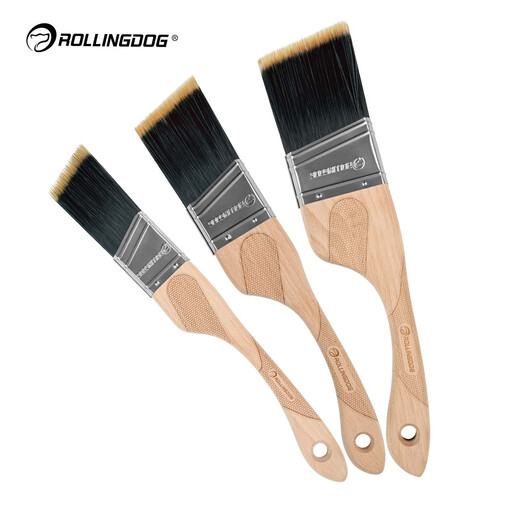
- Why this product: This set provides a practical foundation for most painting jobs in and around the home. The brushes are made with professional-grade polyester filaments, designed for high paint pickup and an even release.
- Benefits:
- Versatile sizes: The set includes three essential brush sizes (1.5", 2", 2.5") for both larger areas and precision work.
- Broad compatibility: Suitable for all paint types, including latex, acrylic, oil-based, and varnish.
- Durable construction: The brushes feature sturdy ferrules and ergonomic handles for balance and control.
- Who is this for: For both the DIY enthusiast seeking a reliable all-round paintbrush set and the professional needing a durable kit for daily use on walls, furniture, and frames. A great choice if you're looking for brushes for lacquer and wall paint in a single package.
2. ROLLINGDOG Molossus Paint Roller Set 305mm
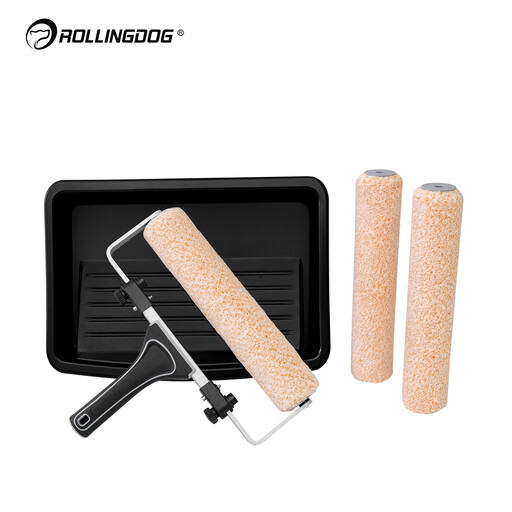
- Why this product: This set is designed for efficiency on large surfaces. The combination of a wide roller and high-quality microfibre covers allows you to paint walls and ceilings quickly and with even coverage.
- Benefits:
- Adjustable frame: The aluminium roller frame is adjustable from 9 to 12 inches (230-305mm), offering flexibility.
- Smooth finish: The Super-Micro microfibre roller covers (9.5mm nap) ensure a smooth, lint-free finish.
- Stable connection: The Secure-Click tapered fit provides a sturdy, wobble-free connection to an extension pole, facilitating safe overhead work.
- Who is this for: Ideal for professional painters, contractors, and serious DIYers tackling large renovation projects. An excellent paint roller for walls and ceilings.
3. ROLLINGDOG SUPER-MICRO Jumbo Mini Paint Roller Set 50mm
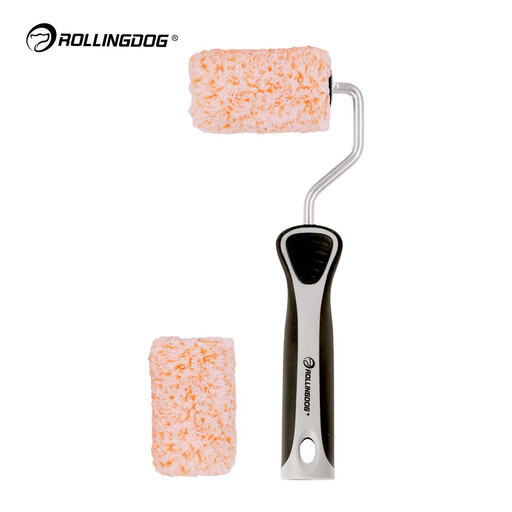
- Why this product: For projects where a large roller is too cumbersome and a brush doesn't provide the desired smooth finish, this mini-roller is the perfect solution. Its size is perfect for doors, cabinets, and other furniture.
- Benefits:
- Precision and control: The jumbo mini size (50mm) offers excellent control for a flawless finish on small to medium-sized surfaces.
- High capacity: The Super-Micro roller covers (9.5mm nap) have a high paint pickup for efficient work.
- Compatible with extension pole: The frame has a tapered fit and is compatible with standard extension poles for hard-to-reach areas.
- Who is this for: Users who want to give furniture, doors, cabinets, or other smooth to semi-smooth surfaces a professional, even finish without brush marks.
Haven't Found What You're Looking For? Explore More Painting Supplies
This selection covers the basics for common jobs. However, every project is unique. Sometimes you need specific masking tape, a paint tray with a grid, sandpaper, or a paint scraper to get the job done. For a complete overview of all the tools that can make your project a success, you can browse our wider range.
Explore our full range of Painting Supplies for more options.
Frequently Asked Questions About Painting Tools
What is the difference between a brush with synthetic and natural bristles?
Synthetic brushes (polyester, nylon) are best suited for water-based paints (acrylic/latex). The filaments do not absorb water, allowing them to retain their stiffness and shape for a crisp line. Natural brushes (hog hair) are traditionally used for oil-based paints (alkyd). The bristles have flagged tips that hold more paint and ensure a smooth application.
How do I properly clean my paint rollers and brushes?
Clean your tools immediately after use. For water-based paint, use lukewarm water and, if necessary, some mild soap. Rinse until the water runs clear. For oil-based paint, use mineral spirits or a solvent recommended by the paint manufacturer. Squeeze out excess moisture from the brush or roller and let them dry by hanging or laying them flat to maintain their shape.
Do I need a complete painting kit for a small job?
Not always. For a small repair or painting a single object, like a chair, one good brush and a small roller may be sufficient. However, a complete painting kit is often more cost-effective if you are tackling an entire room or multiple pieces of furniture, as you will have all the necessary sizes and types of tools readily available.
Written by the Joybuy Product Recommendation Officer