
Vandaag of morgen in huis

Kwaliteit gegarandeerd

Welkomstaanbiedingen ontgrendelen: GRATIS bezorging | Tot 80% korting | Gratis 30 dagen JoyPlus-proefperiode
Download de app
A bottle of oyster sauce may seem like a simple choice, but there are significant differences between Chinese oyster sauce, Thai oyster sauce and vegetarian versions. One sauce may be thick and sweet, while another has a saltier flavour. Sizes also vary, from a small bottle for occasional use to a multi-litre pack for food service.
As a Joybuy Product Recommendation Officer, I focus on practical product details. That way, you don’t have to rely solely on an eye-catching label or a term such as “premium”.
A product name containing “premium” or “thick” doesn’t automatically mean the flavour will suit your cooking. Check the ingredients list, the proportion of oyster extract and the nutritional information. For example, Lee Kum Kee Premium Oyster Sauce lists oyster extract alongside water, sugar, salt and modified cornflour.
It’s also worth comparing products. Lee Kum Kee Panda Oyster Sauce 255 g lists 3% oyster extract, while other sauces may contain a different percentage or have a different recipe. A higher percentage isn’t the only thing to consider: the sweetness, thickness and intended use all matter.
Oyster sauce is a concentrated seasoning, so you’ll usually only need one or two tablespoons per dish. Even so, nutritional values can vary considerably between brands. The Lee Kum Kee Premium version lists 12.5 grams of salt and 18.8 grams of sugar per 100 grams. The 255-gram Panda version lists 29.5 grams of salt per 100 grams.
Always compare the label on the exact pack you’re buying. If the sauce is salty, use less extra soy sauce, stock or salt in your recipe.
Traditional oyster sauce usually contains oysters or molluscs. Many varieties also contain soya and wheat. This makes them unsuitable for people with certain allergies and generally unsuitable for vegetarians and vegans.
Vegetarian oyster sauce, for example, uses mushroom or soya extracts to create a savoury flavour. Still, check the full ingredients list. Don’t confuse “vegetarian” or “oyster flavour” with a traditional sauce made from oysters.
First, check what the sauce is made from:
The product description for Lee Kum Kee Vegetarian Oyster Flavour Sauce lists soya extract and mushroom extract, with no oysters. This makes it suitable for a plant-based menu, but always check the current packaging if you’re vegan.
Chinese oyster sauce is often used in stir-fries, steamed dishes and stews. Thai oyster sauce works well in Thai stir-fries, fried rice and marinades. That doesn’t mean you can only use them this way; these are practical guidelines to help you choose a flavour.
Consider the following:
For home use, 230 to 600 grams or millilitres is usually a manageable size. If you stir-fry often, you might prefer a larger pack. For food service or high-volume use, sizes of 2.27 kg and 4.5 litres are available.
After opening, the product information will usually advise keeping the bottle refrigerated. Always follow the instructions on the label, as shelf life and storage advice vary by brand. A large pack is only good value if you use the sauce regularly before its quality starts to deteriorate.
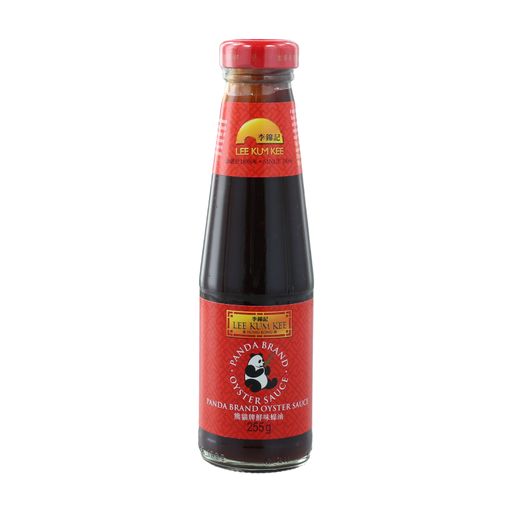
Why it suits this profile: The 255-gram pack is a good size if you want to try oyster sauce for the first time or only cook Asian dishes occasionally. According to the product description, the sauce can be used for stir-frying, marinating and dipping.
The smaller pack helps reduce waste. However, note its high salt content of 29.5 grams per 100 grams and adjust the amount you use in your recipe accordingly.
255 g pack; suitable for marinades, stir-fries and as a dipping sauce; oyster extract and wheat are clearly listed as ingredients and allergens.
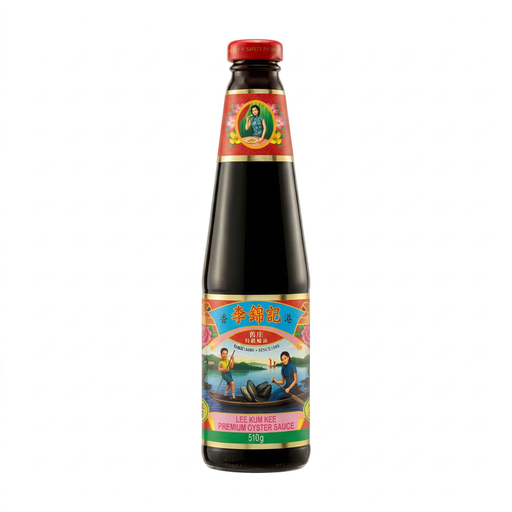
Why it suits this profile: The product description highlights a rich flavour and aroma, and suggests using it in stir-fries, marinades, sauces and dim sum. The 510-gram pack is a good choice for regular home use.
The specifications make it clear that this sauce contains oyster extract and molluscs, and has 12.5 grams of salt per 100 grams. This lets you check the flavour and allergens before you buy.
510 g; suitable for cooking and dipping; clear nutritional information; refrigerate after opening, according to the product information.
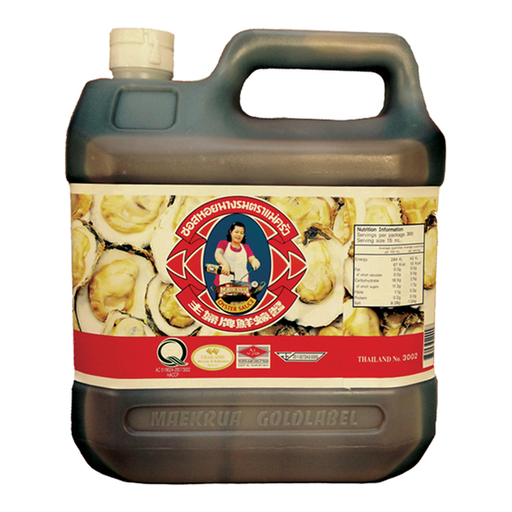
Why it suits this profile: This catering-size pack is aimed at restaurants, caterers and other high-volume users. According to the product description, the sauce is intended for stir-fries, marinades, dipping sauces and other Asian dishes.
The large size means fewer small bottles when you use oyster sauce frequently. Only buy this pack if you’ll use enough of it and can store it in the fridge after opening.
4.5 litres; suitable for food service and high-volume use; lists 30% oyster extract; nutritional information and allergens are included in the product information.
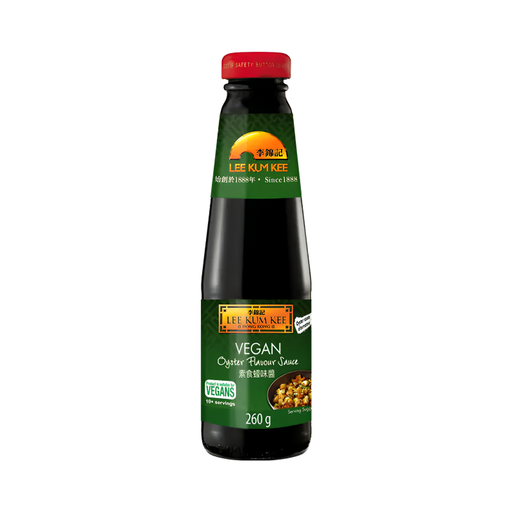
Why it suits this profile: According to the product description, this version contains no oysters and uses soya and mushroom extracts for a savoury flavour. It works well in vegetable and tofu stir-fries, with noodles and in marinades.
The ingredients list soya and mushroom instead of oyster. If you have allergies or follow a strict vegan diet, always check the current packaging.
260 g; suitable for plant-based dishes; soya listed as an allergen; can be used as a seasoning, marinade or dipping sauce.
We’ve put together a complete, up-to-date list of products that meet these strict selection criteria and comply with current European safety regulations.
Oyster sauce is ideal for stir-fries, marinades, stews and dipping sauces. Usually, add it during cooking or towards the end. This helps preserve its distinctive flavour and stops a sweet sauce from caramelising too much.
It varies by brand and pack. Store opened oyster sauce according to the label, usually tightly sealed in the fridge. Check its smell, colour and texture, and use the date on the packaging as a guide. Refrigerated storage is especially important for large food-service packs.
Choose a sauce clearly labelled as vegetarian and check the ingredients. A mushroom- or soya-based version can offer a similar savoury flavour, but its sweetness, thickness and salt content may differ from traditional oyster sauce.
