
Vandaag of morgen in huis

Kwaliteit gegarandeerd

Welkomstaanbiedingen ontgrendelen: GRATIS bezorging | Tot 80% korting | Gratis 30 dagen JoyPlus-proefperiode
Download de app
A bottle of oyster sauce may seem simple to choose, but the differences between brands and varieties are noticeable in practice. Some sauces are thick and sweet, while others are more fluid and have a stronger salty flavour. The percentage of oyster extract, packaging and the presence of allergens also vary.
If you only pay attention to words such as “authentic”, “premium” or “thick”, you may end up buying a product that does not suit your kitchen. Below are the key points to consider, followed by some popular choices for different uses.
Oyster sauce often consists largely of water, sugar, salt, starch and flavour enhancers. The proportion of oyster extract can vary considerably. For example, Lee Kum Kee Panda Oyster Sauce 255g lists 3% oyster extractives, while Maekrua Oyster Sauce 600 ml lists 30% oyster extract. A larger bottle is therefore not automatically better value if you are mainly looking for a pronounced oyster flavour.
Always check the quantitative ingredient declaration on the label. Also look at the nutritional values, particularly the sugar and salt content per 100 grams.
A thick oyster sauce clings well to vegetables, meat, tofu or noodles. This is useful for stir-fries and glazes, but a very syrupy sauce may be less suitable as a table dip or when you want to make a light dressing.
For a marinade, you can thin a thick sauce with rice wine, water, sesame oil or soy sauce, for example. Use very little extra salt, as oyster sauce is often naturally high in salt.
A vegetarian oyster sauce generally contains no oysters, but uses mushroom or soy extract, for example, to create a savoury flavour. Lee Kum Kee Vegetarian Oyster Flavour Sauce lists water, sugar, salt, soy extract and mushroom extract as ingredients, and identifies soya as an allergen.
Always check the full label when preparing a vegan meal. The term “vegetarian” does not automatically mean that a product is also vegan. Also look for cross-contamination information and check the current packaging.
For an authentic oyster sauce, the proportion of oyster extract is a useful point of comparison, but it is not the only one. Sugar, salt, soy sauce, starch and flavour enhancers also affect the result.
Brands may make claims about their own product characteristics. Treat such information as a brand claim unless it can be directly verified against the ingredients list or nutritional information table. Based on a brand’s own research, for example, a sauce may be described as “rich” or “balanced”; the exact composition on the label remains the practical point of reference.
Choose a syrupy variety for:
A thinner or easier-to-dose variety may be more convenient as oyster sauce for dipping. A squeeze bottle, such as the LKK Panda Brand Squeezy Bottle 490g, helps you add small quantities with greater control.
For a Dutch household, 245 to 720 grams is generally easier to manage than a catering-size pack. If you cook Asian food several times a week, you could consider 815 grams, 907 grams or more. For restaurants, catering and large families, packs such as 2.27 kg or 4.5 litres may be more efficient, but only if the bottle will be used quickly enough.
Always check:
Some products explicitly state that they should be refrigerated after opening, while other labels mainly advise keeping the packaging tightly closed and away from heat. In all cases, follow the instructions on the actual packaging.
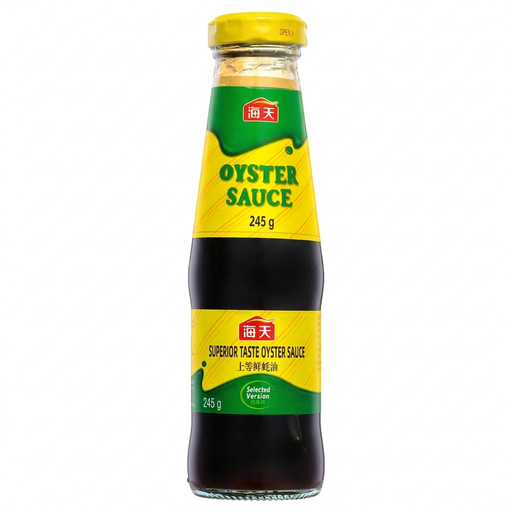
Why it suits this profile: The 245-gram size is practical if you want to try Chinese oyster sauce first without building up a large stock.
The product specification lists 1% oyster extract, allowing you to set your flavour expectations based on the composition rather than the brand name alone.
Suitable for stir-frying, marinating and use as a table condiment; contains 245 grams and lists allergens including molluscs, wheat and soya.
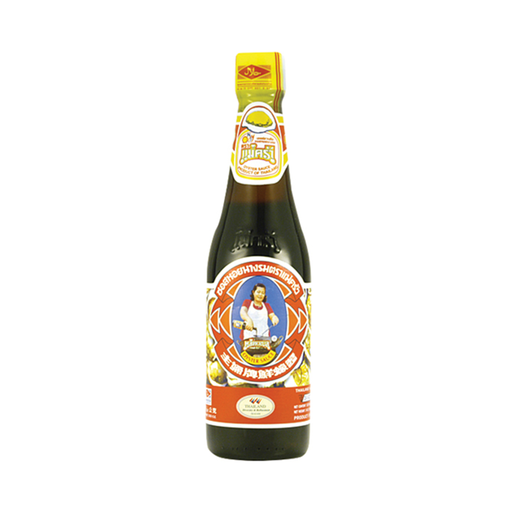
Why it suits this profile: This Thai variety lists 30% oyster extract and is intended for stir-frying, marinating and dipping sauces.
The stated extract percentage makes it easier to compare this sauce with varieties containing a lower percentage.
Contains 600 ml; according to the product information, it has 67 kcal per 100 ml and is suitable for Thai and other South-east Asian dishes.
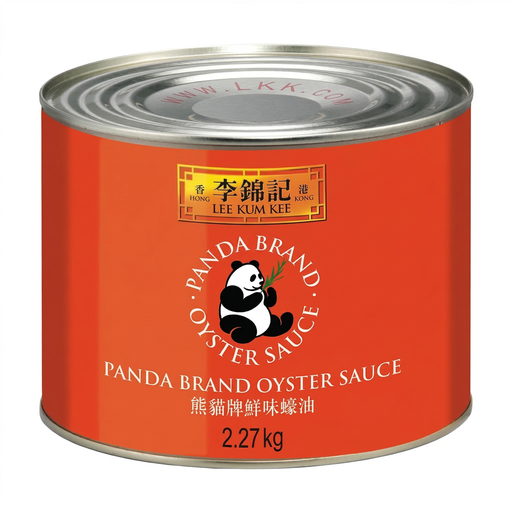
Why it suits this profile: The large pack is intended for intensive use in a professional kitchen, catering environment or large household.
You are not paying for a small bottle when oyster sauce is used every day. However, check in advance that you will use the contents within the stated storage period.
Contains 2.27 kg; according to the product information, it is suitable for stir-frying, braising, marinating and dipping.
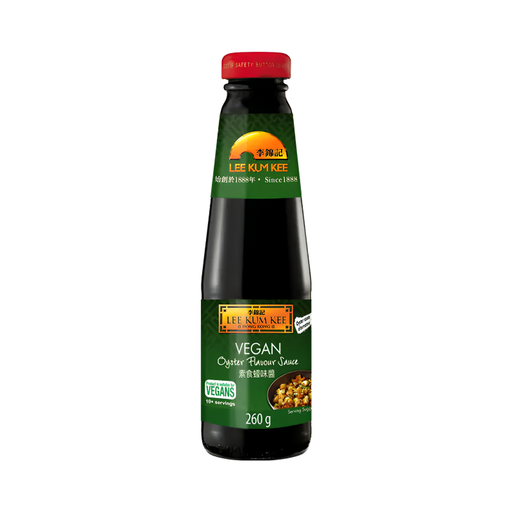
Why it suits this profile: This sauce uses soy and mushroom extract instead of oysters and is designed for plant-based stir-fries, tofu dishes and noodle recipes.
The ingredients list contains no oysters; soya is listed as an allergen. Check the packaging when cooking strictly vegan food.
Contains 260 grams and is suitable for vegetables, tofu, noodles, marinades and dipping sauces.
We have compiled a complete, up-to-date list of products that fully meet these strict selection criteria and the applicable European safety regulations.
No. Oyster sauce is usually thicker and often contains sugar, starch and oyster extract. Fish sauce is generally thinner and saltier, with fermented fish as its base. You cannot always substitute one for the other without adjusting the flavour and texture of a dish.
This varies by product. Many labels advise refrigerating after opening. Other varieties mainly need to be kept tightly closed, in a cool place and away from direct sunlight. Therefore, check the packaging and do not use a product if the bottle is damaged or its smell, colour or texture has clearly changed.
For stir-fries, a sauce with good adhesion is usually a convenient choice. A thick variety, such as Healthy Boy Thick Oyster Sauce 350g or 815g, clings to vegetables, meat and noodles. Add the sauce towards the end of stir-frying to reduce the risk of the sugars burning.
