
Workshop host baking several tarts
You want participants to bake at the same time. Check how many of your own tins and trays will actually fit; the Consumentenbond also advises checking an oven’s usable interior dimensions.


Start with the size of your tart tin and how many tarts you need to bake at once. Check the usable interior space, the oven setting you need and whether your trays will fit, rather than looking at capacity in litres alone. A freestanding oven is suitable for a workshop space without a suitable built-in recess, provided there’s a safe place for it. A built-in oven is an option if the recess is suitable and you regularly want to bake several tarts at once. In either case, check the model’s dimensions and connection requirements.
You want participants to bake at the same time. Check how many of your own tins and trays will actually fit; the Consumentenbond also advises checking an oven’s usable interior dimensions.
You mainly want to know whether your own tin will fit in the oven and whether it has the setting required by your recipe. An Allerhande spinach and cheese tart recipe specifies a 26 cm diameter tin; measure your own tin to check.
You’ll need to consider the available worktop space or whether there’s a suitable built-in recess. If you choose a freestanding model, follow the manufacturer’s placement and usage instructions too.
The main difference between a freestanding oven and a built-in oven is how they’re installed. Measure the available space first, then work out how many tins need to fit at once.
Suitable when: there’s no suitable built-in recess and the worktop has room for your chosen model and tart tin.
Bear in mind: the worktop space required and the placement instructions for the specific model.
Suitable when: the workshop kitchen has a suitable recess and you regularly want to bake several tarts at once.
Bear in mind: the recess dimensions, connection requirements and the space taken up by your tins and accessories.
| What to consider | What to check when buying | Who is this most important to? |
|---|---|---|
| Tin and one tart | Measure your own tin and compare it with the usable interior dimensions; also check the oven setting you need. | If I’m baking one tart, I want to know whether my tin will fit and whether I can use the recipe’s recommended setting. Around 36% of consumers prioritise whether a tin fits when baking one tart. |
| Several tarts at once | Check which tins and trays will fit at the same time and which accessories are included. | When participants are baking at the same time, I want to know whether the planned arrangement will actually fit in the oven. Around 29% of consumers prioritise being able to bake several items at once. |
| Placement and connection | Measure the available worktop space or built-in recess and follow the model’s installation instructions. | In a temporary space, I first need to work out where the oven can be safely placed or built in. Around 21% of consumers prioritise the space available. |
| Controls, cleaning and energy use | Check the oven settings and cleaning function you need; compare the stated energy use per baking cycle. | If the oven will be used often for workshops, I also want to consider how easy it is to set, clean and run. Around 14% of consumers prioritise these practical considerations. |
The stated capacity doesn’t tell you whether your tart tin will fit inside the oven. For a workshop, you also need to consider the space required for your planned set-up.
Measure your largest tin and compare it with the usable interior dimensions; also check the shelf positions and included accessories.
If your tin doesn’t fit or a tray is missing, you may need to buy different accessories.
A stated ability to bake on several levels doesn’t confirm that every combination of tins and trays will fit.
Check the manual and plan how you’ll arrange the tins and trays in advance.
If the tins or accessories don’t fit at the same time, you may need an extra baking round.
Capacity alone doesn’t tell you how much energy a baking cycle uses. Milieu Centraal recommends comparing energy use per baking session.
Compare suitable models using their stated energy use per baking cycle, and make sure the figures are based on the same measure.
A similar brand name doesn’t mean it’s the same model or version.
Check the full model number and its specifications on the product page before choosing a model.
An example of a freestanding oven: Inventum lists a 60-litre capacity, fan-assisted cooking and conventional top and bottom heat for the OV607B.
An example of a built-in oven: Bosch lists conventional top and bottom heat and 3D Hot Air for up to three shelf levels for the HBA534BS3.
An example of a built-in oven: Siemens lists 3D hotAir for up to three shelf levels and telescopic rails for the HB534AER3.
An example of a more compact freestanding option: the manufacturer lists a 42-litre capacity, fan-assisted cooking and separately selectable top and bottom heat for the TO 2058.
An example of a built-in oven with pyrolytic cleaning: AEG lists a 72-litre capacity and baking on three levels for the OU5PB40WPK.
These product picks are built-in ovens. Consider them only if the workshop space has a suitable recess, and check that your tins fit and that the chosen model’s installation requirements can be met.
 No image available
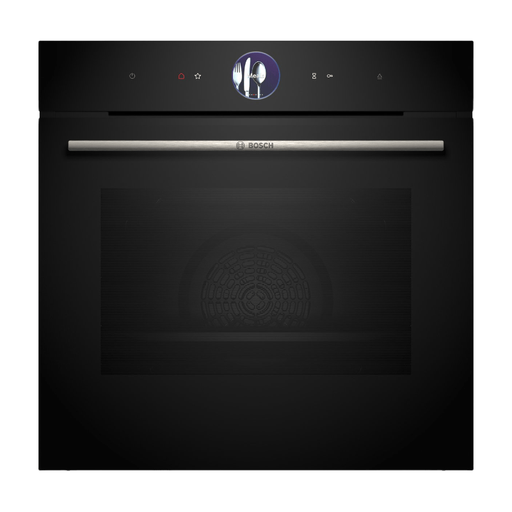
Worth considering if you’re looking for a built-in oven; check that the recess and your tart tin will fit your planned set-up.
The product name lists 60 × 60 cm, an Air Fry function and PerfectBake Plus.
 No image available
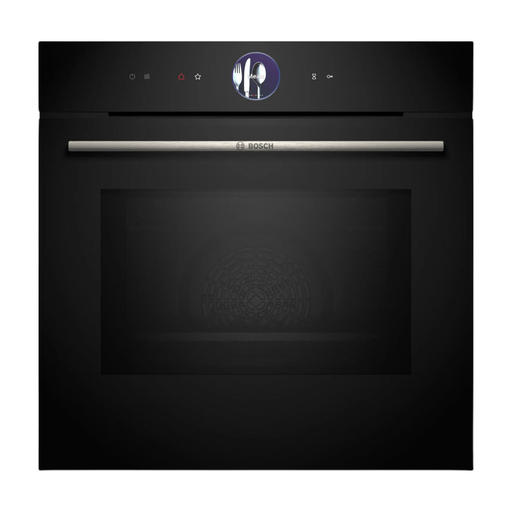
Worth considering for a workshop space with a suitable recess; measure your own tins before estimating how much baking space is available.
The product name lists a 71-litre capacity, pyrolytic cleaning, 3D Hot Air and Home Connect.
 No image available
Worth considering if you’re looking for a built-in oven; check that your workshop tins and trays fit on the shelf levels you want to use.
The product name lists a 71-litre capacity, 3D Hot Air and a stainless steel finish.
 No image available
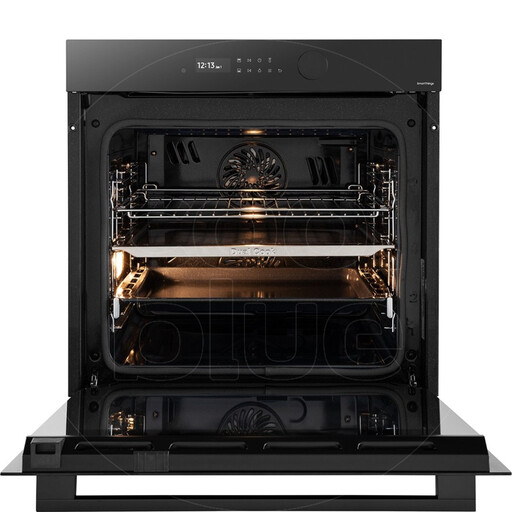
Worth considering if you’re looking for a built-in oven; check the recess and whether your arrangement of tins suits the number of tarts you plan to bake.
The product name lists Dual Cook, pyrolytic cleaning and an AirFry function.
 No image available
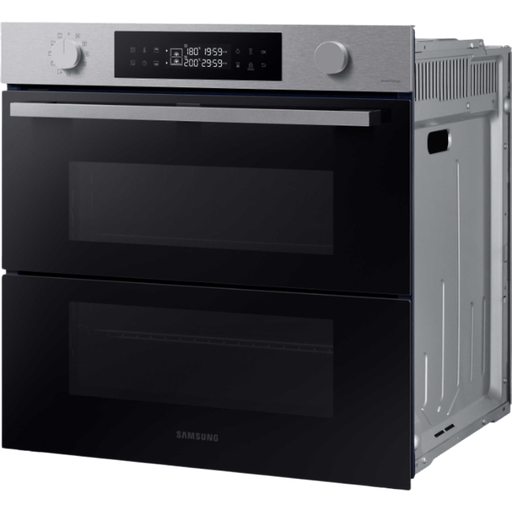
Worth considering if the workshop space has a suitable recess; check the dimensions and whether your planned tins will fit at the same time.
The product name lists Flex Dual Cook, hydrolytic cleaning and SmartThings.
Follow the instructions in your chosen recipe. The Allerhande spinach and cheese tart recipe says to preheat the oven to 200 °C and bake the tart in the centre of the oven. This advice applies to that recipe and not necessarily to every quiche.
No. Check the usable interior dimensions and measure your own tin. The Consumentenbond advises checking whether your largest oven dish will fit; the stated oven capacity alone doesn’t confirm this.
Check how many of your own tins and trays will fit at the same time, not just how many shelf levels the manufacturer lists. Bosch and Siemens state that specific models can use fan-assisted cooking on up to three shelf levels; this alone doesn’t confirm whether your arrangement will fit.
A freestanding oven suits a space without a suitable built-in recess, provided there’s a safe place for it. A built-in oven is an option if the recess and connection are suitable. For either option, check the dimensions and placement instructions for the specific model.
Compare the stated energy use per baking cycle for models that meet your space and baking requirements. Milieu Centraal recommends comparing energy use per use or per year; make sure you’re comparing figures based on the same measure.