
Workshop host running several batches
You’ll want to avoid keeping participants waiting for a single oven. The number of biscuit trays that fit at once determines how much you can bake per batch.


Choose based on how many suitable baking trays you need per batch and where the oven will go. A freestanding oven suits a portable, small-scale set-up; a built-in oven is a good fit for a permanent kitchen; and a professional convection oven may be right if its greater tray capacity suits your space and electrical supply. Test your chosen oven setting in advance: Laura’s Bakery recommends 180 °C with conventional top and bottom heat for shortbread biscuits, so don’t assume the same setting will work for a fan oven.
You’ll want to avoid keeping participants waiting for a single oven. The number of biscuit trays that fit at once determines how much you can bake per batch.
You want consistent results with the same recipe and easy-to-use oven settings. Laura’s Bakery provides a basic shortbread biscuit recipe, while the Consumentenbond describes tests comparing baking results on several oven levels.
You need a portable set-up, so check in advance that there’s enough worktop space and that the electrical connection is suitable. The Fire Service recommends plugging high-power appliances directly into a socket wherever possible.
A good fit for: a small workshop at different venues, where there’s no built-in oven space.
Bear in mind: you’ll need worktop space; check how many suitable baking trays are actually included.
A good fit for: a permanent workshop kitchen where you want to bake on several levels.
Bear in mind: measure the oven housing and check the baking levels, included trays and electrical connection for each model.
A good fit for: workshops where domestic oven set-ups don’t provide the tray capacity you need.
Bear in mind: check the tray sizes, accessories, installation requirements and electrical connection for the exact model.
| What to consider | What should you check? | Who is this important for? |
|---|---|---|
| Baking trays per batch | Compare the dimensions of suitable trays, usable oven levels and the number of trays included. | When running several workshop groups, I want to use enough suitable trays to reduce the number of batches. Around 36% of consumers prioritise baking tray capacity. |
| Consistent baking results | Check the oven settings and, before the workshop, test a tray with the same biscuits and load. | If I use the same recipe regularly, I want to know which oven setting works best, including when baking several trays. Around 29% of consumers give consistency the highest priority. |
| Positioning and electrical connection | Measure the available space and compare the installation instructions and rated power of the exact model with the venue. | At different venues, I want to know in advance whether the oven can be positioned safely and connected to the available supply. Around 21% of consumers prioritise suitability for their location. |
| Accessories and maintenance | Check which suitable trays are included and what cleaning steps are listed in the product information. | I want to know in advance which accessories I’ll need and how much maintenance the set-up requires. Around 14% of consumers put accessories and practical maintenance first. |
An oven may have several baking levels without including the same number of suitable trays.
Compare the number of suitable trays included with the exact model against the batches you want to bake.
The shortbread biscuit recipe consulted specifies conventional top and bottom heat. The adjustment for a fan oven depends on the oven.
Before the workshop, bake a test tray using your chosen oven setting and note the settings you used.
Shelf positions, compatible tray sizes, included accessories and installation requirements are all separate things to check.
Compare the exact model and its electrical connection with your work area and the trays you need.
You may need extra preparation if you require additional compatible trays or changes to your work area.
Freestanding domestic ovens such as the OV457B are worth considering if your workshop venue doesn’t have a built-in oven space.
Built-in ovens such as the HBA4340B3 may suit a permanent kitchen where you want to bake on several levels.
The KOEBH09H built-in oven is one option for a permanent kitchen where you’re considering baking on several levels.
The compact Universal A120880 professional fan oven is an example of a model for a work area with several shelf positions.
The BAKERLUX SHOP.Pro LED XEFR-03EU-ELDV is a professional convection oven for those looking to use larger bakery trays.
These models include freestanding and built-in ovens for a shortbread biscuit workshop. Check the suitable trays, positioning and electrical connection for each oven.
 Image unavailable
Suitable for a freestanding workshop set-up. Keep the ventilation openings clear and participants away from hot surfaces.
The product information lists a turbo fan, four shelf positions and a 90-minute timer. Check how many suitable baking trays you need.
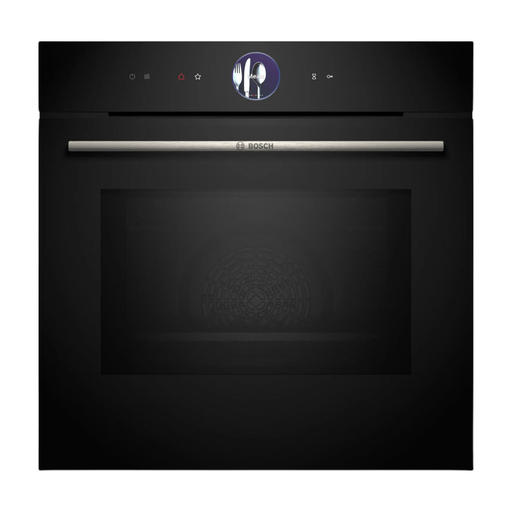 Image unavailable
Suitable for a permanent kitchen. Measure the oven housing and check that the electrical connection is suitable.
The product information lists 4D Hotair, 20 heating settings and a temperature range of 30–300 °C. Bear in mind that surfaces get hot during and immediately after use.
 Image unavailable
Suitable for a permanent kitchen where you want to bake on several levels; the product information lists a maximum of three levels.
According to the product information, the oven has 3D Hotair. Have the oven installed by a qualified electrician and ensure there’s adequate ventilation.
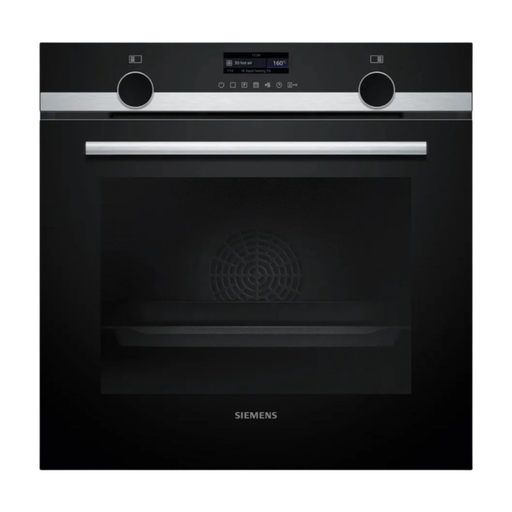 Image unavailable
Suitable for a permanent kitchen. Follow the installation instructions for this model.
The product information lists convection cooking, five oven levels and a temperature range of 30–275 °C. Surfaces can get hot; don’t leave the appliance unattended while it’s in use.
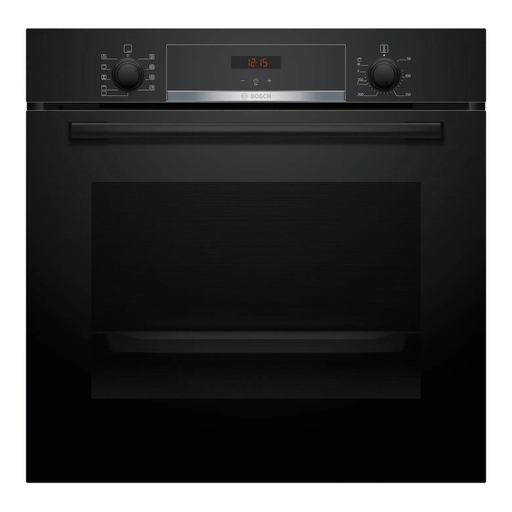 Image unavailable
Suitable for a permanent kitchen with a compatible oven housing and electrical connection; the product information lists convection cooking.
According to the product information, the oven has seven programmes and a temperature range of 50–275 °C. Bear in mind that surfaces get hot during use.
Don’t automatically use the same oven setting: Laura’s Bakery’s recipe specifies 180 °C and 14–16 minutes using conventional top and bottom heat. Laura’s Bakery suggests reducing the temperature by 10–20% for a fan oven, depending on the oven. So bake a test tray in your own oven first.
Read the positioning and safety instructions for the exact model, check the available electrical connection and keep hot surfaces out of participants’ reach. The Fire Service recommends plugging high-power appliances directly into a socket wherever possible, rather than using a cable reel or extension block.
No. Electrolux specifies baking on three levels for the KOEBH09H, but lists two included baking trays. Before buying, check how many suitable trays are supplied with the exact model.
The NVWA requires businesses that prepare, process or sell food to work with an HACCP food safety plan or an applicable hygiene code. According to the NVWA, anyone offering unpackaged food to consumers must provide information about the 14 allergens. Exactly how this applies depends on how you organise your workshop; these aren’t general buying requirements for everyone purchasing an oven.
Before buying, check which suitable baking trays are included and which service terms apply to the intended use. This will help you make sure the accessories and support meet the needs of your workshop set-up.