
Baker with a large baking dish
Wants to make a larger batch of rice pudding at the weekend and mainly checks whether their dish will fit in the oven. The Dutch Consumers’ Association recommends comparing the dish with the oven’s internal dimensions.


Choose an oven that fits your baking dish based on its internal dimensions and has the oven setting your recipe calls for. For example, a recipe from My Food Blog uses a fan setting at 175 °C; other recipes may specify different settings and cooking steps. A compact freestanding oven may suit a smaller dish and a kitchen without a built-in space. With larger or built-in models, you’ll also need to consider the space available and energy consumption.
Wants to make a larger batch of rice pudding at the weekend and mainly checks whether their dish will fit in the oven. The Dutch Consumers’ Association recommends comparing the dish with the oven’s internal dimensions.
Is looking for a freestanding oven and wants to match its capacity to their baking dish and available worktop space. Models from Severin and Inventum are examples of freestanding ovens.
Wants to follow the recipe, so checks which heating settings the oven offers. Fan and conventional heat are different settings; check which one the recipe specifies.
| What to consider | What should you check? | Who is this important for? |
|---|---|---|
| Will the baking dish fit? | Measure your largest baking dish and compare it with the internal dimensions and opening of the exact model. | If I use a larger dish, I want to know before buying whether it will actually fit in the oven. Around 36% of consumers prioritise space for their dish when choosing an oven. |
| Will the oven fit in the kitchen? | Choose between freestanding and built-in; for a built-in model, compare the recess dimensions and installation requirements with your kitchen. | If I don’t have a suitable built-in space, the oven needs to fit in a suitable spot; with a built-in model, I want to be sure it will fit the recess. Around 29% of consumers focus mainly on where the oven will go. |
| Is the oven setting right for the recipe? | Check the required heating setting, temperature range and, if the recipe relies on one, the timer. | If I’m following a particular recipe, I want to be able to set the specified setting and temperature. Around 21% of consumers prioritise a good match between the recipe and oven setting. |
| Are the size and features right? | Compare the essential features you need and, where relevant, energy consumption per cycle on a like-for-like basis. | If I mainly bake at weekends, I don’t want to choose a size or features I don’t need. Around 14% of consumers focus mainly on ease of use and energy consumption. |
The capacity in litres doesn’t tell you whether your baking dish will fit through the opening or sit properly inside the oven. That’s why the Dutch Consumers’ Association highlights the importance of checking the internal dimensions.
Measure your dish and compare its dimensions with the information for the exact model. Also measure the space where the oven will go.
According to the Dutch Consumers’ Association, combination microwaves may offer fewer oven settings and shelf positions than appliances designed primarily for baking.
Check the oven settings and usable space of the exact combination model against your recipe and baking dish.
The European Commission excludes small and portable ovens from the scope of the specific oven energy labelling rules. This alone says nothing about the performance of an oven.
First check which product category the model belongs to. Compare energy consumption per cycle only for models covered by the label, and on a like-for-like basis.
Freestanding mini ovens such as the TO 2067 are worth considering if you’re not looking for a built-in oven.
The freestanding OV607B is an example to consider if you want a higher stated capacity without a built-in model.
The HBA534BS3 built-in oven is an example of a model with several heating systems.
The OM670MZ built-in oven is worth considering if your kitchen has a suitable recess.
This selection includes freestanding ovens, built-in ovens and a built-in combination oven. Compare the dimensions, oven settings and stated features with your kitchen, baking dish and recipe.
 No image available
A freestanding model to consider if you want to use a larger dish without needing a built-in space.
The product information lists a 65 L capacity, six functions, a turbo fan and a 90-minute timer. The internal dimensions will determine whether your dish fits.
Place the oven on a flat, heat-resistant surface and keep the ventilation openings clear.
 No image available
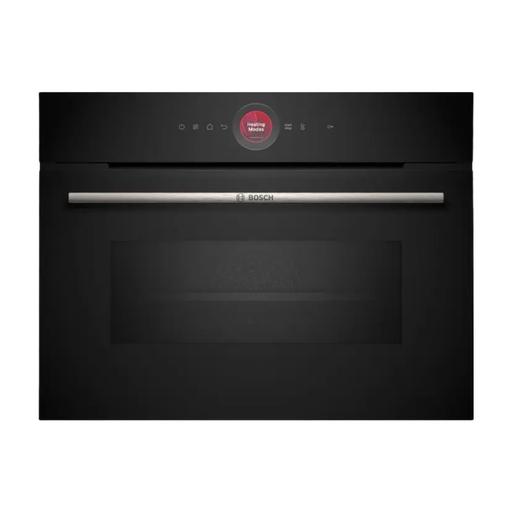
An option to consider if you’re looking for a built-in oven with a microwave function in one appliance.
The product information lists a 45 L capacity, convection, a grill and a microwave; the product name gives the microwave power as 900 W. The temperature range is 40–230 °C.
Check that the recess is suitable and follow the installation instructions.
 No image available
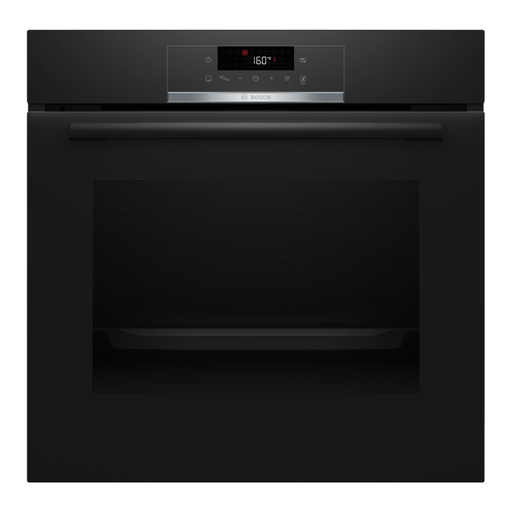
A built-in model to compare if you’re looking for a higher stated capacity and several baking settings.
The product information lists a 71 L capacity, 3D Hotair, top and bottom heat, and baking on up to three levels. The stated temperature range is 50–275 °C.
Check that the recess matches the installation dimensions.
 No image available
A freestanding model to compare if you don’t have a built-in space and want several heating settings.
The product name lists a 45 L capacity and 2000 W. The product information specifies six functions, including convection and top and bottom heat.
Place the oven on a stable, level, heat-resistant surface.
 No image available
A compact freestanding oven to consider if you use a smaller dish and don’t need a built-in model.
The product information lists a 22 L capacity, baking tins up to 25 cm in diameter, five heating settings, an adjustable temperature up to 230 °C and a 60-minute timer.
Place the oven on a flat, heat-resistant surface with plenty of ventilation.
No. Follow the oven setting and cooking steps in the recipe you’re using. For example, My Food Blog specifies a fan setting at 175 °C; other recipes may recommend a different approach.
Compare the recess dimensions and installation requirements for the exact model with the space available. Also measure your baking dish and compare it with the internal dimensions; the Dutch Consumers’ Association advises against relying on the stated capacity alone.
Not necessarily. The Dutch Consumers’ Association notes that combination microwaves may have fewer oven settings and shelf positions. Check that the exact model has the oven functions and space required for your recipe and dish.
No. The European Commission excludes small and portable ovens from the scope of the specific oven energy labelling rules. Check which product category the model belongs to before comparing labels.
The Dutch Nutrition Centre recommends cooling leftovers quickly to 4 °C and keeping them in the fridge for no more than two days. Reheat leftovers thoroughly before eating.