
Workshop host using several baking tins
Interior space and the number of shelf positions matter if you want to use several tins. The Consumers’ Association recommends comparing the internal dimensions with the largest tin you plan to use.


Choose an oven with a setting that suits your recipe, then check that your cake tins fit with enough space between them. If you’re baking several cakes at once, check how many shelf positions the model offers. If you don’t have a suitable built-in space, a freestanding oven may be an option, provided you follow the placement instructions in the manual.
Interior space and the number of shelf positions matter if you want to use several tins. The Consumers’ Association recommends comparing the internal dimensions with the largest tin you plan to use.
If you’re making a moist fruit cake, you’ll want to match the oven setting and baking time to your recipe. Bosch Netherlands points out that food can dry out more quickly when using a fan setting.
A freestanding model may suit you if you don’t have a built-in space. Check that your baking tin fits and follow the placement and safety instructions for the model you choose.
| What to consider | What to look for | Who this matters most to |
|---|---|---|
| Oven setting and control | Check that the model has the setting specified in your recipe, and follow the temperature and doneness guidance. | When I bake a moist pear cake, I want to match the setting and doneness to the recipe. Around 36% of consumers put control over baking first. |
| Several tins | Measure your tins and compare them with the usable interior space, shelf positions and included supports. | If I want to bake several cakes at once during a workshop, I need to know whether my tins will actually fit. Around 29% of consumers are most concerned about having enough space to bake several items at once. |
| Suitable installation | For a built-in oven, compare the dimensions of the space with the model specifications. For a freestanding oven, follow the placement instructions. | I want to know in advance whether an oven can be placed safely in my workshop space or will fit in the existing built-in space. Around 21% of consumers put installation first. |
| Cleaning | Find out what the cleaning method involves and which parts or surfaces you’ll need to clean by hand. | If I use the oven again after workshops, I want to know how much cleaning the chosen method involves. Around 14% of consumers say maintenance is their main purchasing concern. |
The stated capacity alone doesn’t tell you how much usable space there is for your tins.
Measure your largest tin and compare it with the internal dimensions, shelf positions and included trays before buying.
According to the Consumers’ Association, combination microwave ovens often don’t have a bottom-heat setting and offer fewer shelf positions. This may matter for the baking method you need.
Check the oven settings and internal dimensions of the exact model before you decide.
Cleaning methods and the care required for removable parts vary between models.
Read the care instructions and check which surfaces and accessories you’ll still need to clean after use.
Allow for some manual cleaning after use.
Freestanding ovens, including the OV607B for anyone who doesn’t want to use a built-in space.
Built-in ovens with a range of settings. The HBA514BS3 is worth considering if you have a suitable built-in space.
Built-in ovens, including the HB457G0B3F, which Siemens says has top and bottom heat and 3D hotAir.
Built-in ovens with settings including conventional cooking and multi-level fan cooking. The NBS6C521AB offers both.
Built-in ovens, including the H 2465 B ACTIVE, which Miele says has top and bottom heat and Fan Plus.
This selection includes freestanding ovens, built-in ovens and a built-in combination oven. First choose the type of installation that suits your space. Then check the oven settings you need, the available space and whether you also need a microwave function.
 No image available
A freestanding option if you don’t have a built-in space. Check that your baking tin fits and follow the placement instructions.
According to the product name: 65 litres and 2000 W.
 No image available
A built-in option for a space with a suitable built-in opening. Check that the oven settings suit your recipe.
According to the product name: 66 litres, five cooking programmes and ecoClean.
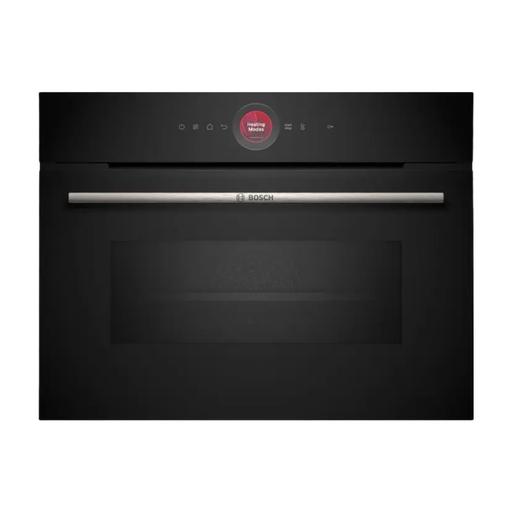 No image available
A built-in combination oven for anyone who wants a microwave function as well as an oven. Check that it has the settings you need for your recipe.
According to the product name: 45 litres, a microwave output of 900 W, a TFT display and Home Connect.
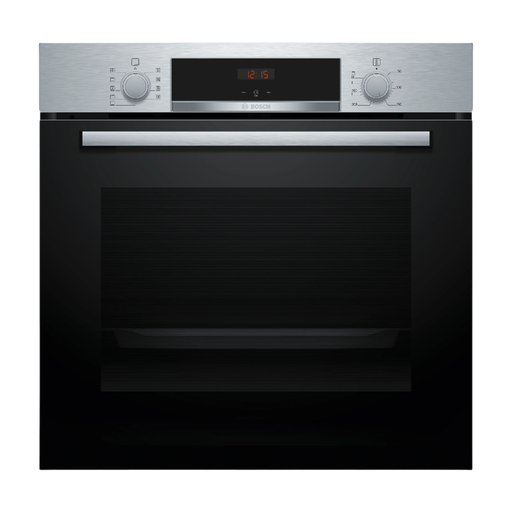 No image available
According to Bosch, this built-in oven has top and bottom heat and 3D Hotair. Bosch says it can be used on up to three shelf levels. Measure your tins, as this doesn’t guarantee that several pear cakes will fit at once.
According to the product name: 71 litres and a maximum temperature of 275 °C. Bosch also lists hydrolytic cleaning assistance.
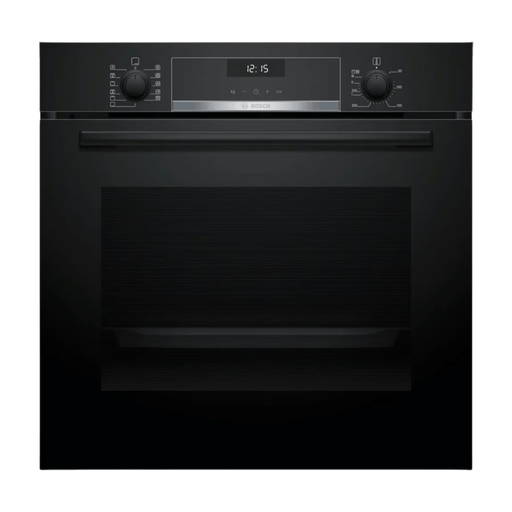 No image available
A built-in option for a suitable space. Check which oven settings are available and whether they suit your recipe.
According to the product name: 60 cm wide, 71 litres, Air Fry and EcoClean Direct.
Follow the setting and temperature in your recipe and the oven manual. Bosch Netherlands suggests reducing the temperature by 20 °C as a rule of thumb when switching from top and bottom heat to a fan setting. This isn’t a fixed setting for every cake. Check that the cake is cooked through, too.
No, the stated capacity alone doesn’t guarantee that. The Consumers’ Association recommends comparing the internal dimensions with your own tin. Also check which shelf positions are suitable and what supports are included.
Follow the model-specific placement and cleaning instructions. The manual for the Inventum OV607B warns that accessible parts can get hot and says to use oven gloves when putting food in or taking it out.
The requirements depend on the business’s actual activities. The NVWA says registration may be required for a food business that prepares food or supplies it to consumers. Businesses offering food to consumers must provide information about any allergens it contains. The NVWA also says that businesses preparing, processing or selling food need an HACCP food safety plan or an applicable hygiene code.