
Baking several cakes
If you’re planning batches of baking for a sale, consider usable space, shelf levels and fan-assisted cooking. The Consumentenbond identifies fan-assisted cooking as an option when you’re cooking dishes on different levels.


If you’re baking several cakes or want to use different cake tins, choose an oven with suitable internal dimensions and check the settings on the exact model. For one cake when you don’t have a built-in oven space, a freestanding oven may be more practical. Choose a combination microwave mainly if you also need the microwave function and its oven function is suitable for your cake tin.
If you’re planning batches of baking for a sale, consider usable space, shelf levels and fan-assisted cooking. The Consumentenbond identifies fan-assisted cooking as an option when you’re cooking dishes on different levels.
You’ll need a freestanding oven for a cake tin, and should consider the space available on your worktop and the connection requirements for the appliance you choose.
You want to warm up food as well as bake cakes. The Consumentenbond recommends assessing the oven function of a combination microwave separately.
Choose this option if: you have a suitable built-in space and want to plan several cakes or cake tins. Measure the usable internal space: the capacity in litres won’t tell you whether your tins will fit.
Bear in mind: the size of the space, ventilation clearance and the connection requirements for the exact model.
Choose this option if: you don’t have a built-in oven space and want a freestanding oven for one cake or smaller batches.
Bear in mind: the space on your worktop and the clearance around the appliance. Heat needs room to escape.
Choose this option if: you also want a microwave and the oven function and internal space are suitable for your cake tin.
Bear in mind: combination microwaves sometimes lack bottom heat or different shelf positions. The Consumentenbond therefore recommends checking the functions on the exact model.
The Consumentenbond recommends conventional top and bottom heat for cake. Also follow the temperature and baking time in your recipe and the oven’s manual.
| What to consider | What should you check? | Who should pay particular attention? |
|---|---|---|
| Oven space and baking batches | Measure your largest cake tin and check the internal dimensions, shelf levels and included trays. | If I’m planning several cakes, I want to know whether my tins will actually fit and how I can organise the batches. Around 34% of shoppers prioritising capacity for baking several cakes fall into this category. |
| Oven setting for cake | Check conventional top and bottom heat, fan-assisted cooking and shelf positions on the exact model. | If I’m mainly looking for a suitable setting for my recipe, I’ll check which heating methods the oven offers. Around 33% of shoppers put a suitable cake-baking setting first. |
| Positioning and connection | Measure the built-in space or worktop area and check the ventilation and connection requirements. | If I don’t have a suitable built-in space or worktop area, the space available will determine which oven setup is practical. Positioning and connection are the main priority for around 20% of shoppers. |
| Energy use | Compare electricity consumption per use or per year on a like-for-like basis, as Milieu Centraal recommends. | If I only bake occasionally, I want to weigh up energy use alongside the oven space I need. Around 13% of shoppers put running costs first. |
The usable oven space may be smaller than the stated capacity, so your cake tin or several tins may not fit as you’d planned.
Measure your tin and check the internal dimensions and shelf positions on the exact model.
If your tin doesn’t fit, you may need to bake in an extra batch or use a different tin.
Some combination microwaves lack bottom heat or different shelf positions.
Compare the oven functions and check that your cake tin will fit. Don’t rely on the word ‘combination’ alone.
You should also think about storing and serving cakes safely and hygienically, and providing information about allergens. The NVWA outlines these considerations for selling food at events.
Agree with the school who will serve the cake and how buyers can access information about ingredients and allergens.
The OM316MZ built-in oven is designed for anyone looking for plenty of baking space and multiple shelf levels.
According to Siemens, the HB776G1B1 built-in oven offers conventional heat and fan-assisted cooking.
The freestanding TEO4500B is worth comparing if you don’t have a built-in oven space.
The HSG7361B1 built-in oven is worth considering if you’d also use full steam cooking for other purposes.
This Joybuy selection includes built-in ovens, freestanding ovens and a combination microwave to compare for baking cakes. For each model, check the internal space, oven settings and installation requirements to make sure they suit your needs.
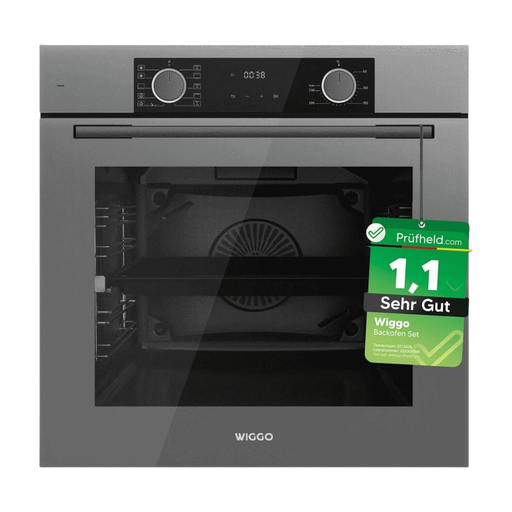 No image available
An option to compare if you’re looking for a built-in oven. Check that its settings and internal dimensions suit your cake tin.
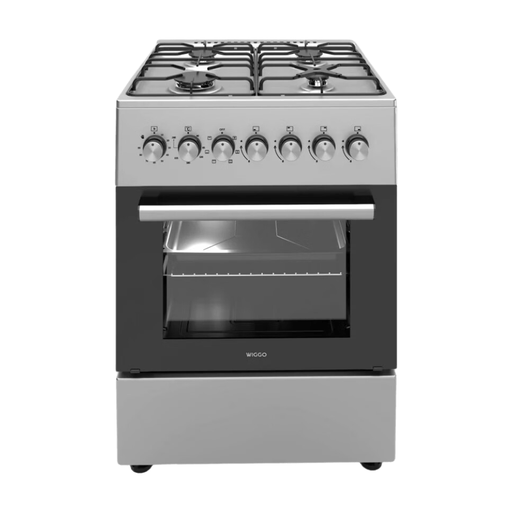 No image available
Worth comparing if you’re looking for a freestanding oven and have a gas connection available.
According to the product information, installation and connection to the gas supply must be carried out by a professional installer. Good ventilation is required.
 No image available
A freestanding model to compare if you don’t have a built-in oven space. Keep the ventilation openings clear during use.
The product name states 65L and 2000W. Check the internal dimensions and oven settings for your cake tin.
 No image available
Worth comparing if you want a microwave as well as an oven function. Check that the oven function and internal space are suitable for your cake tin.
The product name lists grill and fan-assisted cooking functions, and a capacity of 20L. Ensure there’s enough ventilation, especially if you’re installing it in a cupboard using a bracket.
 No image available
An option to compare if you’re looking for a built-in oven for baking batches. Check the built-in space, internal dimensions and settings to suit your baking plans.
The product name states 71 L and 3D Hot Air. According to the product information, professional installation is required and the power rating is 3400 W.
The Consumentenbond specifically recommends conventional top and bottom heat for cake. Fan-assisted cooking is mainly worth considering when you’re cooking dishes on different levels. Follow your recipe and your oven’s manual for the temperature and baking time.
Yes, if the model has a suitable oven function and your cake tin fits. The Consumentenbond points out that some combination microwaves lack bottom heat or different shelf positions, so check the functions on the exact model.
Measure the built-in space or worktop area and check the connection and ventilation requirements for the exact model. Make sure heat can escape, and clean the oven according to the manual; self-cleaning functions vary by model.
The NVWA says that food sold at markets and events must be prepared, stored and sold safely and hygienically, including when sold by private individuals. For unpackaged cakes, information about allergens present must be available. The NVWA says a HACCP food safety plan is required for anyone who prepares and sells food several times a year; this doesn’t mean that the same plan is required for every one-off school bake sale.
You don’t need an extended warranty to benefit from your statutory rights. ACM ConsuWijzer explains that statutory rights apply alongside any retailer’s or manufacturer’s warranty. If a product is faulty, the retailer is responsible for providing a solution under the applicable terms.