
Host with a large oven dish
You want to bake one large lentil dish for several guests. Measure your dish and check the usable internal dimensions: Consumentenbond recommends checking that your largest oven dish will fit in the oven.


First, measure your largest oven dish and compare its external dimensions with the oven’s usable interior space and shelf height; capacity in litres alone won’t tell you whether the dish will fit. A built-in oven is right for a suitable housing unit and when you need oven space, while a freestanding model suits a suitable spot without a housing unit. Choose a combination microwave if you also need a microwave function. If you’re cooking the dish in advance and reheating it later, check that the centre is piping hot all the way through.
You want to bake one large lentil dish for several guests. Measure your dish and check the usable internal dimensions: Consumentenbond recommends checking that your largest oven dish will fit in the oven.
You prepare the dish in advance and, when reheating it, consider both the oven settings and whether the filling is piping hot all the way through. Voedingscentrum recommends reheating leftovers until piping hot.
You’re looking for an oven for this meal, but the available kitchen space determines whether a freestanding model will fit. Also allow enough space for heat to escape, as Brandweer Nederland recommends.
A good fit if: you have a suitable housing unit and need space for a large dish or several things to cook at once.
Bear in mind: the housing unit, installation and ventilation; check your dish’s dimensions against the specific model.
A good fit if: you don’t have a suitable built-in housing unit but do have a suitable spot for a freestanding oven.
Bear in mind: the available worktop space, ventilation and connection; check the dish dimensions and the model’s manual.
A good fit if: you want one appliance for both microwave use and oven cooking.
Bear in mind: the oven capacity and available settings. Consumentenbond notes that combination microwaves often have fewer shelf positions and no bottom heat, so check the specific model.
| What to consider | What should you check? | Who should pay particular attention? |
|---|---|---|
| Will the oven dish fit? | Measure the dish’s width, depth and height, including the handles. Compare these with the usable internal dimensions, shelf height and clearance below the grill element. | When I’m cooking for family, I want to know whether my dish will fit rather than relying on the capacity in litres alone. An estimated 36% of consumers prioritise making sure their dish will fit. |
| Baking and reheating | Check which settings are available, such as top and bottom heat, fan oven and, where applicable, grill. When reheating, check the centre of the dish too. | I want to bake the potato topping and, when reheating a dish prepared in advance, heat the filling all the way through. An estimated 29% of consumers prioritise baking and reheating performance. |
| Will the oven type suit your kitchen? | Measure the housing unit or the space for a freestanding appliance. Check the required ventilation clearance and the installation and connection instructions. | If your kitchen doesn’t have a suitable housing unit, the available space will determine which type of oven is practical. An estimated 21% of consumers prioritise where the oven will go in their kitchen. |
| Energy use and cleaning | Where applicable, compare energy use per cycle using the same setting and check the model’s cleaning method. | I also consider how I’ll use the oven after the family gathering and what maintenance it needs. An estimated 14% of consumers prioritise energy use and cleaning. |
Parts inside the oven can reduce the usable space. The width and clearance above the shelf are especially important when checking whether your dish will fit.
Measure your dish, including the handles, and compare its dimensions with the interior space and shelf height of the exact model.
If the dish doesn’t fit, you may need another dish or to cook in batches.
A combination microwave may have a differently arranged oven cavity and different cooking settings. Consumentenbond notes that combination microwaves often lack bottom heat or multiple shelf positions.
Compare the available settings, usable space and how your dish will fit in the specific model.
An unsuitable setting or limited space may mean you need to adapt your cooking method.
When reheating a large dish prepared in advance, the centre may not yet be piping hot all the way through.
Check the centre too. Voedingscentrum recommends reheating leftovers until piping hot and not leaving them out of the fridge for more than two hours.
The label rating alone doesn’t tell you what energy use to expect for the same cooking task. Milieu Centraal points out that a small A+ oven may use less energy than a large A+++ oven.
Where applicable, compare energy use per cycle using the same setting and read the model’s cleaning instructions.
Bosch Netherlands lists built-in ovens such as the Serie 4 HBA534BB3, with fan oven and top and bottom heat.
The Siemens iQ300 HB534AER3 is a built-in model worth comparing if easy access to the shelves is important to you.
The Inventum OV607B is a freestanding oven worth comparing if you don’t have a suitable built-in housing unit.
The AEG NKO7N721B is a combination microwave with a fan oven, for anyone looking to combine oven and microwave use.
The Forneby 105.568.95 is a built-in option with a fan oven and steam function to compare with other types of oven.
These models include freestanding ovens, built-in ovens and a combination microwave for anyone looking to combine oven and microwave use. Check the dish dimensions, oven space and installation requirements for each model.
 No image available
A freestanding model worth comparing if you don’t have a built-in housing unit.
The product information lists a capacity of 65 litres, six cooking functions, a timer and an enamel interior. The exterior can get hot; keep ventilation openings clear and follow the safety instructions.
 No image available
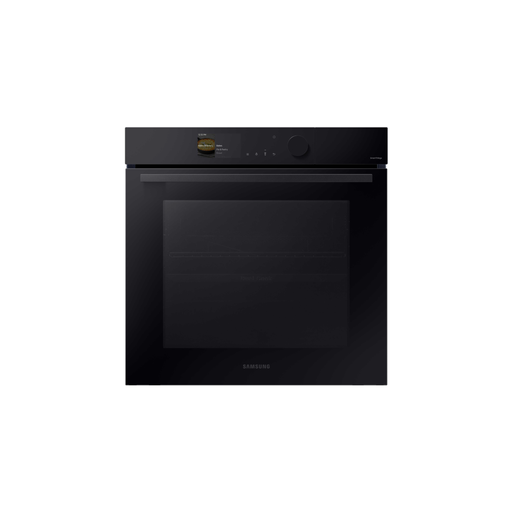
A built-in model worth comparing if you’re considering an oven with two cooking zones.
The product information lists a capacity of 76 litres and Dual Cook technology, with two oven zones that can work separately or together. Check the housing unit and dish dimensions for your kitchen.
 No image available
A built-in oven worth comparing if you want to use several shelf levels.
Bosch lists this model as having a capacity of 71 litres and 3D hot air for up to three shelf levels. Measure your oven dish and check the housing unit before making your choice.
 No image available
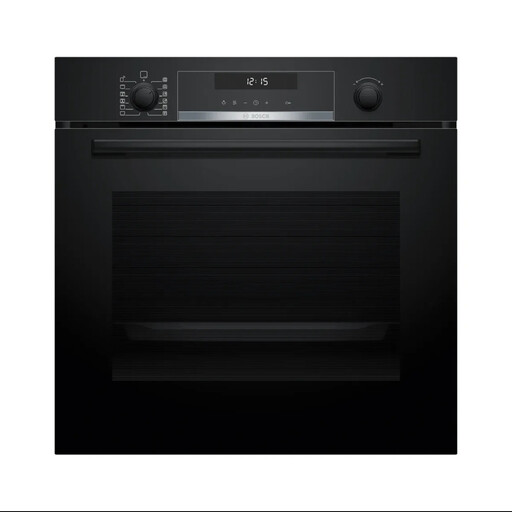
A built-in model worth comparing if you’re looking for an oven with several heating settings.
The product information lists a capacity of 71 litres, fan oven, top and bottom heat, grill and pyrolytic cleaning. Check the dimensions of the oven cavity, dish and housing unit to make sure they suit your setup.
 No image available
A compact combination microwave worth comparing if you also need a microwave function.
The product information lists a capacity of 20 litres, a 270 mm turntable and microwave, grill and fan oven functions. Its limited space means this isn’t a spacious oven; check whether your oven dish will fit.
Measure the outside of the dish, including the handles, and compare its dimensions with the usable interior space and shelf height. Don’t rely on the stated capacity in litres alone.
Yes, but store the dish carefully and, when serving, reheat leftovers all the way through until piping hot. Voedingscentrum recommends not leaving cooked leftovers out of the fridge for more than two hours; if you’re reheating a large dish, check the centre too.
Follow the installation instructions for your chosen model and allow for heat to escape. Brandweer Nederland recommends allowing space for ventilation and warns against using cable reels or extension leads carelessly with high-power appliances. Refer to the specific model’s instructions for cleaning.
No. The European Commission describes exceptions to the energy labelling rules for household ovens, including appliances with microwave heating and small ovens. Check which rules apply to the exact appliance. For labelled ovens, compare energy use per cycle using the same setting.
No. According to ACM ConsuWijzer, your statutory warranty is separate from any manufacturer’s or retailer’s guarantee. If the product doesn’t meet what you could reasonably expect, ask the retailer for a suitable solution; the circumstances will determine what is appropriate.